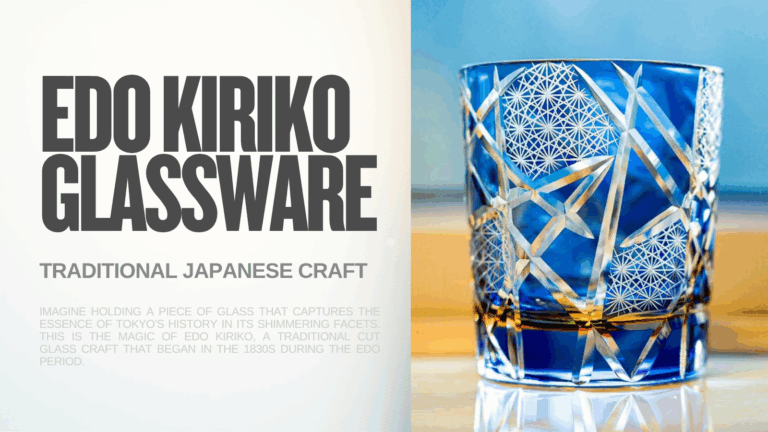
Edo Kiriko(エドキリコ), which translates to “Edo cut glass,” is a dazzling traditional Japanese craft known for its intricate geometric patterns and brilliant play of light. More than just glassware, each piece is a testament to centuries of artisan skill, where glass is transformed into a shimmering work of art. This craft, born in the bustling streets of old Tokyo, has evolved from a luxury for the wealthy to a cherished symbol of Japanese aesthetics, admired worldwide for its beauty and precision. For international collectors and enthusiasts, acquiring these delicate pieces has been made easier through Japanese proxy shopping services, which bridge the gap between exclusive workshops in Tokyo and a global audience.
This article will guide you through the fascinating history of Edo Kiriko, its modern applications, and how you can bring these exquisite items into your home, no matter where you are in the world.
A Glimpse into History: From Edo Period Innovation to Global Acclaim
The story of Edo Kiriko begins in 1834, during the late Edo period, in the city of Edo (modern-day Tokyo). A glass shop owner named Kagaya Kyūbei had a groundbreaking idea: to use emery wheels to engrave beautiful patterns onto the surface of glass, a technique inspired by European cut glass he encountered. This innovation marked the birth of a uniquely Japanese craft.
The early designs were simple geometric and lattice patterns, but they quickly captured the hearts of Edo’s residents, from commoners to samurai. The craft’s true evolution, however, occurred during the Meiji period (1868-1912). As Japan opened its doors to the world, the government invited skilled foreign engineers, like the British engineer Emanuel Houptman, who introduced more advanced Western cutting techniques to a dozen Japanese artisans. Instead of merely copying Western styles, these artisans masterfully blended the new techniques with a distinct Japanese sensibility. They began incorporating traditional motifs like asanoha(hemp leaf, symbolizing growth), kikutunagi(chrysanthemum chain, representing longevity), and yarai(fence pattern, believed to ward off evil) into their designs.
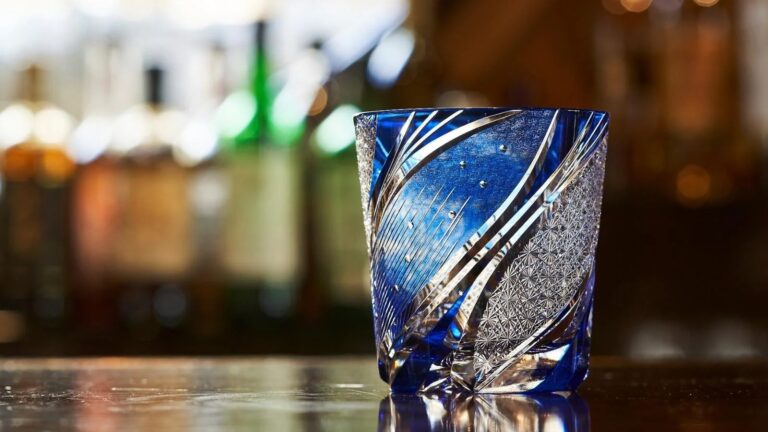 Another significant development was the mastery of color-coated glass. Artisans learned to create glass with a thin outer layer of color—such as a vibrant red or deep blue—over a transparent core. By carefully cutting through this colored layer, they revealed the clear glass beneath, creating a stunning contrast that made the patterns sparkle with even greater intensity. This harmonious blend of Western technique and Japanese design ethos is the very soul of Edo Kiriko, a craft that was designated a Traditional Craft by the Tokyo Metropolitan Government in 1985 and by the Japanese national government in 2004, cementing its status as a vital part of Japan’s cultural heritage.
The Artisan’s Touch: How Edo Kiriko is Made
The creation of a single piece of Edo Kiriko is a labor of love and precision that can take an artisan over a week to complete. It is a process reliant entirely on human skill, with no room for mechanical mass-production. Mastering this craft is said to take between seven to eight years, and there are only a handful of master artisans left, perhaps as few as 17, making each piece exceptionally valuable.
The process follows several meticulous stages:
-
Glassblowing and Color Layering:It starts with a glassblower shaping the base form, often using a technique called “hand-blown glass.” For colored pieces, the artisan creates a double-layered structure by overlaying clear glass with a thin coat of colored glass.
-
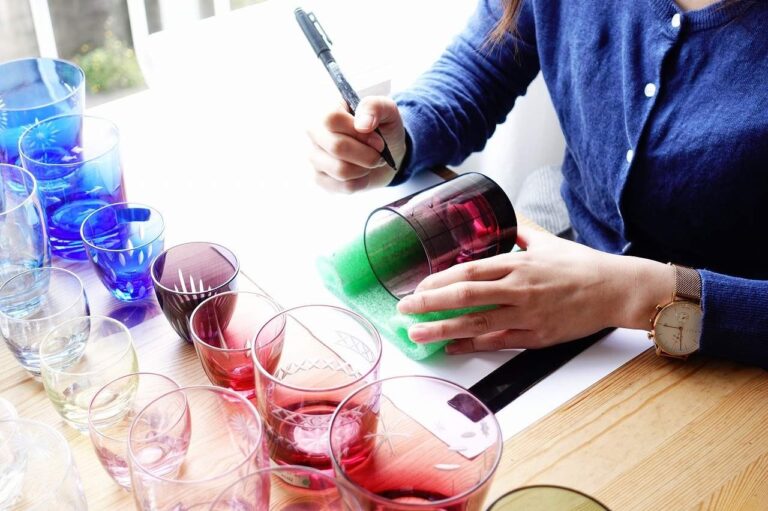
Grading (Pattern Layout):The artisan draws precise guidelines directly onto the glass surface using a grading device. This step, crucial for the pattern’s symmetry, is done entirely by hand and eye, without the use of pre-drawn stencils.
-
Rough and Fine Carving:Using a series of grinding wheels, including diamond-edged tools, the artisan begins cutting the pattern. This is where years of experience come into play. The artisan visualizes the final design and cuts into the glass, controlling the depth and angle of each cut with millimeter precision. A single mistake at this stage can ruin the entire piece.
-
Polishing:After carving, the glass has a rough, frosted appearance. The final step is polishing, which involves using progressively finer abrasives to smooth the cut surfaces until they achieve the signature crystal-clear sparkle that defines high-quality Edo Kiriko.
Why Edo Kiriko Represents the Best of Japanese Craftsmanship
Edo Kiriko embodies everything that makes Japanese traditional crafts so special: centuries of technical refinement, symbolic depth, adaptability to modern life, and uncompromising quality standards. Each piece represents not just beautiful functionality but a living tradition that continues to evolve while honoring its origins. The way light dances through the precisely cut patterns, the comfortable weight of quality glass in your hand, the knowledge that human hands guided every cut – these experiences connect us to Tokyo’s artisanal heritage in ways that mass-produced items never can.
In our increasingly digital and disposable world, Edo Kiriko offers a meaningful alternative: objects designed to be used daily while growing more precious with time. A well-cared-for Edo Kiriko glass can become a family heirloom, carrying stories across generations. This combination of beauty, functionality, and longevity represents the true value of Japanese craftsmanship.
Edo Kiriko in the Modern World: A Fusion of Tradition and Contemporary Style
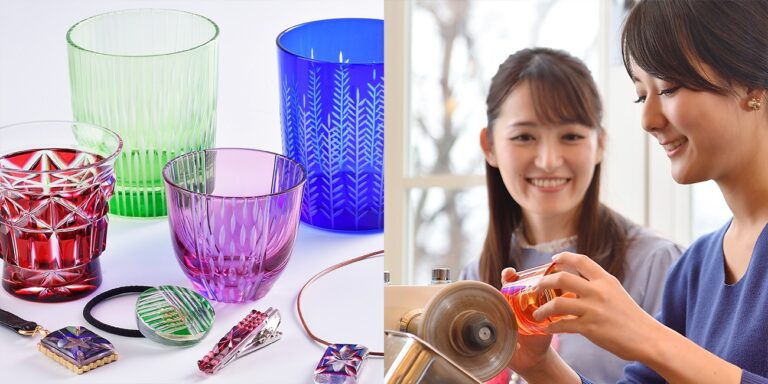
While honoring traditional patterns, Edo Kiriko has dynamically adapted to modern life. Today’s artisans are creating new designs and color variations that resonate with contemporary tastes, ensuring the craft remains relevant and vibrant.
You can find Edo Kiriko craftsmanship in a wide array of products:
-
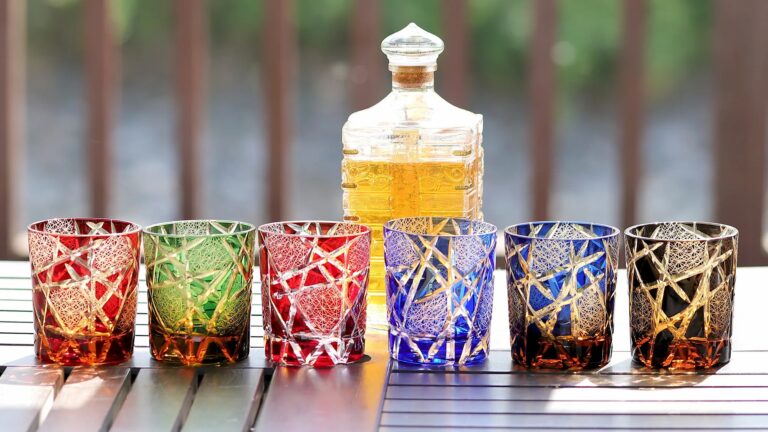
Whisky and Cocktail Glasses: Perhaps the most popular modern application. The intricate cuts refract light beautifully, enhancing the color of the whisky. The glass’s weight and the tactile experience of the hand-cut patterns elevate the drinking ritual into a multi-sensory experience.
-
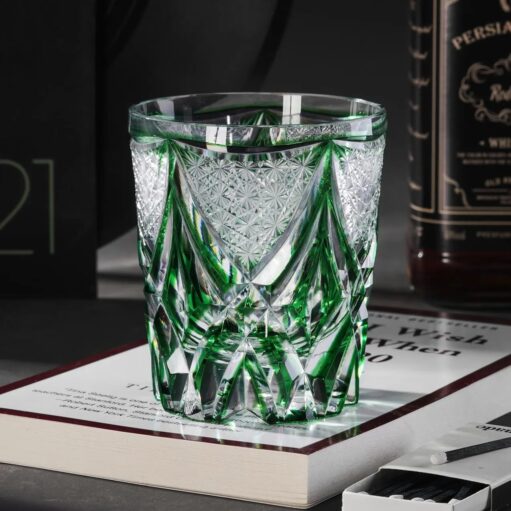
The Green Flame Whiskey Glass: A stunning example of modern innovation, this glass features an emerald green overlay cut with a pattern that mimics flickering flames, symbolizing energy and life.
-
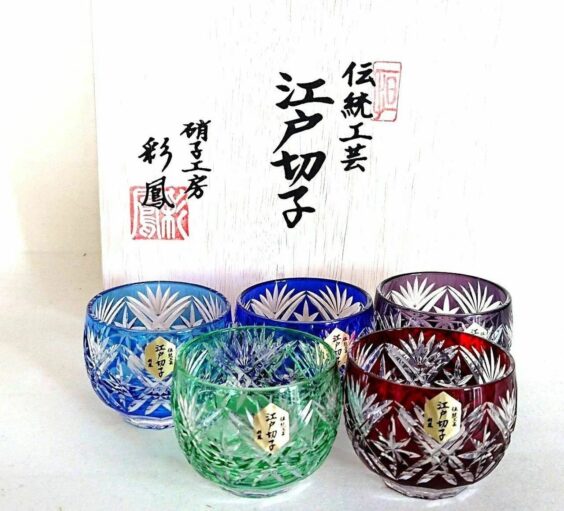
Sake Cups (Ochoko) and Tumblers: Traditional sake cups remain a staple, perfect for enjoying sake, while tumblers are versatile for water, juice, or other beverages.
-
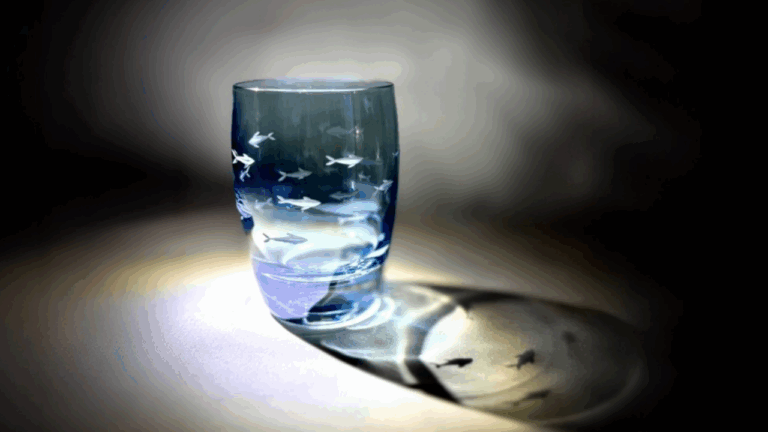
Vases and Decorative Items: Beyond drinkware, Edo Kiriko techniques are used to create breathtaking vases and ornamental pieces that serve as striking interior decor, playing with light to create a serene ambiance in any room.
-
Collaborations and Limited Editions: Some artisans collaborate with modern designers or create pieces commemorating landmarks. For example, there are Edo Kiriko glasses with patterns symbolizing the Tokyo Skytree, blending traditional craft with contemporary iconography.
Where to Buy Edo Kiriko: From Tokyo’s Specialty Shops to Your Doorstep
If you are visiting Tokyo, there are incredible specialty shops where you can witness the craft firsthand:
-
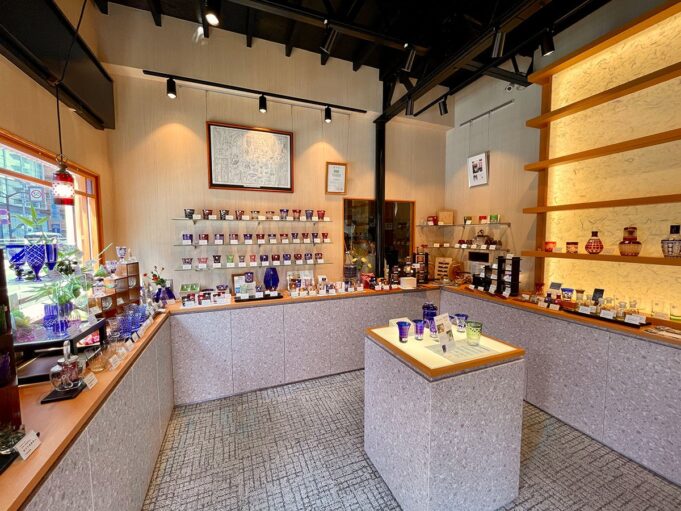
Sumida Edo Kiriko Kan:Located in Sumida Ward, this shop displays over 350 types of Edo Kiriko. A unique feature is the viewing window where you can watch artisans at work. They also offer a popular Edo Kiriko-making experience for visitors who want to try their hand at glass cutting.
-
Shinohara Maruyoshi:A renowned shop in the Ueno district specializing in handcrafted Edo Kiriko. Here, you can find everything from small sake cups starting around ¥5,000 to large decorative pieces costing ¥50,000 or more.
For those who cannot travel to Japan, acquiring authentic Edo Kiriko used to be a challenge. This is where the convenience of Japanese proxy services changes the game. Platforms like Rakufun act as your personal shopper in Japan, providing seamless Japan shopping worldwide.
Rakufun is a fee-free proxy shopping app that gives you direct access to popular Japanese online marketplaces like Mercari, JDirectItems Auctions, and Surugaya. Its built-in translation feature breaks down language barriers, allowing you to browse and purchase from international sellers with ease. For a unique and delicate craft like Edo Kiriko, which often has limited editions and rare vintage pieces circulating on these platforms, using a reliable proxy for Japanese goods is invaluable.
A Note on Care: Preserving Your Fragile Treasure
Edo Kiriko glassware, as a handcrafted and often lead-crystal product, requires gentle care to maintain its brilliance for generations. Being an easily broken item, handling it with attention is key.
-
Always Hand Wash:Use warm water and a mild detergent. Avoid dishwashers, as the harsh detergents and high temperatures can dull the delicate glass and damage the intricate cuts over time.
-
Avoid Abrasives and Extreme Temperatures:Use a soft cloth or sponge. Do not subject the glass to sudden temperature changes, like pouring hot liquid into a cold glass, to prevent cracking.
-
Storage is Key:Store your Edo Kiriko glasses upright and, most importantly, do not stack them. The intricate cut patterns and rims can easily chip if they knock against each other. If possible, store them individually or with a soft cloth between them.

Conclusion: More Than a Glass, a Piece of Heritage
Edo Kiriko is more than just functional tableware; it is a piece of Japanese cultural heritage, a symbol of dedication, and an art form that captures light and history in its facets. Whether you are a whisky connoisseur, a collector of fine crafts, or someone who appreciates beauty in everyday objects, owning an Edo Kiriko piece is a special experience.
With the advent of Japanese proxy shopping platforms like Rakufun, the distance between you and these exquisite handmade items has never been shorter. You can now explore a vast and unique selection of Edo Kiriko glassware from the comfort of your home, making it easier than ever to own a fragment of Japanese tradition. So, embark on your search, find the pattern that speaks to you, and enjoy the unparalleled beauty of this timeless craft.
Rakufun simplifies Japanese proxy shopping and global shipping, your all-in-one app for a seamless, fee-free experience:https://blog.rakufun.com/?p=10003