
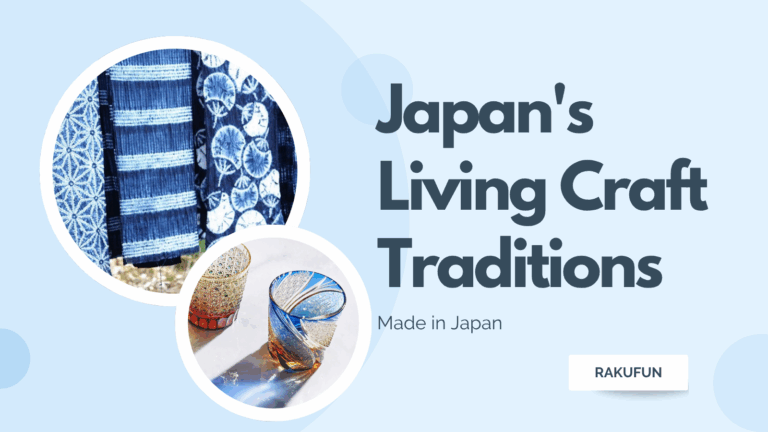
More Than Just a Label: What “Made in Japan” Really Means
When you see the “Made in Japan” label on a product, you’re encountering more than just a manufacturing origin – you’re witnessing centuries of cultural heritage and uncompromising quality standards. Unlike mass-produced items, true Japanese craftsmanship represents a perfect marriage between traditional techniques and contemporary design sensibilities. This is particularly evident in Japan’s traditional crafts like indigo dyeing, where every piece tells a story of cultural preservation and artistic dedication. The growing interest in authentic Japanese traditional crafts among international collectors has made reliable access to these items increasingly valuable for those who appreciate genuine artistry.
The Living Art of Japanese Indigo Dyeing
Japanese indigo dyeing, known as “aizome,” boasts a history spanning over 800 years, yet it remains remarkably relevant in today’s world of sustainable fashion and artisanal products. What makes Japanese indigo truly special isn’t just its beautiful blue hues, but the incredible complexity behind creating them. The process begins with the persicaria tinctoria plant, which undergoes a meticulous fermentation process that can take up to three months. Master dyers then carefully manage the dye vats, maintaining precise temperature and oxygen levels to ensure the perfect shade develops.
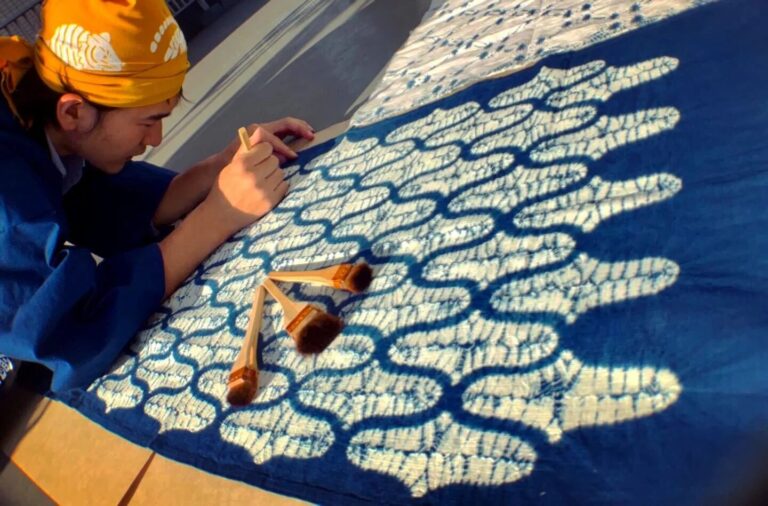
The magic of indigo reveals itself during the dyeing process itself. When fabric is dipped into the indigo vat, it emerges not in the deep blue we recognize, but in a yellowish-green color. Only through exposure to oxygen does the transformation occur, with the fabric gradually turning blue with each successive dip. This fascinating chemical reaction, combined with the dyer’s skill in creating various patterns through shibori techniques, makes every piece uniquely beautiful. The depth of color achieved through multiple dippings – sometimes up to thirty times for the darkest shades – creates a richness that synthetic dyes cannot replicate.
Why Japanese Craftsmanship Stands the Test of Time
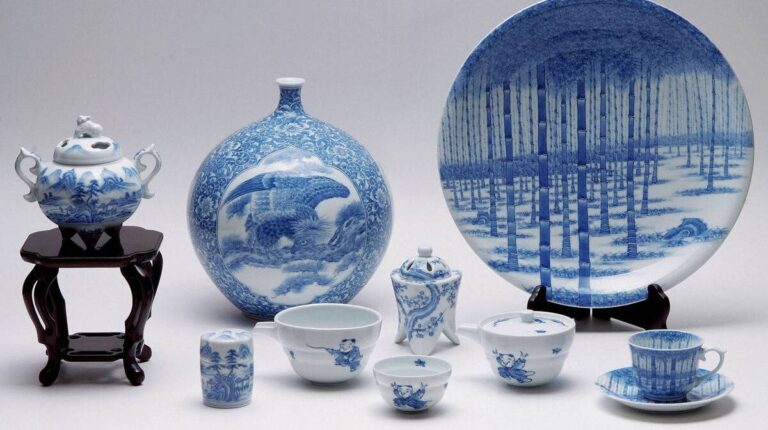
The enduring appeal of Japanese traditional crafts lies in what the Japanese call “monozukuri” – the art of making things with exceptional care and precision. This philosophy extends beyond indigo dyeing to other renowned crafts like Arita porcelain and Edo kiriko glassware. Each represents a perfect storm of geographical advantages, generational knowledge transfer, and relentless pursuit of perfection.
In an age of disposable consumer goods, these traditional crafts offer something increasingly rare: objects designed to last generations and improve with age. A quality indigo-dyed handkerchief, for instance, develops a unique patina and softness over years of use, becoming more beautiful with time. This contrasts sharply with fast fashion items that lose their appeal after a few washes. The sustainable nature of these crafts, using natural materials and time-tested techniques, adds to their contemporary relevance in our environmentally conscious era.
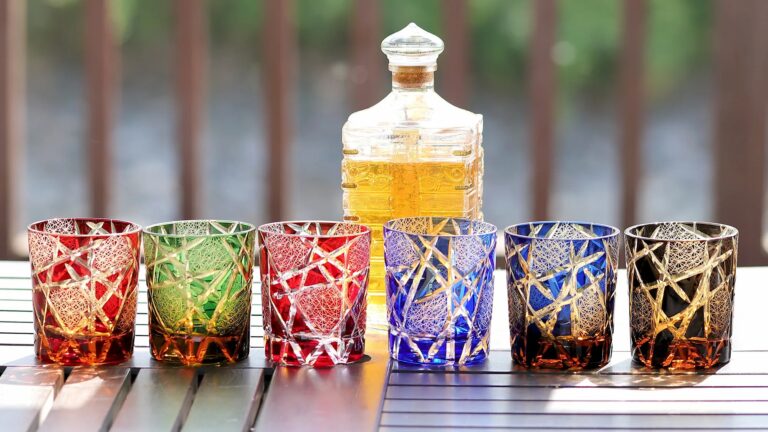
Master Artisans and Their Signature Styles
Japan’s craft traditions survive through dedicated artisans who often spend decades mastering their trade. In the world of indigo dyeing, workshops like those in Tokushima Prefecture – the historical heart of Japanese indigo production – continue methods largely unchanged for centuries. Similarly, Arita porcelain masters in Saga Prefecture maintain techniques developed in the early Edo period, creating pieces celebrated for their delicate beauty and durability.
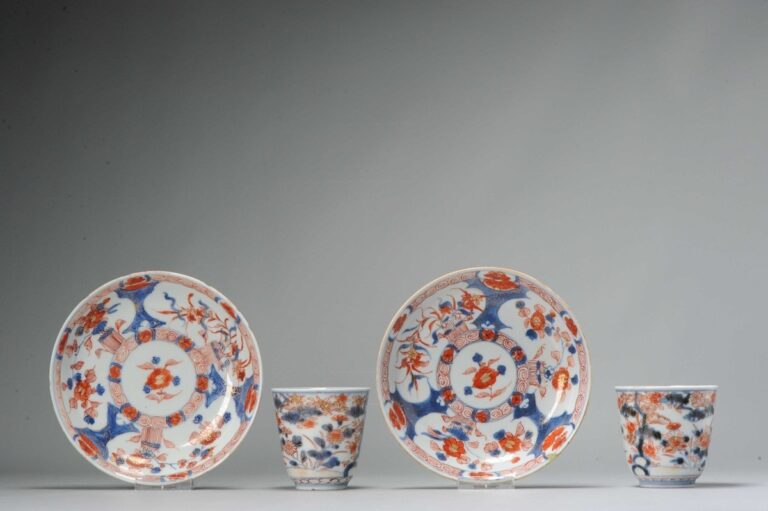
These artisans represent the living embodiment of “shokunin kishitsu” – the craftsman’s spirit that combines technical excellence with artistic sensibility. Their creations aren’t merely products but expressions of cultural continuity. From the precise hand-movements of a shibori artist creating intricate patterns to the steady hand of a porcelain painter applying delicate designs, every action reflects years of disciplined practice and deep respect for the craft.
From Traditional Craft to Modern Lifestyle
While deeply rooted in tradition, Japanese crafts have successfully adapted to contemporary life. The indigo-dyed handkerchief, for instance, has evolved from a practical item for farmers to a versatile fashion accessory and lifestyle product. Modern Japanese designers have found innovative ways to incorporate traditional crafts into everyday items, creating pieces that honor heritage while serving contemporary needs.
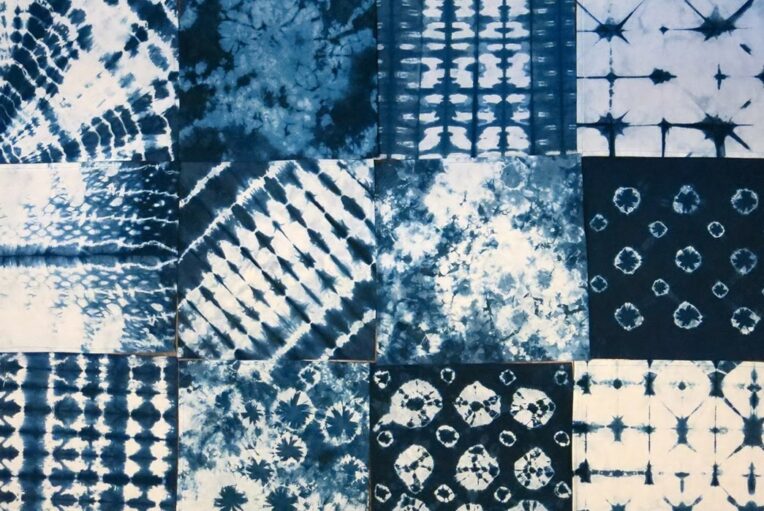
This successful blending of old and new demonstrates the dynamic nature of Japanese craftsmanship. Rather than being preserved as museum pieces, these traditions continue to evolve, finding new expressions and applications that keep them relevant in modern life. The indigo-dyed handkerchief, for instance, might feature traditional patterns but in sizes and designs suited for contemporary fashion, proving that true craftsmanship transcends time and trends.
Building Your Collection of Japanese Crafts
For those interested in owning authentic Japanese traditional crafts, understanding how to identify quality pieces is essential. Genuine indigo dyeing, for instance, displays subtle variations in color that mass-produced items lack. The texture of the fabric, the precision of the patterns, and the way the color interacts with light all provide clues to authenticity and quality.

When building a collection of Japanese crafts, it’s valuable to learn about the different regional variations and techniques. In indigo dyeing alone, there are numerous distinct styles from various parts of Japan, each with its own characteristics and history. Similarly, Arita porcelain encompasses multiple traditional styles and contemporary interpretations, offering collectors diverse options to explore and appreciate.
Your Gateway to Authentic Japanese Craftsmanship
For international enthusiasts seeking genuine Japanese traditional crafts, accessing these items directly from Japan can present challenges. This is where Rakufun provides an invaluable service, connecting global admirers with authentic Japanese craftsmanship. Through Rakufun, you can access items from renowned workshops and artisans that typically don’t ship internationally, ensuring you receive genuine products directly from their source.
The platform offers careful handling of these precious items, proper authentication, and secure international shipping. Whether you’re seeking a perfectly crafted indigo handkerchief, a set of Arita porcelain tableware, or any other traditional Japanese craft, Rakufun provides the bridge between international appreciation and authentic Japanese artistry.
The Lasting Value of Japanese Craftsmanship
In our rapidly changing world, the enduring appeal of Japanese traditional crafts reminds us of the lasting value of quality, heritage, and human artistry. An indigo-dyed handkerchief represents more than just a beautiful object – it embodies centuries of cultural knowledge, environmental wisdom, and artistic dedication. Each fold, each pattern, each shade of blue tells a story of Japan’s rich craft traditions and the artisans who keep them alive.
As we become more conscious of consumption and sustainability, these traditional crafts offer a meaningful alternative to disposable products. They represent not just the preservation of cultural heritage, but a vision of how we might live more thoughtfully – surrounded by objects of beauty and integrity that improve with time and use. Through services that make these crafts accessible worldwide, we can all participate in keeping these precious traditions alive for future generations.
Summary
The true value of “Made in Japan” reveals itself through traditional crafts like indigo dyeing, where centuries of technique meet contemporary appreciation for sustainable, meaningful objects. From the complex process of creating natural indigo dye to the skilled hands that transform fabric into art, these crafts represent Japan’s enduring commitment to quality and beauty. For those seeking to own these pieces, platforms like Rakufun provide essential access to authentic Japanese craftsmanship, ensuring these traditions continue to find appreciation worldwide while supporting the artisans who dedicate their lives to preserving Japan’s cultural heritage.
Rakufun simplifies Japanese proxy shopping and global shipping, your all-in-one app for a seamless, fee-free experience:https://blog.rakufun.com/?p=9991