
When Tradition Meets Pop Culture: Exploring Japan’s Limited-Edition Collaborations
The Cultural Significance: Bridging Heritage and Modernity
Notable Collaborations: Where Craftsmanship Meets Imagination
-
Attack on Titan x Ukiyo-e Woodblock Prints This project merges Attack on Titan with the style of Utagawa Kuniyoshi, a 19th-century ukiyo-e master known for mythological themes. Each print depicts characters like Eren and Mikasa confronting Titans in dynamic compositions reminiscent of Kuniyoshi’s Takiyasha the Witch and the Skeleton Spectre. The prints use traditional Echizen Kizuki Bosho paper and involve a painstaking process: the painter (Ken Shiozaki) drafts the design, the carver (Shoichi Kitamura) prepares separate woodblocks for each color, and the printer (Makoto Nakayama) layers pigments by hand. Limited to 100 copies globally, these works highlight the labor-intensive nature of woodblock printing while recontextualizing a modern saga through a historical lens. 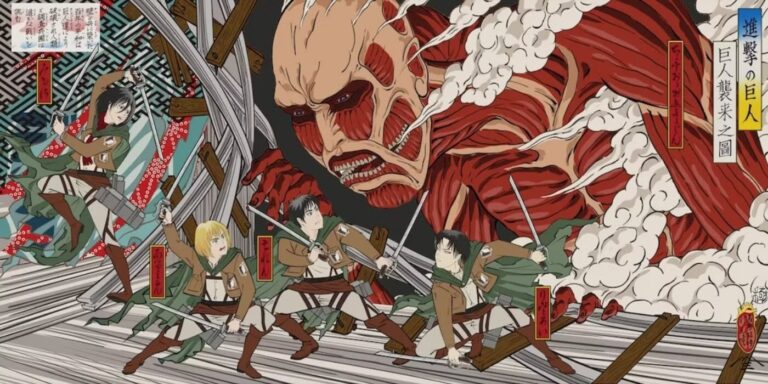
-
Pokémon x Traditional Ceramics and Lacquerware In an exhibition titled Pokémon and Crafts, artists recreated Pokémon using techniques like Shigaraki-yaki pottery and urushi lacquer. A Charizard ceramic jar, for example, was molded using tebineri(hand-pinching) methods, with its fiery tail glazed in vibrant aka-e(red enamel) . Another piece, an Unown tea caddy, features raden(mother-of-pearl inlay) against a black lacquer background, with golden Pokémon motifs evoking the luxury of Edo-period lacquer ware . These works showcase the versatility of traditional materials while appealing to Pokémon’s multi generational fandom. 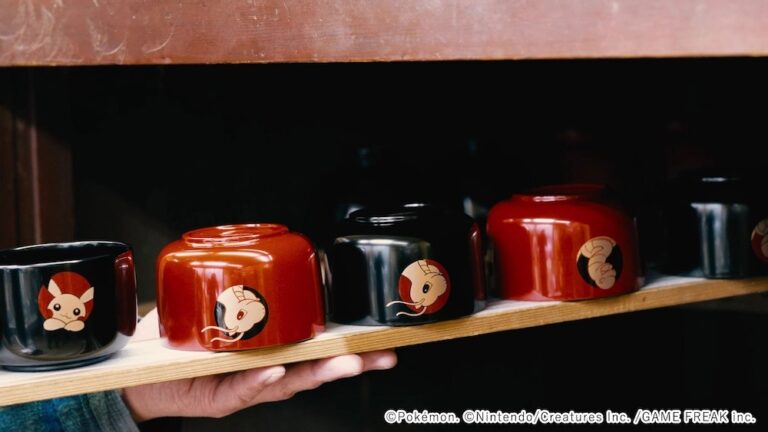
-
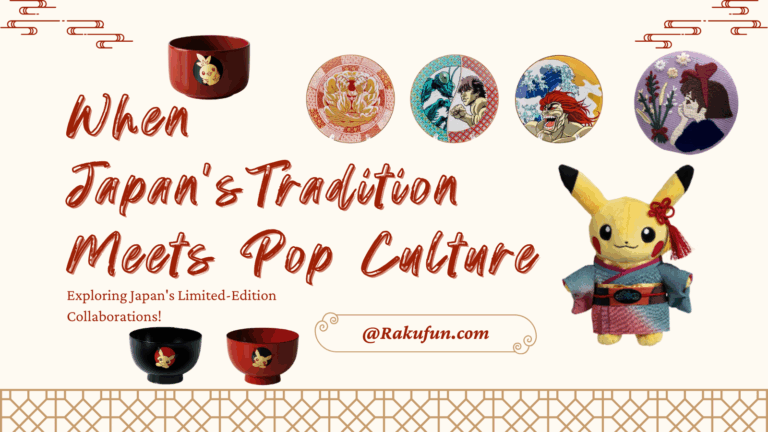
Baki x Kutani Ware Tableware The martial arts anime Baki inspired a series of Kutani-yaki plates, a porcelain style recognized as an intangible cultural property. Each plate features characters like Baki Hanmaor Yujiro Hanma painted in Kutani’s signature palette—vivid greens, blues, and yellows layered thickly to create a glass-like luster. The designs incorporate natural motifs (e.g., waves or mantises) that align with both the anime’s themes and Kutani’s traditional emphasis on nature . By transforming functional tableware into narrative art, this collaboration bridges utilitarian craft and fandom culture. 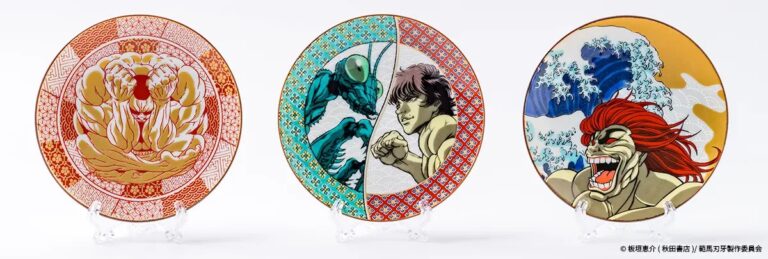
-
Studio Ghibli x Kogin Embroidery Kogin, a cotton-stitching technique from Aomori Prefecture, has been adapted to portray My Neighbor Totoro and Spirited Away characters. Artisans use geometric kogin patterns to render Totoro’s fur or No-Face’s mask, stitching onto indigo-dyed fabric for contrast. The embroidery, historically employed to reinforce clothing, now adorns pouches and frames, merging rustic charm with whimsical storytelling . Such pieces reflect kogin’s revival as a sustainable craft, appealing to enthusiasts of both Japanese textiles and animation. 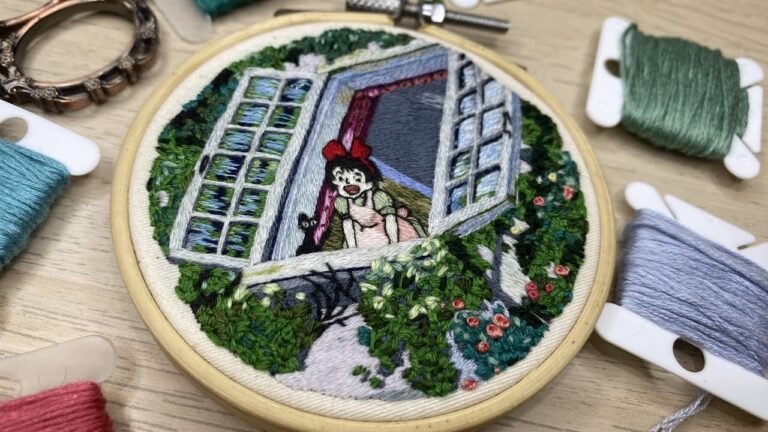
The Artisans’ Perspective: Innovation Within Tradition
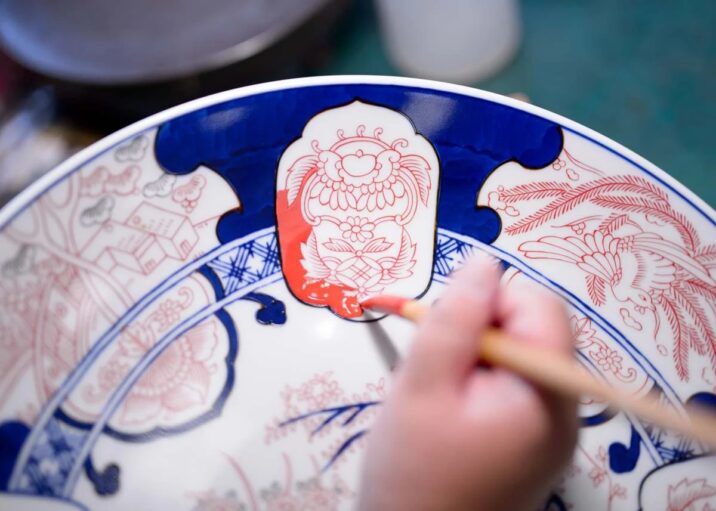
Why These Items Are So Sought After
How to Acquire These Collaborations via Rakufun
-
Direct Store Access: Rakufun partners with Japanese marketplaces (e.g., Mercari, Surugaya) and official brand stores, offering real-time inventory updates with auto-translated product details. -
Seamless Purchasing: Users browse items like Ghibli kogin embroidery or Baki plates, add them to their cart, and checkout without purchasing fees. Rakufun handles payments and domestic logistics. -
Global Shipping: Items are shipped to Rakufun’s warehouse, consolidated to reduce costs, and dispatched internationally with tracking. The platform specializes in fragile items, using protective packaging for ceramics or lacquerware.
Conclusion: Embracing Cultural Fusion Through Thoughtful Collecting
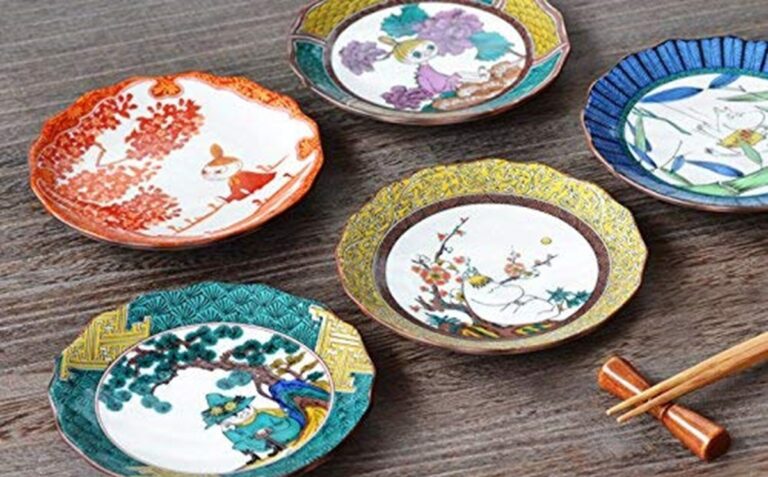
Rakufun simplifies Japanese proxy shopping and global shipping, your all-in-one app for a seamless, fee-free experience:https://blog.rakufun.com/?p=10206