
1. HOME > Fashion > Articles

What’s Yama Kei?

           
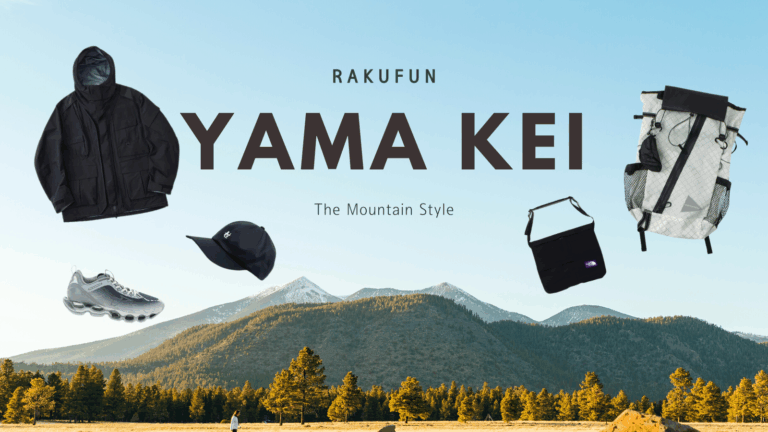
Yama Kei (山系), translated as “mountain style,” represents a distinctive Japanese subculture that seamlessly blends outdoor functionality with urban aesthetics. Originating in the early 2000s as an offshoot of Japan’s broader “Mori” (forest) fashion movement, Yama Kei has evolved into a standalone philosophy that prioritizes practicality, simplicity, and harmony with nature. Unlike technical outdoor gear designed solely for harsh environments, Yama Kei emphasizes lightweight materials, earthy tones, and versatile designs that transition effortlessly from hiking trails to city streets. This style resonates deeply in Japan, where Yama no Hi(Mountain Day) became a national holiday in 2016, reflecting the cultural reverence for mountains and outdoor life. For global enthusiasts, Yama Kei offers a refined approach to utilitarian fashion, combining performance with understated elegance.

Historical Roots: From Mori Girl to Yama Kei
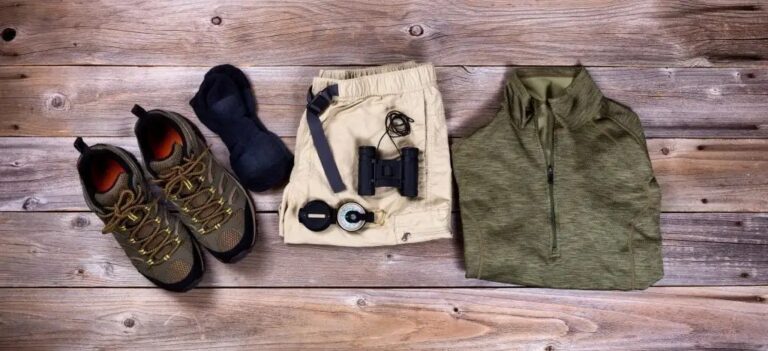
Yama Kei’s origins are intertwined with Japan’s Mori Girl(森ガール) trend, which emerged in the mid-2000s as a response to fast fashion. The Mori movement, pioneered by figures like Choco—a Japanese woman who created an online community centered on “forest girls”—emphasized loose, layered clothing inspired by woodland aesthetics. Participants often wore flowing dresses, knit scarves, and rustic accessories, evoking a whimsical, nature-connected lifestyle. By the 2010s, Mori Girl had splintered into subgroups like Yama Kei(mountain style) and Hama Kei(beach style), each adapting the core principles to specific environments. Yama Kei, in particular, shifted focus from forest-inspired romanticism to mountain-ready functionality, appealing to urban dwellers seeking practicality without sacrificing style.
The style gained momentum through influential figures like Yuri Yosumi, a Japanese outdoor enthusiast who became a face of the movement by sharing her experiences hiking in functional yet fashionable attire. Her approach combined technical items like Marmot’s ultra-light backpacks with unconventional pieces such as outdoor skirts, creating a look that was both rugged and refined. Magazines like GO OUT and Randonnée further popularized Yama Kei, while anime series like Yama no Susume(Encouragement of Climb) embedded the style into youth culture. By the 2020s, Yama Kei had transcended its niche origins to influence global fashion, with international brands incorporating its principles of adaptability and minimalist aesthetics.

Design Philosophy: Balancing Nature, Function, and Aesthetics

Yama Kei’s design philosophy revolves around three core principles:
  1. Practicality Over Performance: Unlike Western outdoor gear, which often prioritizes extreme conditions, Yama Kei focuses on usability in everyday contexts. Items are designed for “urban outdoor” living—commuting, weekend hikes, or casual outings—rather than specialized expeditions. This is evident in features like breathable fabrics, multi-pocket designs, and neutral color palettes that hide dirt while maintaining visual cohesion.
  2. Wabi-Sabi Imperfection: Drawing from Japan’s wabi-sabi aesthetic, which finds beauty in imperfection, Yama Kei embraces natural materials like organic cotton, linen, and leather that age gracefully. For example, brands often use dye techniques that fade over time, giving each item a unique patina that reflects the wearer’s journey.
  3. Layering for Adaptability: Layering is central to Yama Kei, allowing wearers to adjust to changing conditions. A typical outfit might include a moisture-wicking base layer, a lightweight insulating mid-layer (e.g., a grid-fleece vest), and a weather-resistant outer shell. This approach mirrors the junihitoe(twelve-layered robe) tradition of Japanese aristocracy, adapted for modern mobility.

Key Brands and Their Signature Products

  1. White Mountaineering
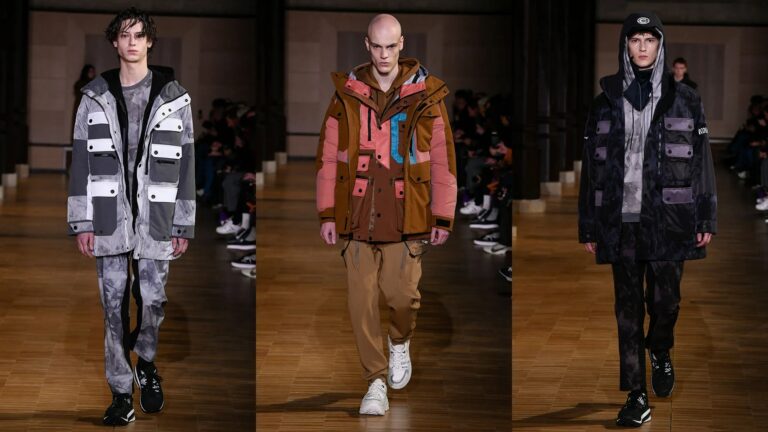
    Founded by designer Yuji Okada, this label merges military-grade durability with urban silhouettes. Its Reversible Insulated Jacket features heat-retaining insulation on one side and water-resistant nylon on the other, making it ideal for unpredictable weather. The brand often incorporates boro(patchwork) stitching, highlighting a commitment to longevity and repair.
  2. Nanamica
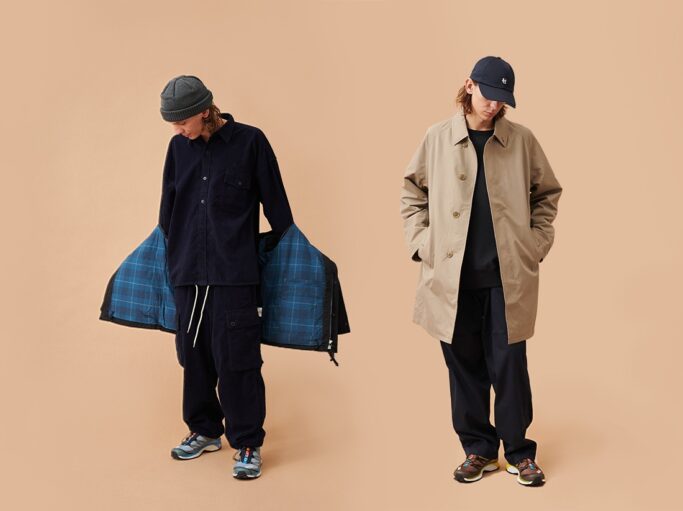
    Translating to “house of the seven seas,” Nanamica focuses on ocean-to-urban versatility. Its Gore-Tex Cycling Parka combines weatherproofing with cycling-friendly cuts, while the Eco-Friendly Shell Jacket uses recycled polyester without compromising breath ability. The brand’s muted palette—navy, slate gray, and off-white—excels in understatement.
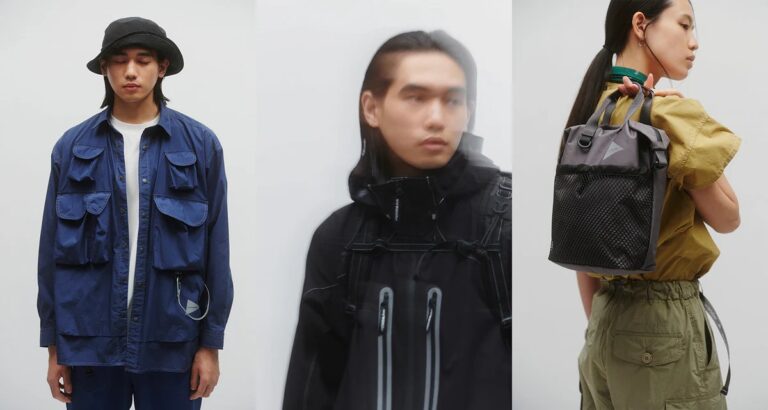
  3. and wander
    Established by former Issey Miyake designers, this brand emphasizes technical innovation. The Modular Climbing Vest includes detachable packs for gear storage, and its Stretch-Twill Trousers feature gusseted knees for unrestricted movement. Reflective detailing and odor-control fabrics cater to multi-day excursions.
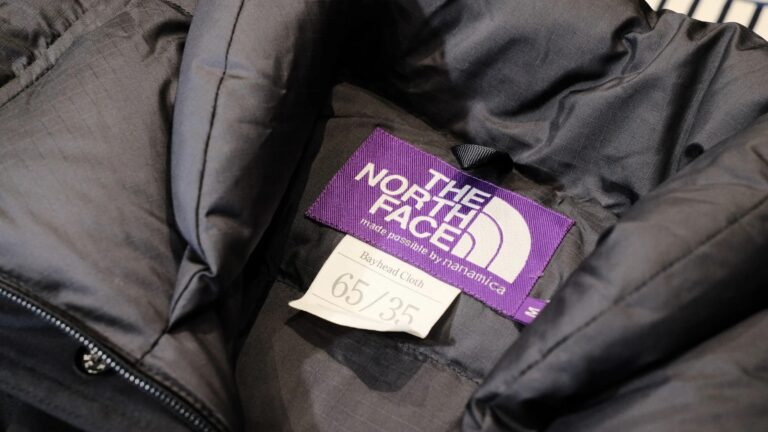
  4. The North Face Purple Label
    An Japan-exclusive line, Purple Label reimagines classic outdoor gear with a fashion-forward twist. The Dry Vent Trail Hat offers UV protection in a packable design, while the Corduroy Mountaineering Skirt balances nostalgia with functionality. Its limited-edition drops often sell out within hours.
Must-Have Yama Kei Items for Everyday Exploration

  • Lightweight Layering Systems: Pieces like Uniqlo’s Blocktech Parkaor Snow Peak’s Mesh Deploy Shell offer packable protection against wind and rain, folding into pocket-sized pouches for easy carrying. These items excel in urban settings where weather can shift abruptly.
  • Functional Footwear: Shoes like Salomon’s XA-Pro 3 Dor Suicoke’s Sandal-Crepe blend trail-ready traction with sleek profiles, using materials like hydrophobic mesh and contoured footbeds for all-day comfort.
  • Modular AccessoriesFjällräven’s Kanken Hip Pack serves as a cross-body bag or waist pack, while Gramicci’s G-Clip Pants feature an adjustable webbing belt for dynamic movement. These items embody Yama Kei’s emphasis on adaptability.

Yama Kei’s Cultural Impact: Beyond Fashion
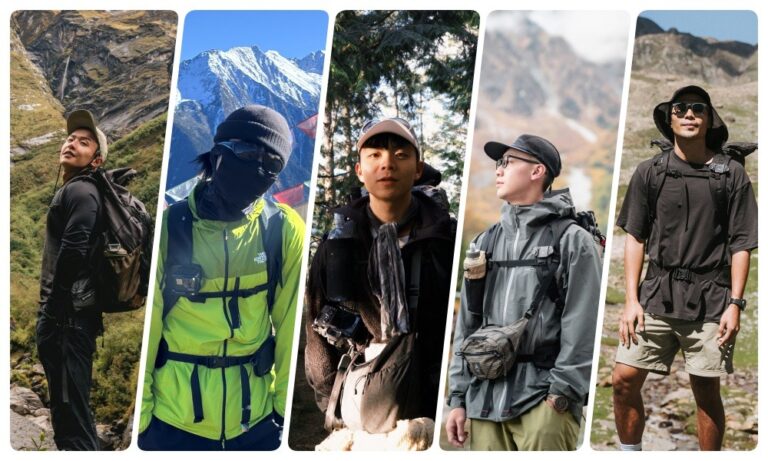
Yama Kei reflects broader societal shifts in Japan, including the muen shakai(relationless society) phenomenon, where young people seek solace in nature as an escape from urban pressures. The style’s emphasis on self-reliance and mindfulness aligns with the concept of shinrin-yoku(forest bathing), promoting mental well-being through outdoor immersion. Economically, Yama Kei has spurred collaborations between outdoor brands and high-fashion labels, such as TNF’s partnerships with Junya Watanabe, bridging subculture and mainstream appeal.

How to Acquire Yama Kei Goods via Rakufun

For international enthusiasts, accessing authentic Yama Kei items can be challenging due to regional exclusivity and language barriers. Rakufun, a dedicated Japanese proxy shopping​ platform, simplifies this process by partnering with retailers like MercariZOZOTOWN, and Beams. The service offers real-time translations, consolidated shipping, and zero purchasing fees, allowing users to browse limited-edition drops like Nanamica’s seasonal collectionsor White Mountaineering’s collaboration pieces. Rakufun’s platform also handles logistical complexities, such as packaging delicate items and managing international customs, ensuring a seamless Japan shopping​ experience.

Conclusion: Embracing the Yama Kei Lifestyle
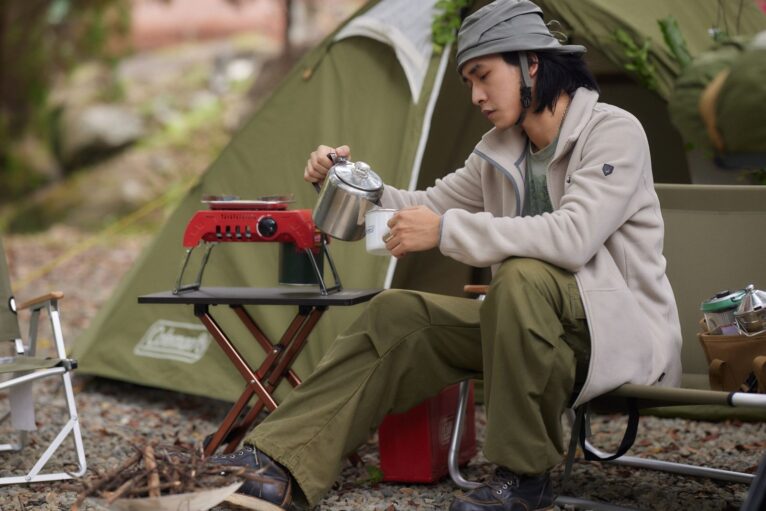
Yama Kei is more than a trend—it is a holistic approach to living that balances functionality, sustainability, and aesthetic joy. By integrating technical innovation with cultural heritage, it offers a roadmap for mindful consumption in an increasingly disposable world. With platforms like Rakufun, this distinctive style becomes accessible to global audiences, inviting everyone to explore the intersection of urban life and natural wonder.
Explore Rakufun’s curated Yama Kei collection: [www.rakufun.com].

Rakufun simplifies Japanese proxy shopping and global shipping, your all-in-one app for a seamless, fee-free experience:https://blog.rakufun.com/?p=10056


联系我们

在线咨询:点击这里给我发消息

微信号:

工作日:9:30-18:30,节假日休息