
The Art of Japanese Denim: A Comprehensive Guide to the World’s Finest Selvedge

Japanese denim represents more than just premium fabric – it embodies centuries of textile heritage, unparalleled craftsmanship, and an almost spiritual dedication to perfection. For denim connoisseurs worldwide, Japanese selvedge denim stands as the ultimate benchmark, combining time-honored techniques with innovative approaches that continue to push the boundaries of what’s possible in denim production. This deep dive into Japanese denim will explore its fascinating history, the legendary mills behind the fabric, iconic brands that have gained cult status, and practical guidance for adding these masterpieces to your wardrobe.
The Historical Roots of Japanese Denim Excellence
The story of Japanese denim begins in the post-war era, when American workwear captured the imagination of Japanese consumers. However, what started as imitation quickly evolved into something entirely unique. Japanese artisans studied vintage looms and traditional methods with an intensity that transformed denim production into an art form.
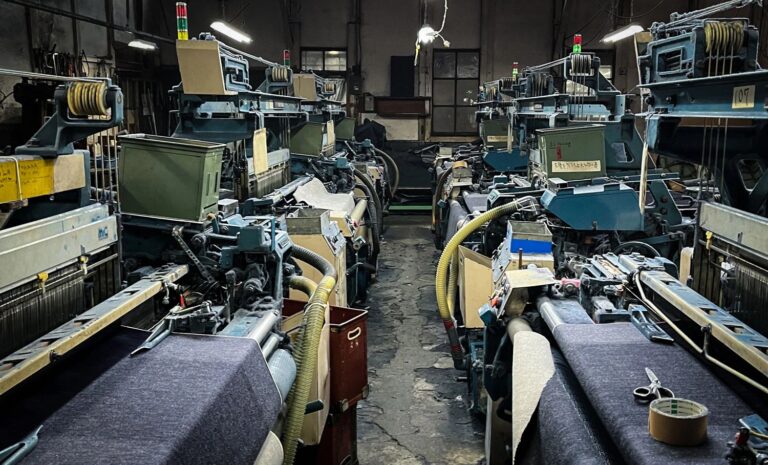
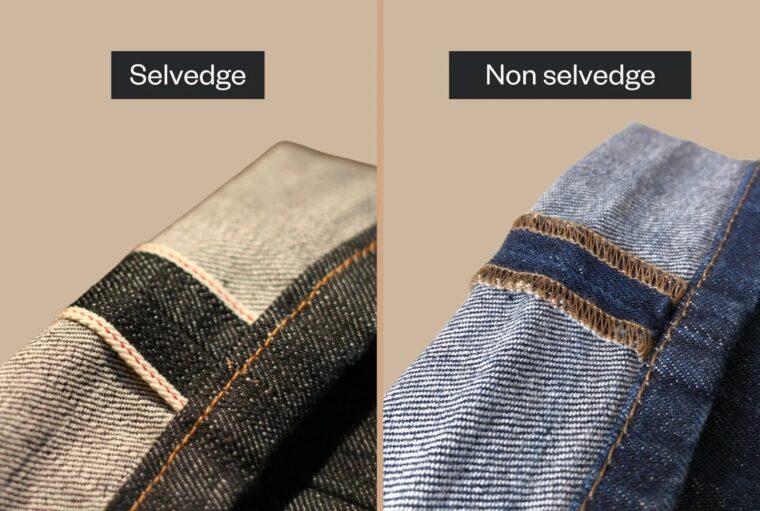
The real breakthrough came when Japanese mills began acquiring vintage shuttle looms from American manufacturers who were discarding them in favor of faster, more efficient modern equipment. These classic looms, particularly the Toyoda G-series from the 1950s, became the foundation of Japan’s denim revolution. The slower weaving process created the distinctive tight, self-finished edges that prevent fraying – the hallmark of quality selvedge denim.
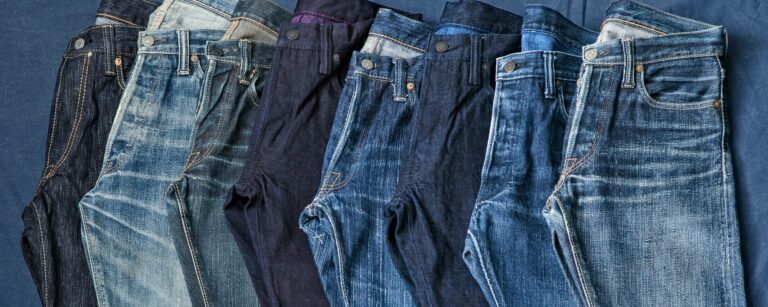
What sets Japanese denim apart is this philosophical approach to craftsmanship. The Japanese concept of “monozukuri” – the art of making things – infuses every step of the process, from cotton selection to final finishing. This isn’t just manufacturing; it’s a form of spiritual practice where the craftsman pours their soul into creating something that will last for generations.
The Legendary Mills: Where Magic Happens
At the heart of Japan’s denim superiority are its specialized mills, each with distinct characteristics and specialties:
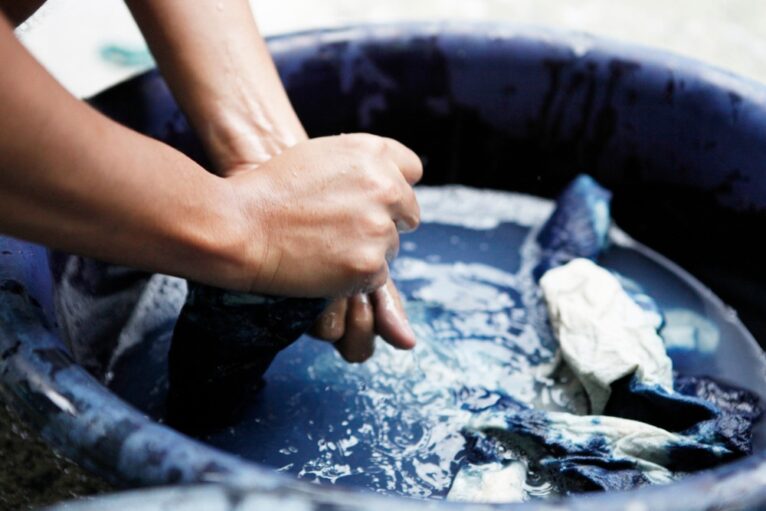
Kaihara Mill – Founded in 1951 and based in Fukuyama, Hiroshima, Kaihara has become one of Japan’s most innovative denim producers. While they operate both vintage and modern looms, their true mastery lies in their dyeing techniques. Kaihara’s signature rope-dyeing method involves repeatedly dipping cotton yarns in indigo vats, creating exceptional color depth and longevity. Their fabrics are renowned for their soft hand feel right from the first wear, making them popular with brands ranging from Uniqlo’s premium lines to high-end labels like Evisu.
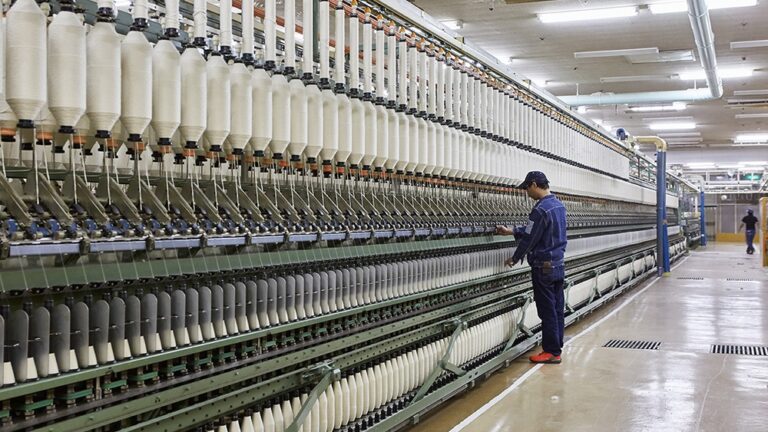
Kuroki Mill – Nestled in Okayama Prefecture, Japan’s denim capital, Kuroki represents the soul of small-batch artisanal production. Established in 1984, this family-run operation maintains a vertical production system where they control every step from dyeing to finishing. Their expertise with natural indigo creates fabrics that age with incredible character, developing unique fading patterns that tell the story of the wearer’s life. The mill’s attention to detail extends to their signature red selvedge line, which has become a mark of quality recognized by denim enthusiasts worldwide.

Nihon Menpu – With over a century of experience, Nihon Menpu embodies the timeless appeal of Japanese textiles. Their expertise lies in creating exceptionally durable, tightly woven denim using vintage Toyoda looms. What sets them apart is their focus on fabric structure and longevity – their denim feels substantial from day one but breaks in to become incredibly comfortable over time. They’re particularly known for their “cotton knot” denim, which features irregular slubs that create visual texture and unique fading characteristics.
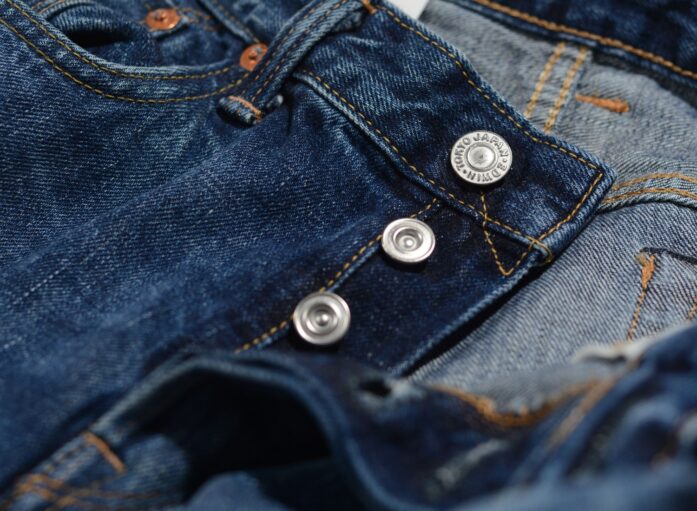
Collect Mill – A relative newcomer founded in 2000, Collect Mill has quickly earned respect for their experimental approach. They specialize in unique fabric treatments, including their famous “black seed” denim that incorporates black cotton variants for distinctive visual effects. Their willingness to push boundaries while maintaining traditional quality standards has made them a favorite among denim innovators.
Iconic Japanese Denim Brands You Should Know
These mills provide the canvas, but Japanese denim brands are the artists that transform these exceptional fabrics into wearable masterpieces:
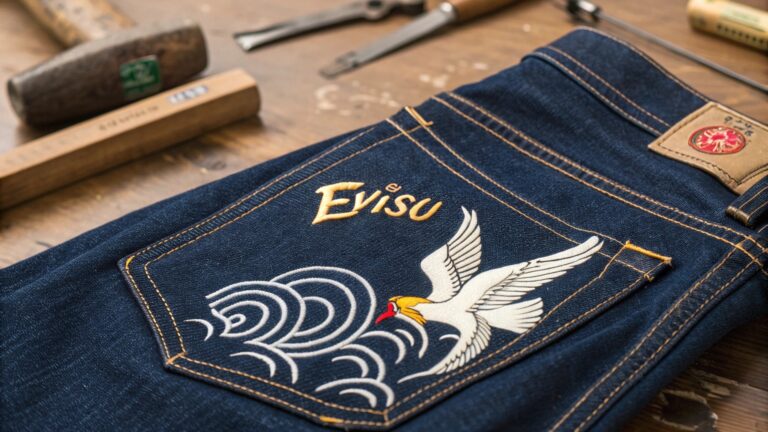
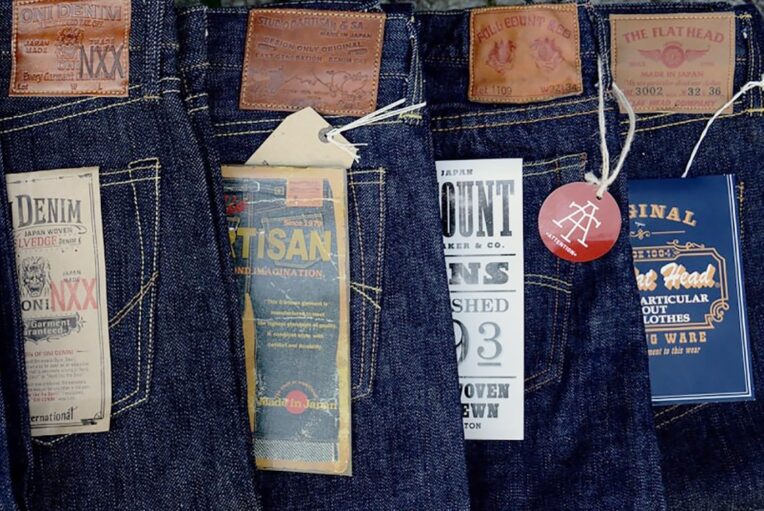
Evisu – No discussion of Japanese denim is complete without mentioning Evisu. Founded in 1991 by Hidehiko Yamane, Evisu revolutionized denim by combining premium Japanese fabrics with vintage American silhouettes. Their signature hand-painted seagull logo on the back pockets has become instantly recognizable. What truly sets them apart is their dedication to craftsmanship – many of their premium styles still feature hand-stitched details and custom hardware. Their No. 1 and No. 2 denim, woven on vintage looms with premium Zimbabwe cotton, represents the pinnacle of their artistry.
Samurai Jeans – True to their name, Samurai Jeans approaches denim with the discipline and dedication of ancient warriors. Founded in 1998, they’re known for their heavyweight fabrics, often ranging from 19oz to 25oz, that create dramatic fading patterns over time. Their attention to historical accuracy extends to every detail, from using vintage-style thread to reproducing classic 19th-century denim textures. Each pair tells a story through its symbolic details, like the “bushido” (way of the warrior) philosophy woven into their branding.

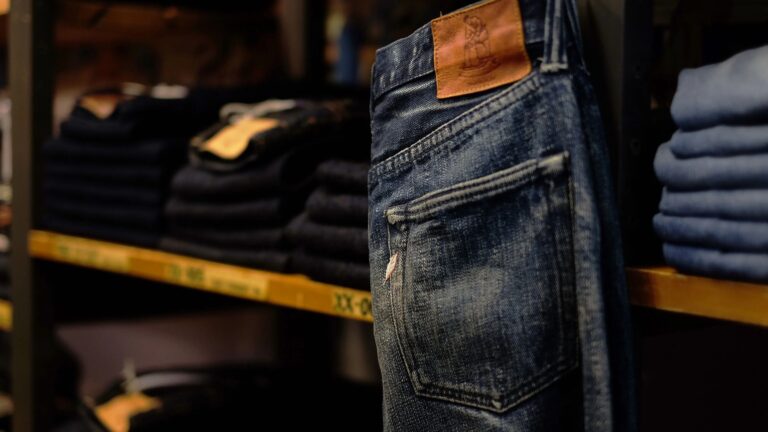
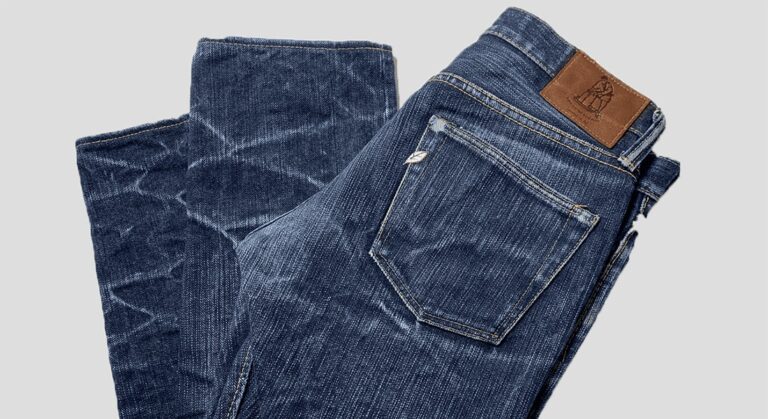
Pure Blue Japan – This brand has carved its niche by focusing on texture and depth. Their signature slubby denim, created using irregular yarns, gives their fabrics a three-dimensional quality that catches light in unique ways. The “blue” in their name reflects their obsession with indigo – they’ve developed proprietary dyeing techniques that create incredible color depth and fading characteristics. Their XX-013 model, with its distinctive vertical falling patterns, has achieved legendary status among denim enthusiasts.
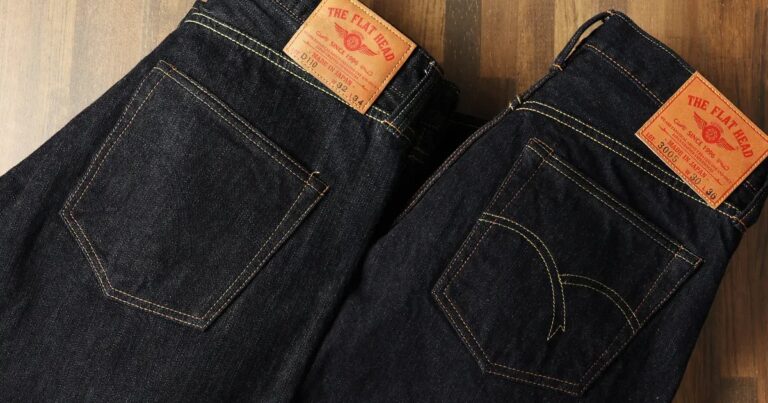
The Flat Head – Renowned for their “vertical fading” characteristics, The Flat Head creates denim that ages with remarkable contrast and sharpness. Their secret lies in using extra-long staple cotton and extremely tight weaving techniques that create a smooth, dense fabric. When combined with their intensive indigo dyeing process, the result is denim that develops bright electric blue highlights as it wears. Their dedication to quality extends to every component, from custom-made rivets to specially developed thread that ages in harmony with the denim.
Studio D’Artisan – As one of the original “Osaka Five” brands that sparked the Japanese denim revolution, Studio D’Artisan balances tradition with playful innovation. While they excel at reproducing historical denim with academic precision, they’re equally known for their creative collaborations and limited editions. Their signature pig logo reflects their philosophy of creating “artisanal” quality with personality and soul.
Understanding Japanese Denim Quality Markers
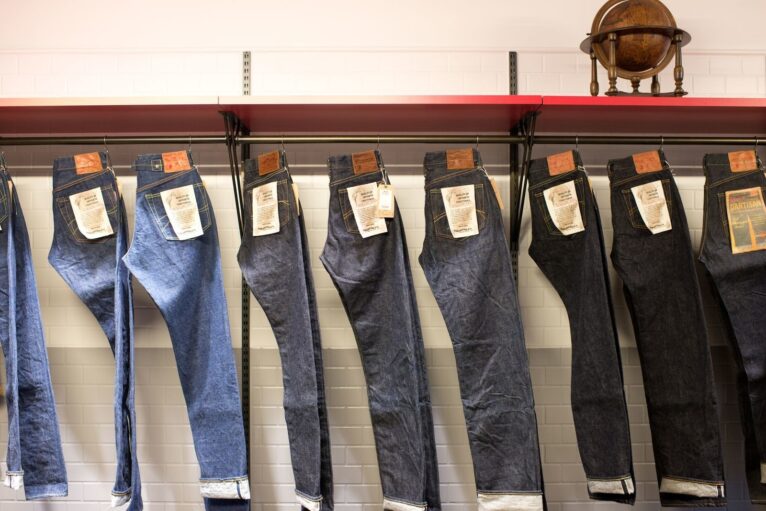
Recognizing quality Japanese denim involves looking beyond brand names to understanding these key characteristics:
Selvedge Lines – The colored lines woven into the fabric edges aren’t just decorative; they’re markers of quality. Different mills and brands use specific colors – Kuroki’s red line, Collect Mill’s green, or Evisu’s black and gold – that signal the fabric’s heritage to knowledgeable enthusiasts.
Weight and Hand Feel – Japanese denim comes in various weights, measured in ounces per square yard. Lighter weights (10-12oz) offer comfort and easy wearability, while heavier denim (16oz+) provides structure and dramatic fading potential. The “hand feel” – how the fabric feels to the touch – reveals much about its quality and how it will break in over time.
Dyeing Techniques – The method of indigo application significantly impacts how denim ages. Rope-dyeing creates clean, uniform fades, while loop-dyeing produces more vintage-style fading. Natural indigo, though rare and expensive, creates subtler, more complex color variations compared to synthetic alternatives.
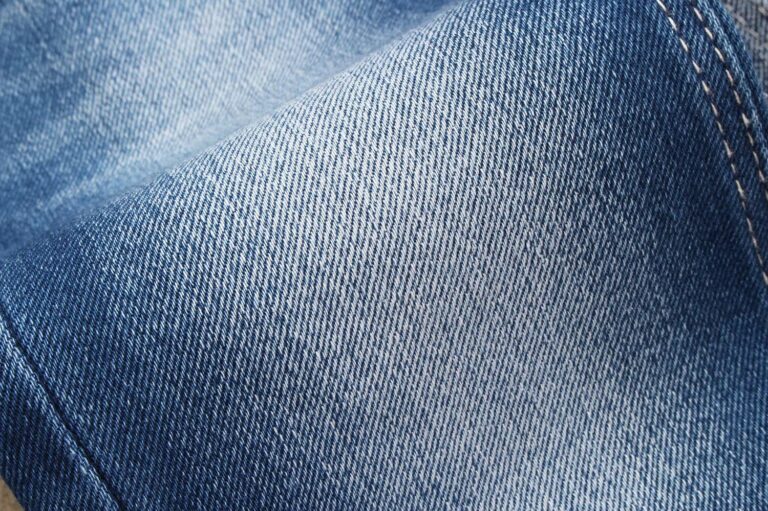
Weaving Irregularities – Unlike mass-produced denim’s uniform perfection, premium Japanese denim often features intentional irregularities – slubs, nep, and weave variations – that give the fabric character and visual depth.
How to Acquire Japanese Denim via Rakufun
For international enthusiasts, accessing authentic Japanese denim has historically been challenging. Limited editions, regional exclusives, and the difficulty of navigating Japanese retailers created barriers for global customers. This is where Rakufun transforms the experience.
Rakufun serves as your personal gateway to Japan’s denim universe, providing access to limited editions, exclusive collaborations, and rare finds that never reach international markets. The platform’s intuitive interface and English-language support make navigating Japanese retailers effortless, even if you don’t speak the language.
The Rakufun Shopping Process Simplified:
-
Account Creation & Setup – Begin by creating your Rakufun account, which takes less than two minutes. Immediately, you gain access to their complete platform, including their multi-marketplace search functionality.
-
Advanced Product Discovery – Use Rakufun’s integrated search to browse across Japan’s top denim retailers simultaneously. Their translation features and detailed product information make it easy to understand exactly what you’re purchasing. For best results, use specific search terms like “Evisu No. 2 denim” or “Samurai Jeans 25oz” to find exactly what you want.
-
Intelligent Cart Management – As you discover pieces you love, add them to your cart. Rakufun’s system automatically calculates domestic Japanese shipping costs and their service fee, so you never face unexpected charges. You can shop across multiple Japanese retailers in a single transaction.
-
Secure Checkout Process – Complete your purchase using Rakufun’s secure payment system, which accepts major credit cards and PayPal. Their transparent pricing shows exactly what you’re paying for each item, including all associated fees.
-
Package Consolidation Service – This is where Rakufun truly shines. As your purchases arrive at their Japanese warehouse, they’ll store them securely and combine multiple items into a single international shipment. This consolidation can reduce shipping costs by up to 60% compared to individual international shipments.
-
Global Shipping Options – Choose from multiple shipping methods based on your budget and timeline needs. Whether you prefer the speed of DHL or the economy of EMS, Rakufun provides clear pricing and delivery estimates for each option.
-
Delivery and Enjoyment – Track your package every step of its journey from Japan to your doorstep. Rakufun’s customer support team remains available throughout the process to answer any questions about customs, delivery timing, or product details.
Why Rakufun Stands Out for Denim Enthusiasts:
Beyond the basic proxy service, Rakufun offers denim-specific advantages that make them particularly valuable for collectors. Their product specialists understand Japanese denim and can help verify authenticity for rare or vintage pieces. Their partnerships with Japanese retailers often provide access to exclusive restocks or limited editions that sell out instantly on other platforms. Perhaps most importantly, their packaging expertise ensures your denim arrives in perfect condition, properly protected for its international journey.

Caring for Your Japanese Denim Investment
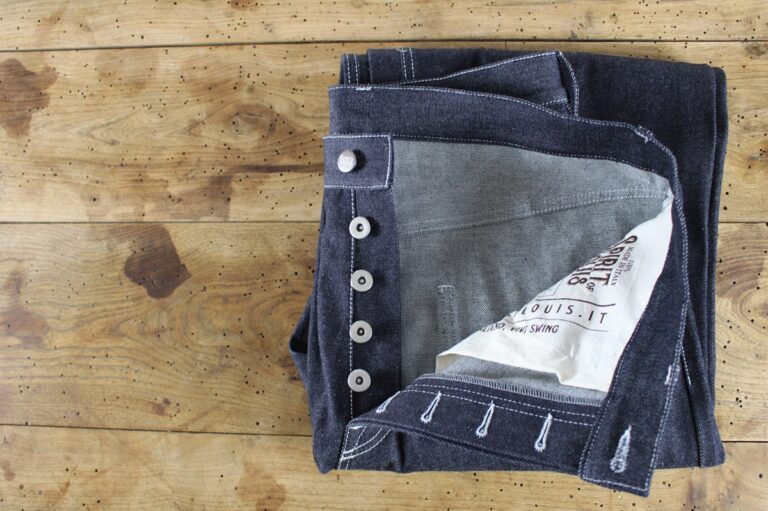
Owning premium Japanese denim comes with responsibility – these pieces deserve proper care to ensure they age beautifully. The golden rule? Wash infrequently and always inside-out in cold water. Many enthusiasts wait six months or longer before the first wash to set creases and fading patterns. When not wearing your denim, hang them rather than folding to maintain crease positions. For repairs, seek out specialists who understand how to work with selvedge denim – visible mending using traditional sashiko techniques can add character while extending your denim’s life.
The Future of Japanese Denim
While Japanese denim remains deeply connected to its heritage, innovation continues to drive the industry forward. Mills are experimenting with sustainable practices, including water recycling and natural dye alternatives. Technical fabrics that incorporate performance characteristics while maintaining traditional aesthetics represent the next frontier. Through it all, the fundamental commitment to quality remains unchanged – each new generation of craftsmen adds to the legacy while honoring the traditions that made Japanese denim legendary.
Begin Your Japanese Denim Journey
Japanese selvedge denim offers more than just clothing – it provides a connection to centuries of craftsmanship and an opportunity to participate in a living tradition. Each fade, crease, and patina tells your unique story while honoring the artisans who created your denim.
Ready to explore this fascinating world? Visit Rakufun today to discover limited editions, iconic brands, and hidden gems from Japan’s denim universe. With their expert guidance and seamless international service, your perfect pair of Japanese selvedge jeans is closer than you think.
Rakufun simplifies Japanese proxy shopping and global shipping, your all-in-one app for a seamless, fee-free experience:https://blog.rakufun.com/the-art-of-japanese-denim-a-comprehensive-guide-to-the-worlds-finest-selvedge/