
1. HOME > Collections & Figures > Articles

Exploring Japan’s Vintage Goods: How to Find Showa Toys, Antique Kimono, and More
           

When travelers think of Japanese vintage shopping, luxury handbags from brands like Louis Vuitton and Chanel often dominate the conversation. However, Japan’s secondhand culture offers a far richer tapestry of collectibles that embody its artistic heritage and everyday craftsmanship. From antique kimono and handcrafted tea sets to nostalgic Showa-era toys and vinyl records, these items tell a more authentic story of Japanese life and aesthetics. For international collectors, accessing these treasures has historically been challenging, but platforms like Rakufun are revolutionizing the experience. This guide explores Japan’s lesser-known vintage categories and how to acquire them with confidence.

Antique Kimono: Wearing Japanese History
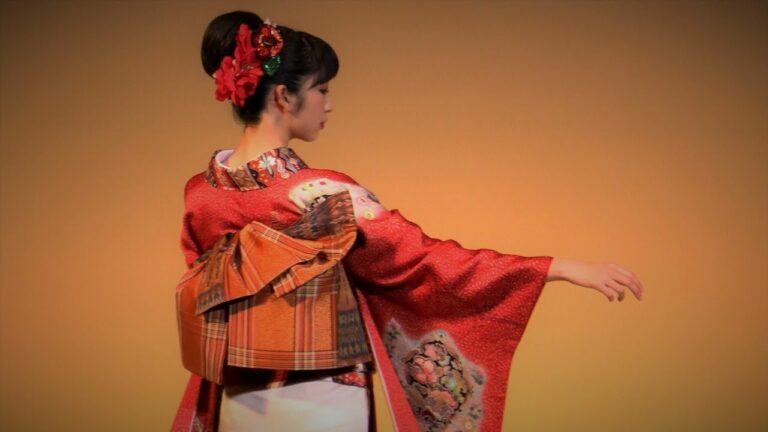
Kimono are more than traditional garments; they are wearable art reflecting centuries of craftsmanship. Vintage kimono, particularly from the Taisho (1912–1926) and early Showa (1926–1989) eras, showcase techniques like shibori(tie-dye) and yuzen(hand-painted dyeing) using natural dyes and intricate motifs inspired by nature and folklore. A full set often includes an undergarment (juban), a wide sash (obi), and accessories like fukusa(wrapping cloths), each piece signaling social status, season, or occasion.
For example, a Taisho-era furisode(long-sleeved kimono) might feature cherry blossoms embroidered with gold leaf, while a Showa-era yukata(summer robe) could display bold geometric patterns influenced by mid-century design. Look for silk or hemp fabrics, which indicate higher quality, and prioritize items from renowned weaving regions like Kyoto’s Nishijin district. Though slight fading or minor repairs can add character, avoid significant stains or tears that compromise integrity. These garments are often found at flea markets such as Kyoto’s Toji Temple Market or Tokyo’s Ohi Racecourse event, where prices range from affordable cotton yukata to high-end silk heirlooms.

Vintage Tea Ceramics: The Soul of Japanese Tea Culture

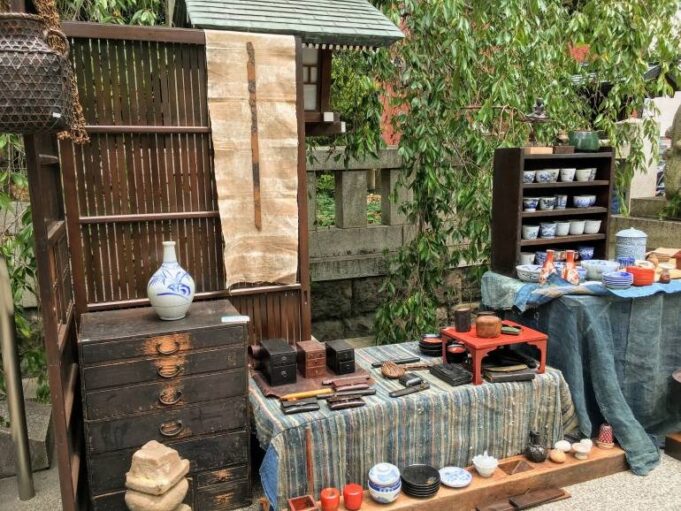
Japanese tea sets embody the philosophy of wabi-sabi—finding beauty in imperfection. Antique tea bowls (chawan), kettles (kama), and incense containers (kōgō) from the 19th century or earlier are sought for their rustic elegance and historical significance. Key styles include Raku ware, hand-molded bowls used in tea ceremonies (chanoyu) prized for their irregular shapes and earthy glazes, and Banko-yakiceramics from Mie Prefecture, which often feature nature-inspired reliefs.
Iron kettles (tetsubin) from Morioka or Yamagata, crafted for their heat retention and ability to enhance water flavor, are equally collectible. When evaluating pieces, provenance matters: items with original storage boxes (tomobako) or silk pouches (shifuku) typically indicate careful preservation. These artifacts are frequently available at specialty shops in Kyoto’s Teramachi Arcade or online marketplaces like Surugaya, with prices varying based on age, condition, and craftsmanship.

Showa-Era Toys: Nostalgia in Miniature
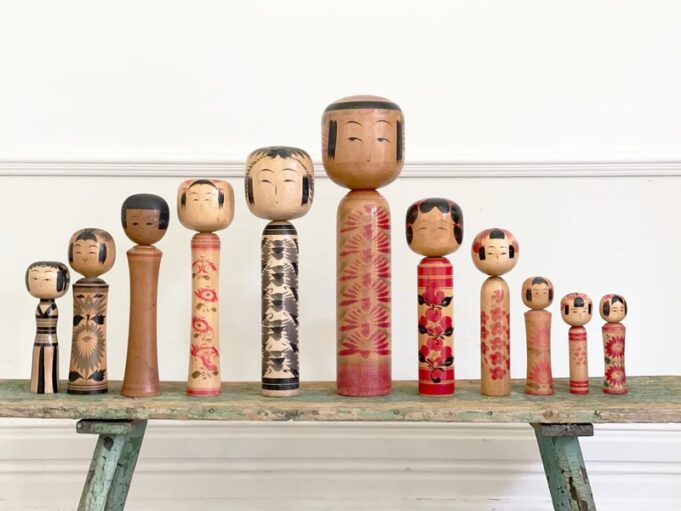
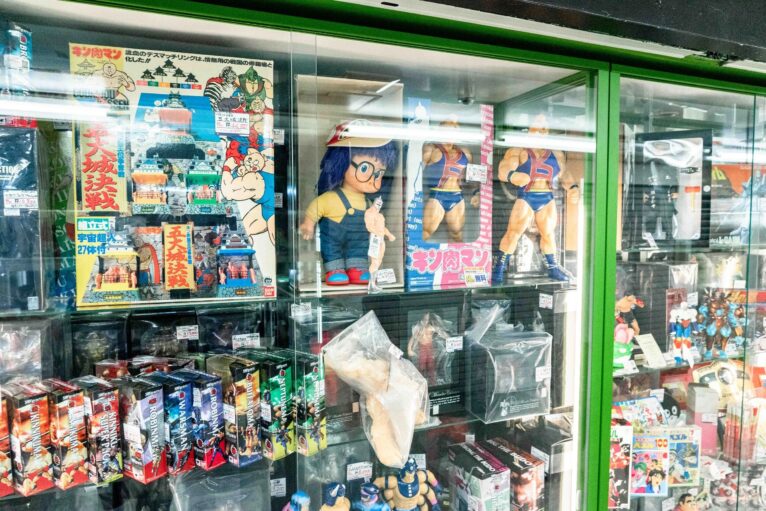
Toys from Japan’s Showa period (1926–1989) capture the country’s postwar creativity and technological optimism. Tin robots from brands like Masudaya, such as the “Gang of Five” series, are highly sought for their mechanical complexity and vibrant lithography. Character merchandise from early anime series like Astro Boyor Godzillareflects the birth of Japan’s pop culture empire, while kokeshidolls and kendamaskill toys showcase traditional craftsmanship.
These items often appreciate in value, particularly if they retain original packaging or exhibit minimal wear. Collectors should prioritize pieces from iconic Tokyo neighborhoods like Shimokitazawa or Koenji, where vintage toy stores like Chicagoor Mandarakeoffer curated selections. The condition of moving parts, paint integrity, and completeness of accessories significantly impact value.

Vinyl Records: Japan’s Musical Legacy
Japan’s vinyl pressings are renowned for their superior sound quality and elaborate packaging. Collectors seek Japanese editions of jazz albums by artists like Miles Davis or John Coltrane, which often include unique obistrips with liner notes unavailable elsewhere. Domestic genres such as enka(traditional ballads) or 1980s city pop—exemplified by Tatsuro Yamashita’s Ride on Time—offer glimpses into Japan’s musical evolution. Records in mint condition with original inserts and obi strips command premium prices.
Specialized shops in Tokyo’s Disk Union or Osaka’s Amerikamura are prime hunting grounds, though online platforms like Mercari frequently list rarities. When purchasing, inspect for scratches, warping, or mold, and prioritize pressings from labels like King Records or Nippon Columbia for their historical significance.

Where to Find These Treasures

Japan’s vintage ecosystem spans physical markets and digital platforms. Flea markets like Kyoto’s Tenjin-san (held monthly at Kitano Tenmangu Shrine) or Tokyo’s Ohi Racecourse event offer direct access to kimono, ceramics, and toys alongside local rituals like goshuin(temple stamps) collecting. Neighborhoods such as Shimokitazawa and Koenji in Tokyo are hubs for curated vintage fashion and records, while Osaka’s Amerikamura caters to youth-centric pop culture items. For online shoppers, Japanese platforms like Mercari and Surugaya host vast inventories, but international buyers face barriers like language restrictions and domestic-only shipping. This is where proxy services like Rakufun become essential, bridging the gap by providing translation, consolidated shipping, and authentication.

How Rakufun Simplifies Your Japan Shopping Experience
Rakufun, a dedicated Japanese proxy shopping platform, transforms the complexity of international collecting into a seamless process. The service integrates with key Japanese marketplaces, allowing users to browse real-time listings with automatic translation. For example, a search for “Showa tin robot” on Rakufun’s interface displays results from Surugaya or Mercari with English descriptions and transparent pricing. Once items are selected, Rakufun handles purchasing, quality verification, and consolidation at its Japanese warehouse, reducing international shipping costs by combining multiple purchases. The platform’s zero purchasing fee policy ensures customers pay only the item price and actual shipping, with options for insured delivery. This approach is particularly valuable for fragile items like ceramics or vintage records, where careful packaging is critical.

Conclusion: Embrace Japan’s Vintage Bounty with Confidence
Japan’s lesser-known vintage categories—from heirloom kimono to Showa-era toys—offer a deeper connection to the country’s cultural soul than mainstream luxury goods. By leveraging Rakufun’s proxy shopping expertise, international collectors can navigate language barriers, logistical hurdles, and authenticity concerns with ease. Whether you’re seeking a Taisho-era tea bowl or a city pop vinyl, these artifacts invite you to own a piece of Japan’s living history. Begin your journey into Japan shopping today, and discover the stories waiting in every stitch, glaze, and groove.
To explore Rakufun’s curated vintage collections, visit rakufun.com

Rakufun simplifies Japanese proxy shopping and global shipping, your all-in-one app for a seamless, fee-free experience:https://blog.rakufun.com/?p=9980


联系我们

在线咨询:点击这里给我发消息

微信号:

工作日:9:30-18:30,节假日休息