
Choosing Japanese Traditional Crafts as Gifts: A Practical Guide
Have you ever found yourself standing in a store, staring at rows of generic gifts, thinking, “This is nice, but it does not really say anything”? Most people have been there. Finding a gift that feels genuinely personal—something that carries meaning beyond its function—is not always easy.
What makes a gift truly memorable? Often, it is the object that comes with a story. The cup that was shaped by hands that learned from a parent. The cloth dyed with a technique refined over centuries. The box made from wood harvested from a forest that has sustained a community for generations. Japanese traditional crafts offer exactly that. They are not mass-produced. They are made by artisans who have dedicated decades to mastering a single craft. Each piece carries the knowledge of generations, the character of its materials, and the quiet confidence of something made with care.
From conversations with collectors and gift-givers, and from observing what pieces people return to again and again, these Japanese crafts stand out as consistently thoughtful choices.
Origin: Saga Prefecture | Best for: Tea drinkers, ceramic collectors
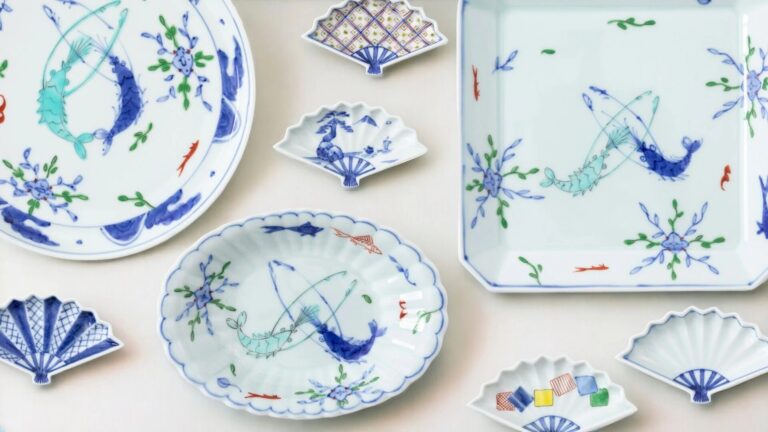
Arita Ware is one of Japan’s oldest porcelain traditions, dating back to the early 1600s. The region produces a fine white clay that allows for delicate forms and intricate blue-and-white designs. Contemporary pieces also include red, gold, and modern patterns. Arita artisans often work in family workshops, passing techniques from parent to child.
As a gift: Arita teacups or rice bowls are practical yet elegant. For a more special gift, consider a hand-painted piece where the artist’s brushwork is visible in each stroke.
Origin: Nationwide | Best for: Anyone, small gifts, housewarmings
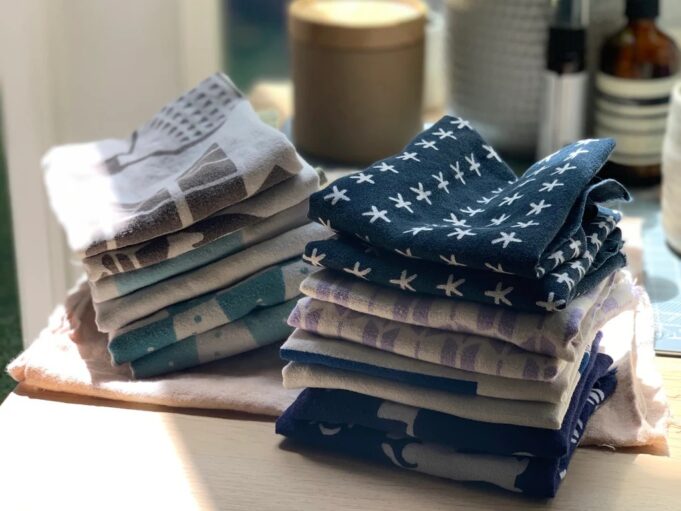
Tenugui are thin cotton cloths used for centuries as hand towels, head coverings, and wrapping cloths. They are dyed using the chusen method, which produces crisp, saturated patterns on both sides without blurring. Designs range from traditional waves and cherry blossoms to contemporary graphics.
As a gift: Tenugui are lightweight, affordable, and easy to ship. A single cloth can be framed as art, used in the kitchen, or carried as a handkerchief. A set of several makes a thoughtful small gift.
Origin: Tochigi Prefecture | Best for: Cooks, rustic aesthetic lovers
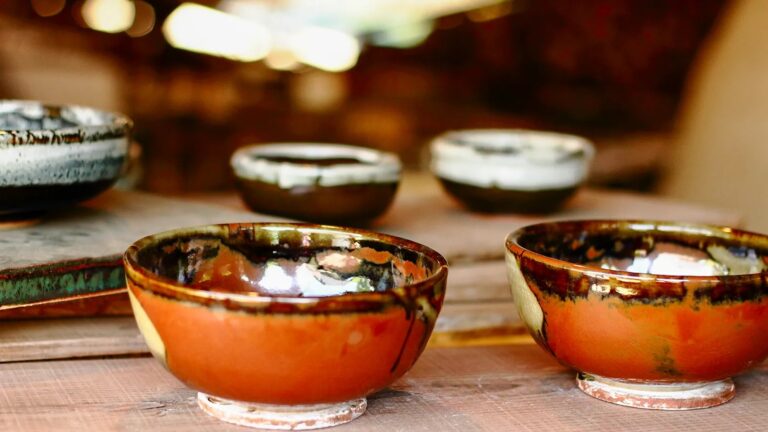
Mashiko Ware embodies the mingei (folk craft) movement championed by potter Shoji Hamada. The clay is coarse and earthy, the glazes warm and muted—browns, greens, creams, rusts. Glazes are often applied unevenly, giving each piece unique character. These are not delicate pieces; they are meant to be used daily.
As a gift: A large serving bowl, a set of mugs, or a teapot carries warmth and approachability. Perfect for someone who cooks or entertains regularly.
Origin: Tokyo | Best for: Special occasion gifts, sake drinkers
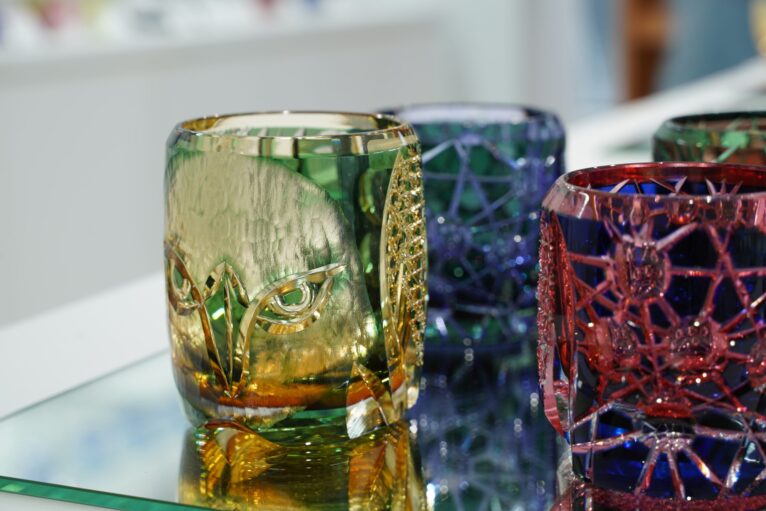
Edo Kiriko is cut glass that originated in 19th-century Tokyo. Artisans carve intricate patterns into colored glass, revealing clear glass underneath. Each cut is made by hand, and the depth of each cut determines how light reflects through the piece.
As a gift: A pair of cut glass sake cups or a small bowl makes a sophisticated present. The patterns catch the eye, and the craftsmanship is immediately visible.
Origin: Ishikawa Prefecture | Best for: Heirloom seekers, formal gifts
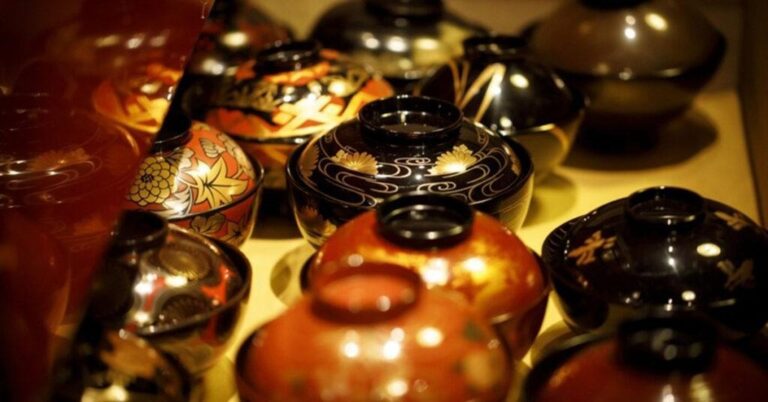
Wajima is Japan’s most famous lacquerware center. Artisans apply layers of urushi sap to wood, reinforcing the base with cloth to create exceptionally durable pieces. A single bowl may require dozens of layers, each applied by hand. The finish is often deep black or rich red, sometimes decorated with gold or silver powder.
As a gift: A Wajima lacquer bowl or set of chopsticks is an heirloom piece, designed to last generations. Ideal for weddings, retirements, or anyone who values objects built to last.
Origin: Ishikawa Prefecture | Best for: Art lovers, decorative collectors
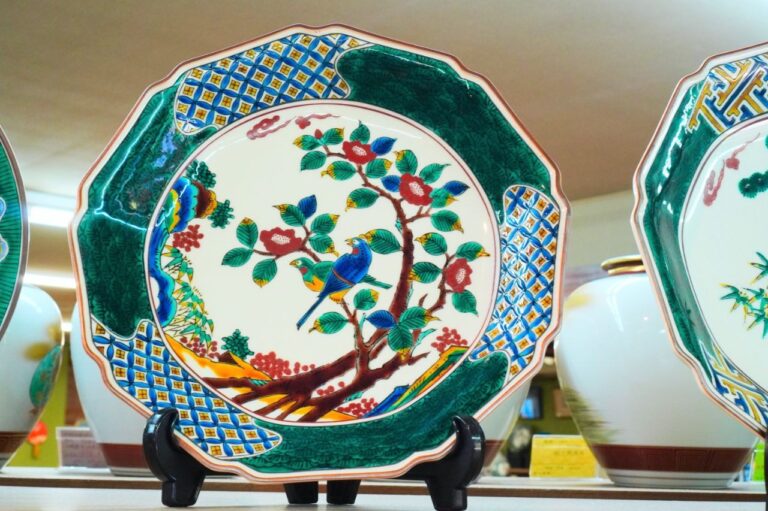
Kutani Ware is known for its bold use of color. Traditional pieces feature five colors—red, green, yellow, purple, and blue—in intricate paintings of flowers, birds, and landscapes. Contemporary Kutani includes both overglaze painting and minimalist designs.
As a gift: A Kutani sake set or small plate makes a striking impression. These pieces draw the eye and work well as accent objects in a home.
Origin: Kyoto | Best for: Accessory lovers, kimono enthusiasts
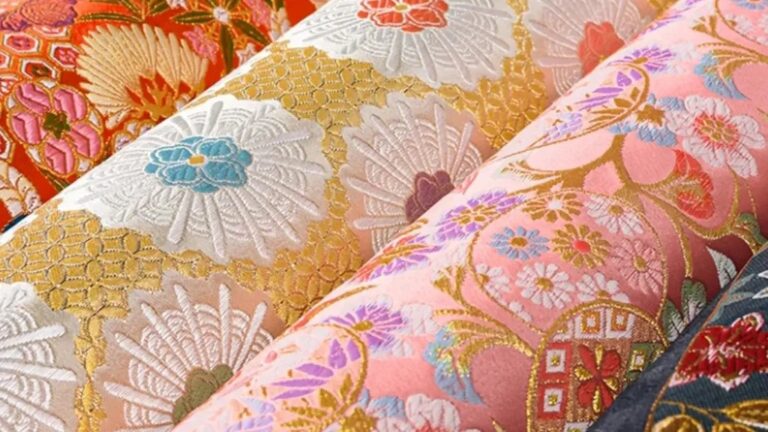
Nishijin has produced luxury textiles for over a thousand years. Many fabrics incorporate gold and silver threads, creating surfaces that shimmer. Patterns range from geometric to floral. While full kimono obi are expensive, smaller accessories are more accessible.
As a gift: A card case, purse, tie, or scarf made from Nishijin fabric carries the luxury of kimono culture in a wearable form. Ideal for someone who appreciates textiles or formal attire.
Origin: Ishikawa Prefecture | Best for: Everyday use, wood lovers
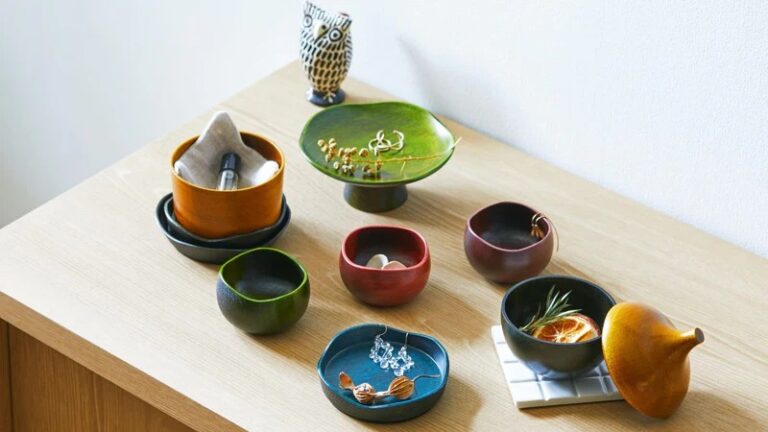
Yamanaka Lacquerware comes from the same region as Wajima but has a different character. It emphasizes the beauty of the wood itself, with thin layers of translucent lacquer that allow the grain to show through. The pieces are turned on lathes, creating smooth, rounded forms that feel natural in the hand. Bowls, trays, and serving pieces are common.
As a gift: A Yamanaka lacquer bowl or tray is less formal than Wajima but equally beautiful. It suits someone who appreciates wood grain and prefers objects that feel organic rather than highly decorated.
Origin: Fukui Prefecture | Best for: Writers, artists, stationery lovers
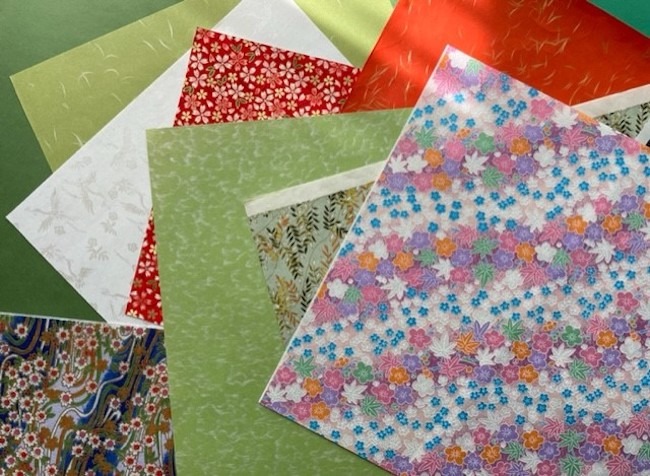
Echizen has produced handmade paper for over fifteen hundred years. Washi is made from kozo, mitsumata, and gampi fibers, resulting in paper that is strong, flexible, and textured. It can last centuries without yellowing.
As a gift: A set of Echizen washi stationery, a notebook, or a box of writing paper is thoughtful for someone who writes or draws. The texture is immediately noticeable—softer and more organic than industrial paper.
Origin: Nagano Prefecture | Best for: Lunch packers, Japanese food lovers
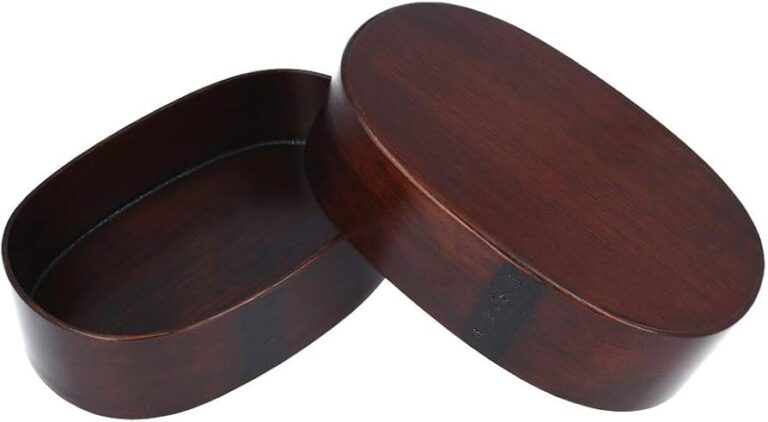
Kiso produces woodwork finished with lacquer, combining the warmth of wood with the durability of lacquer. Artisans shape wood on a lathe, then apply layers of lacquer by hand. The result is lightweight, water-resistant, and pleasant to touch.
As a gift: A Kiso lacquer bento box is practical and personal. It encourages the habit of preparing food with care and becomes part of daily life.
How to Purchase Japanese Crafts with Rakufun
Many Japanese artisans and craft shops do not offer international shipping. Rakufun is a proxy service that bridges this gap. Available as a website and mobile app, it connects you with Japanese marketplaces and stores, handling domestic purchases and international shipping. The platform charges 0% purchasing fees—you pay only for items and shipping.
Step 1: Find Your Item
-
Direct Search: Use Rakufun’s search to browse items from partnered platforms like Mercari, Rakuma, and JDirectItems Auction(Yahoo Japan Auctions).
-
Link2Buy: If you find an item on a Japanese website that does not ship internationally, copy the URL and paste it into Rakufun’s Link2Buy tool.
Step 2: Place Your Order
Add the item to your cart and check out. Add any questions or requests in the notes field. Pay for the item and domestic shipping.
Step 3: Consolidate Multiple Items
If you are buying gifts for multiple people or from several shops, take advantage of free warehouse storage. Once everything arrives, combine them into one shipment to reduce international shipping costs.
Step 4: Choose Shipping and Receive
Select your shipping method—economical sea mail or express services like DHL or EMS. Rakufun repacks items carefully and ships them to your address.
Things to Consider When Buying Crafts as Gifts
Know the Recipient’s Taste: Some people appreciate rustic objects like Mashiko pottery. Others prefer refined pieces like Kutani ware. Observe what they already own.
Consider Practicality: A beautiful object that sits unused may not be the best gift. Items like tenugui, ceramic bowls, and bento boxes are meant to be used daily, carrying more meaning over time.
Plan for Shipping Times: International shipping can take from a few days to several weeks. Plan ahead for specific occasions.
Respect the Craft: Purchasing from reputable sources—directly from artisans or established retailers—supports the continuation of these traditions.
Conclusion Choosing a Gift That Lasts
A gift of Japanese craftsmanship carries something that mass-produced objects cannot: a connection to history, to place, and to the hands that made it. Whether a simple tenugui cloth or a hand-crafted lacquer bowl, the object carries the knowledge of generations and the care of an artisan who dedicated years to mastering a craft.
With Rakufun, accessing these objects from outside Japan is straightforward. Search directly or use Link2Buy for specific items, consolidate purchases to save on shipping, and receive a gift ready for giving.
For those who have given a Japanese craft as a gift before, consider sharing what was chosen and how it was received. Those stories often become the best guide for others looking to choose something meaningful.
Have you given or received a Japanese traditional craft as a gift? What piece has stayed with you? Sharing those experiences helps others discover meaningful gifts as well.
Rakufun simplifies Japanese proxy shopping and global shipping, your all-in-one app for a seamless, fee-free experience:https://blog.rakufun.com/choosing-japanese-traditional-crafts-as-gifts-a-practical-guide/