
Finding Your Perfect Japanese Camping Tent: A Practical Guide
If you have been looking at Japanese camping tents, you have probably noticed that the options can feel overwhelming. Snow Peak. Ogawa. Montbell. DOD. Each brand has passionate advocates, each model has its own set of features, and somewhere in all that information is the tent that is right for you—but figuring out which one it is takes time.
The truth is, there is no single “best” Japanese tent. What works for a backpacker who covers ten miles a day is not what works for a family that drives to a campsite and stays for the weekend. What delights someone who camps in the summer is not what keeps someone warm in autumn. The right tent is the one that matches how you actually camp.
This guide takes a different approach. Instead of listing every tent on the market, it starts with you. By thinking about your camping style first—how you travel, who you camp with, what conditions you face—you can narrow down the options to the ones that genuinely fit your needs. From there, we will look at the Japanese brands and models that align with those priorities, and show you how to bring them home using Rakufun, a Japan proxy service.
Table of Contents
Start with How You Actually Camp
Before looking at any brand or model, it helps to be honest about your camping style. The right tent is the one that fits into your life, not the one that looks best in photos.
Are you a car camper or a backpacker?
If you drive to your campsite, weight and packed size matter much less. You can prioritize comfort, space, and durability. A larger tent with a heavy fabric like 210D polyester will serve you well for years.
If you carry your gear on your back or on a bike, every pound counts. A lightweight tent—something under 5 or 6 pounds—will make your trip far more enjoyable. Montbell is a natural fit here, while Snow Peak’s Amenity Dome series offers a middle ground.
Who camps with you?
Camping alone is different from camping with a partner, which is different from camping with children. A two-person tent works for a couple if you are comfortable sleeping close. But if you are camping with kids, or if you simply want space to spread out, a four-person tent often feels right even for three people.
What season do you camp in?
If you camp only in summer, ventilation becomes your priority. If you camp in spring and autumn as well, you will want something that handles wind and moderate rain. Winter campers need four-season tents with stronger frames and better insulation.
What matters most to you?
Some campers value aesthetics—they want a tent that looks beautiful at the campsite. Others prioritize setup time, wanting something they can pitch in under five minutes. Still others care most about longevity, preferring a tent that will last twenty years with proper care.
There is no wrong answer. But knowing your own priorities makes the search much simpler.
A Closer Look at Japanese Tent Brands and What They Offer
Japanese tent brands each have a distinct personality. Understanding what each brand values helps you find the one that aligns with your own camping style.
Snow Peak: For Campers Who Value Versatility and Longevity
Snow Peak designs tents that work hard and look good doing it. Their focus is on modularity—tents that can be configured differently depending on the trip. The Land Nest Shelter, for example, can be a sleeping tent with two rooms or a covered shelter without the inner tent. This flexibility appeals to campers who use their gear in multiple ways.
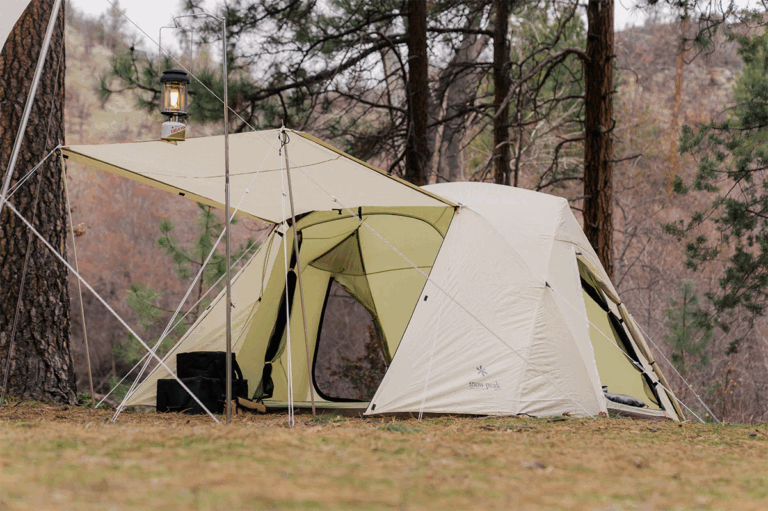
Who this brand is for: Campers who plan to keep their tent for many years and appreciate thoughtful design details. Snow Peak tents tend to be on the heavier side, so they suit car campers or those who do not mind trading a few pounds for durability.
Models worth considering:
-
Land Nest Shelter: The modular two-room tent. Great for families who want flexibility.
-
Amenity Dome M: A straightforward dome tent that balances space and portability. Good for couples or small families.
-
Amenity Dome L: The larger version, ideal for families of four who want a simple setup.
Ogawa: For Campers Who Appreciate Heritage and Craftsmanship
Ogawa has been making tents for over a hundred years. Their designs are classic—frame tents with curved roofs and spacious interiors. Setting up an Ogawa tent takes more time and practice than a modern dome tent, but people who own them often speak about the experience with a kind of pride.
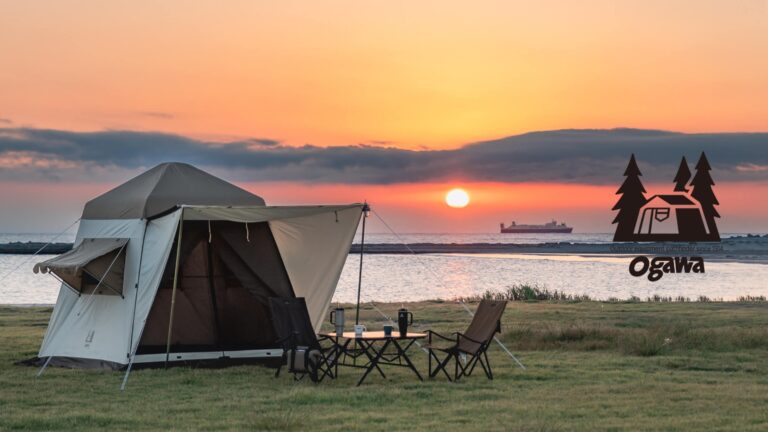
Who this brand is for: Campers who enjoy the ritual of setting up camp and value traditional aesthetics. If you camp in the same spot for several days and want a tent that feels like a home, Ogawa makes sense.
Models worth considering:
-
Type 52R: The classic frame tent. It is spacious and distinctive, though it requires some practice to set up.
-
Gran Polo: A larger frame tent for groups or families. Excellent ventilation and weather protection.
-
Pico: A smaller version for couples who want the heritage look without the bulk.
Montbell: For Campers Who Prioritize Lightweight and Simplicity
Montbell started with mountaineering gear, and that influence shows. Their tents are designed to be carried. They use lightweight fabrics, pack down small, and focus on essential features without unnecessary extras.
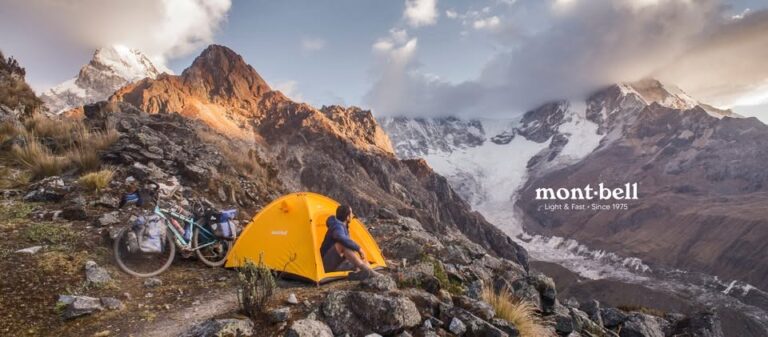
Who this brand is for: Backpackers, bikepackers, and solo campers. If you move from place to place and your tent spends more time in your pack than at a campsite, Montbell is worth a close look.
Models worth considering:
-
Moonlight Tent 2: A lightweight two-person tent that packs small. Ideal for backpacking.
-
Moonlight Tent 3: The three-person version, offering more space while keeping weight reasonable.
-
Stella Ridge: A straightforward two-person tent with a simple setup, good for beginners who want a reliable option.
Coleman Japan: For Campers Who Want Reliability Without Complexity
Coleman is a familiar name, but the Japanese market gets models with different colors and finishes. These tents are designed for families who want something that works without fuss. Setup is straightforward, materials are durable, and prices are generally more accessible than premium Japanese brands.
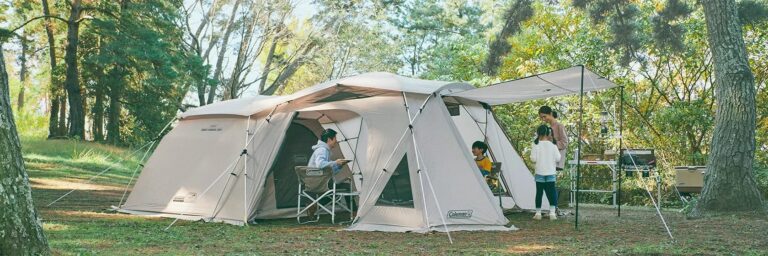
Who this brand is for: Families and beginners. If you want a tent that does the job without demanding much attention, Coleman is a solid choice.
Models worth considering:
-
Tough Dome Wide 300: A three-person tent with a wide footprint for extra comfort. Easy to set up.
-
Weathermaster 4: A four-person tent with a large vestibule. Built for family camping in varied conditions.
-
Two-Room House Tent: A four to five-person tent with a divider for privacy. Good for families with children.
DOD: For Campers Who Camp with Style
DOD tents are designed to be noticed. The shapes are unusual—hexagonal, low-profile, A-frame—and the details are playful. But they are not just about looks. DOD puts thought into practical features like ventilation and ease of setup.
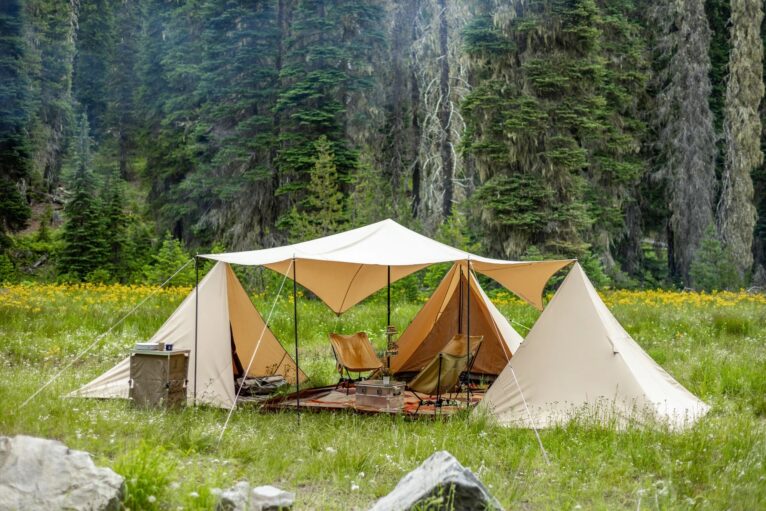
Who this brand is for: Campers who see their tent as part of the campsite aesthetic. If you enjoy expressing personality through your gear and do not mind a tent that stands out, DOD offers something different.
Models worth considering:
-
One-Touch Tent 5: A pop-up style tent that sets up in seconds. Good for casual camping or festivals.
-
Camper Tent 4: A low-profile two-person tent with a modern look. Packs down small.
-
Sugar Shack: An A-frame tent that makes a visual statement. Spacious and airy.
Devise Works: For Campers Who Want Something Unique
Devise Works collaborates with other brands to create limited-run tents. The designs are innovative—like the inflatable tent made with Heimplanet—and they are produced in small quantities. These are tents for people who pay attention to the edges of the industry.
Who this brand is for: Collectors and enthusiasts who want something you will not see at the average campground.
Models worth considering:
-
Devise Works x Heimplanet Tent: An inflatable tent that sets up quickly. Exclusively for the Japanese market.
What Real Campers Say About These Tents
Here are some feedback from people who have used these tents, and a few patterns emerged.
Snow Peak owners often talk about longevity. Many have owned their tents for five or ten years and still use them regularly. The modular design of the Land Nest gets mentioned frequently—people appreciate being able to use the same tent for sleeping trips and for day shelters.
Ogawa owners talk about presence. There is something about the shape of an Ogawa tent that makes a campsite feel more settled. The trade-off is setup time. People who buy Ogawa tend to enjoy the process of setting up camp.
Montbell owners talk about weight. The Moonlight series comes up again and again in discussions about backpacking. People are surprised by how much tent fits into such a small pack.
Coleman Japan owners talk about ease. Families appreciate that they can arrive at a campsite and have the tent up in ten minutes. The Japanese models get mentioned for having more subdued colors than their international counterparts.
DOD owners talk about enjoyment. There is a sense of fun in the way people describe their DOD tents. They are not just functional; they add something to the experience.
How to Bring Your Tent Home with Rakufun
Once you have chosen a tent, the next step is getting it from Japan to wherever you are. Rakufun is a proxy service that handles this process. It is available as both a website and a mobile app.
What Rakufun Does
Rakufun acts as your local buyer in Japan. You find a tent on a Japanese website—Mercari, Rakuma, Surugaya, or the official store of a brand like Snow Peak. You give Rakufun the link, they purchase it using their Japanese address, and then they ship it to you.
There are no purchasing fees. You pay for the item, domestic shipping within Japan, and international shipping to your location.
Step-by-step Process
Step 1: Find Your Tent
Open the Rakufun app or website. You have two options:
-
Direct Search: Search for tents directly on Rakufun. It pulls listings from partner platforms like Mercari and Rakuma.
-
Link2Buy: If you find a tent on another Japanese site—like the Snow Peak official store or a specialty retailer—copy the URL and paste it into the Link2Buy tool.
Step 2: Place Your Order
Add the tent to your cart and check out. If you have questions about the tent—like whether all parts are included—add them in the notes. Pay for the item and domestic shipping.
Step 3: Consolidate if You Buy Multiple Items
Rakufun holds your items in their warehouse for free. If you are buying a tent and also picking up a stove, chairs, or other gear, you can wait until everything arrives and then combine them into one shipment. This saves significantly on international shipping.
Step 4: Ship Your Tent
Choose your shipping method. Sea mail is slower but cheaper for large items. Express services like DHL or EMS are faster. Rakufun repacks everything securely and ships it to your address.
Tips Before Buying
Shipping costs are real. A tent is bulky. Before you get too attached to a particular model, check its packed dimensions and weight. A large frame tent might cost as much to ship as it does to buy. Consolidating with other purchases helps, but it is worth being realistic about the total cost.
Japanese sizing is different. A four-person tent in Japan often means four people sleeping shoulder to shoulder. If you want room to move, consider sizing up.
Second-hand can be a great option. Japanese campers take care of their gear. Mercari and Rakuma have many tents listed as “used but good condition” that look almost new. You can often find a high-end tent for half the retail price.
Condition terms matter. Learn to recognize:
-
美品 (excellent condition) – Minimal signs of use.
-
良品 (good condition) – Clearly used but no major flaws.
-
ジャンク品 (junk) – Sold as-is. Avoid unless you know what you are doing.
Seasonality affects availability. Tents often go out of stock during peak camping seasons. If you have a specific model in mind, it helps to plan ahead.
Final Thoughts
The tent that works for you is the one that fits how you actually camp. A Snow Peak Land Nest is a wonderful tent, but it is heavy and best for car camping. A Montbell Moonlight is a joy to carry, but it does not offer the same spacious living area. Neither is better than the other—they just serve different needs.
Japanese tents are built with care. They are designed to last, to look good, and to make camping feel like something worth doing well. Finding the right one takes a little thought, but the result is gear that you will use and appreciate for years.
With Rakufun, the process of bringing that tent home is simpler than it might seem. You find what you want, they handle the rest, and before long you are setting up your new tent at a campsite, wondering why you waited so long.
What kind of camping do you do? If you have been looking at Japanese tents, what models are you considering? I would be curious to hear what fits your style.
Rakufun simplifies Japanese proxy shopping and global shipping, your all-in-one app for a seamless, fee-free experience:https://blog.rakufun.com/finding-your-perfect-japanese-camping-tent-a-practical-guide/