
How Many TCGs Do You Really Know? A Tour of Japan’s Card Game World
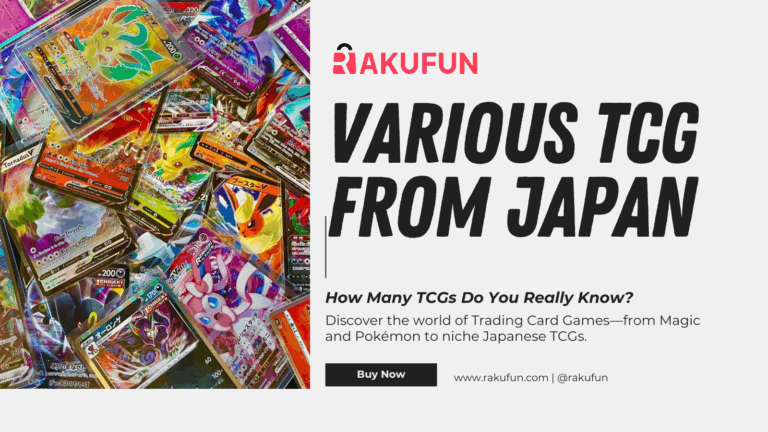
Trading Card Games, commonly known as TCGs, occupy a unique space in the world of gaming and collecting. They are part strategy game, part collectible hobby, and for many, a lifelong passion. A TCG is a form of card game where players construct their own decks from a pool of available cards and then use those decks to compete against one another following a set of rules. The “trading” aspect is central: players can buy, sell, and exchange cards with each other, creating a vibrant secondary market where rare cards can become highly valuable.
While many people are familiar with global giants like Pokémon and Yu-Gi-Oh!, the world of TCGs is vast and diverse. Japan, in particular, is a powerhouse in this industry, home to both internationally acclaimed franchises and a host of unique, smaller-scale games that are beloved by dedicated communities. This guide explores this rich landscape, introducing both the famous titles and some of Japan’s more unusual and niche offerings.
Table of Contents
-
Understanding the Different Types of Card Games
-
The “Big Three”: The Pillars of the TCG World
-
Major Japanese Anime and Manga TCGs
-
Unique and Niche Japanese TCGs Worth Knowing
-
How to Buy Japanese TCG Cards with Rakufun
-
Final Thoughts
Understanding the Different Types of Card Games
Before diving into specific games, it is helpful to understand the terminology. While “TCG” is often used as a catch-all term, there are several distinct formats.
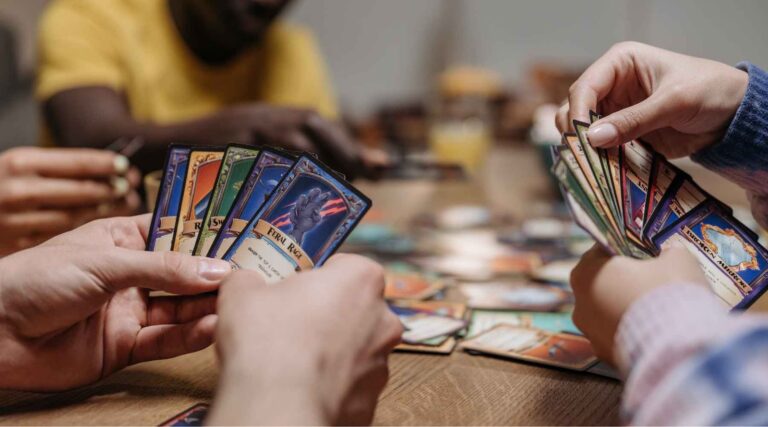
TCG (Trading Card Game): This is the classic format. Players purchase randomized booster packs or pre-constructed decks. The core of the experience lies in collecting, trading, and building a unique deck from your collection. Magic: The Gathering, Pokémon, and Yu-Gi-Oh! are the prime examples.
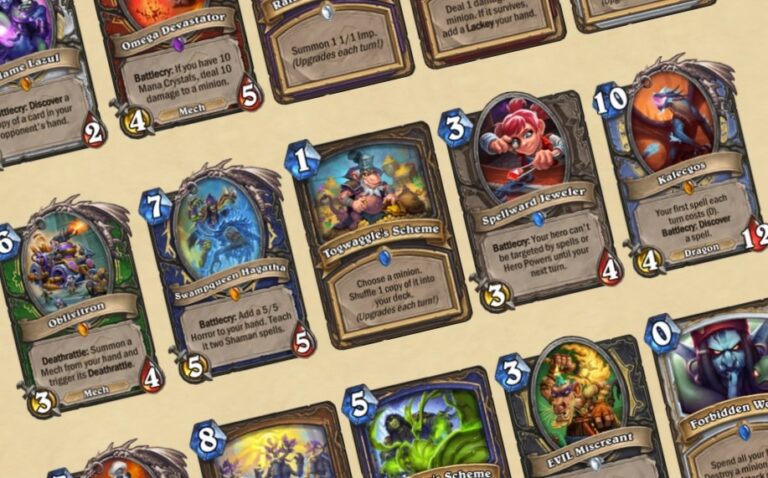
CCG (Collectible Card Game): Often used interchangeably with TCG, the term CCG is more commonly applied to digital card games like Hearthstone. The key difference is that in a digital CCG, there is no direct trading between players. Instead, players collect cards by opening packs and can “disenchant” unwanted cards to craft the ones they need.
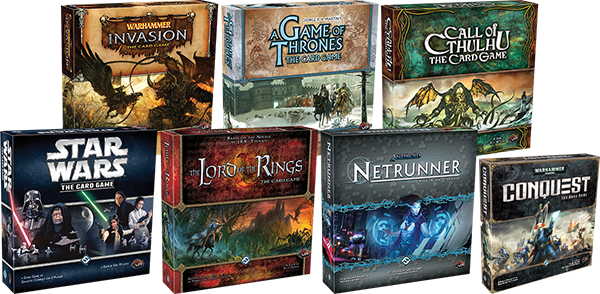
LCG (Living Card Game): This model, popularized by Fantasy Flight Games, is a departure from the randomized booster pack model. In an LCG, expansions are sold as complete sets, meaning every player knows exactly which cards they are getting with each purchase. This emphasizes deck-building skill over collecting luck.
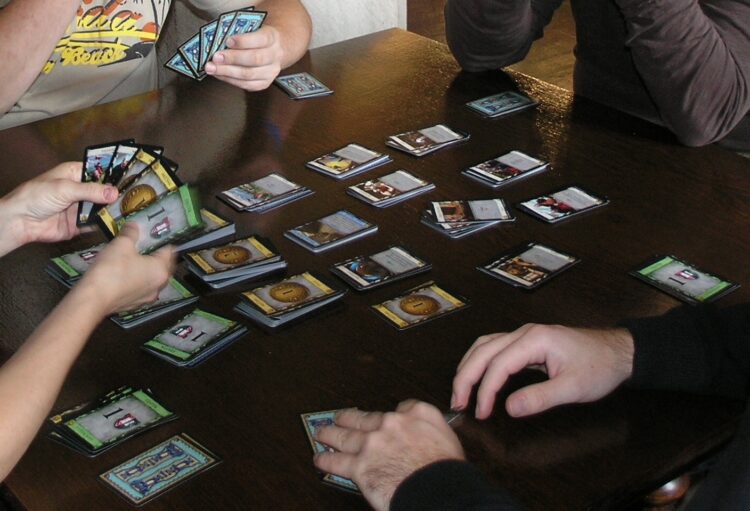
DBG (Deck-Building Game): In this genre, players do not bring pre-constructed decks to the table. Instead, they start with a small, basic deck and add new cards to it during the course of the game, creating a unique strategy on the fly. Dominion is the archetypal example.
The “Big Three”: The Pillars of the TCG World
When discussing TCGs, three names consistently stand above the rest. They are often referred to as the “Big Three” and have defined the genre for decades.
Magic: The Gathering
Origin: United States (1993)
Publisher: Wizards of the Coast
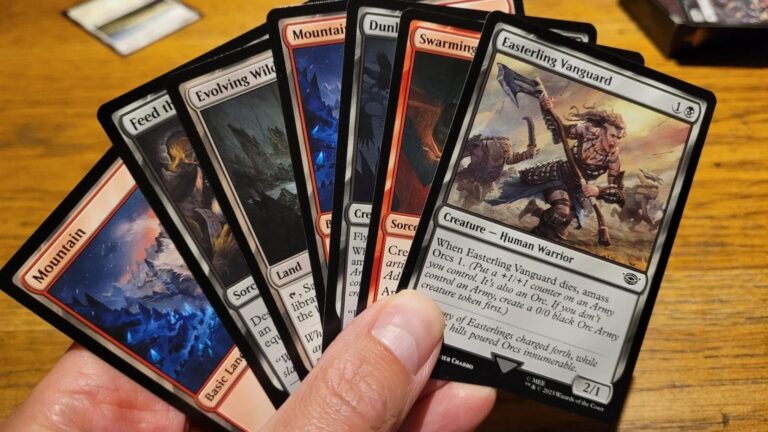
Magic is the game that started it all. Created by mathematician Richard Garfield, it was the first modern TCG and established many of the core mechanics that countless other games would later adopt. In Magic, players take on the role of powerful wizards called “planeswalkers” and use spells, creatures, and artifacts from a variety of colors to defeat their opponent.
The game is known for its deep strategic complexity, its vast and ever-expanding multiverse of lore, and its sophisticated tournament scene. While not a Japanese creation, it is massively popular in Japan and has heavily influenced the country’s game designers.
Pokémon Trading Card Game (PTCG)
Origin: Japan (1996)
Publisher: The Pokémon Company / Media Factory
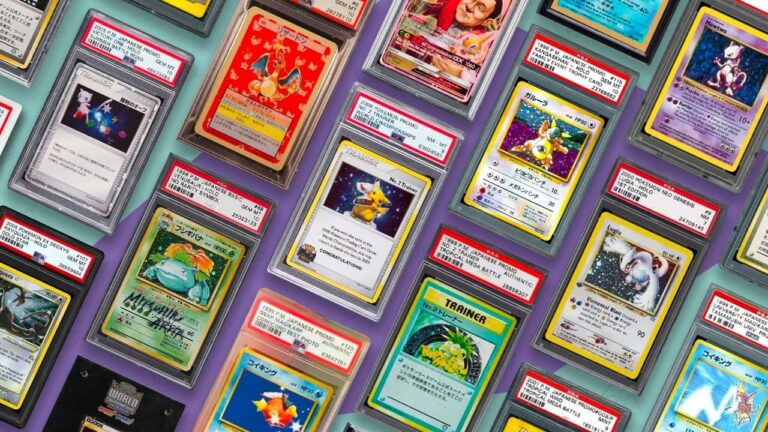
Born from the global phenomenon of the Pokémon video games and anime, the Pokémon TCG is perhaps the most accessible and widely recognized TCG in the world. Players take on the role of a Pokémon Trainer, using their deck of Pokémon, Trainer, and Energy cards to battle their opponent’s team.
Its enduring appeal comes from its simple-to-learn rules, the powerful nostalgia associated with its characters, and the incredible value of rare, collectible cards. In Japan, it is consistently the best-selling TCG, a testament to its cultural significance and enduring popularity.
Yu-Gi-Oh! Official Card Game (OCG)
Origin: Japan (1999)
Publisher: Konami
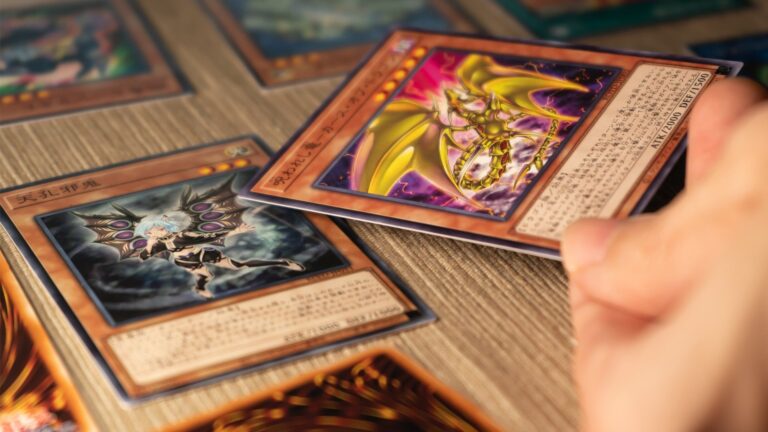
Based on the popular manga and anime series, Yu-Gi-Oh! is a game that simulates a battle between two duelists using monsters, spells, and traps. The Japanese version is officially called the OCG (Official Card Game), while the Western version is known as the TCG.
Yu-Gi-Oh! is famous for its incredibly fast-paced and complex gameplay, featuring a dizzying array of summoning mechanics that have been added over the years. From Fusion and Ritual to Synchro, Xyz, and Link Summoning, the game offers immense strategic depth. It remains one of the most popular TCGs in Japan and globally.
Major Japanese Anime and Manga TCGs
Beyond the “Big Three,” Japan is home to a thriving ecosystem of TCGs based on beloved anime, manga, and video game franchises. These games offer fresh mechanics and are deeply integrated with the media they are based on.
One Piece Card Game
Origin: Japan (2022)
Publisher: Bandai
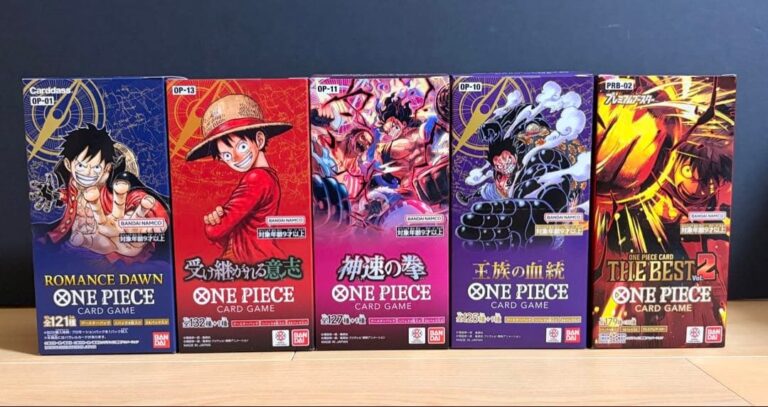
The newest major contender on the block, the One Piece Card Game has taken the world by storm since its release. Capitalizing on the massive global popularity of the One Piece anime and manga, the game allows players to build decks around their favorite pirate crews.
It is praised for its fast-paced, aggressive gameplay, unique “Don!!” resource system, and beautiful, high-quality card art that faithfully recreates iconic scenes from the series. Its popularity has made it one of the most sought-after TCGs in recent years.
Duel Masters
Origin: Japan (2002)
Publisher: Takara Tomy / Hasbro
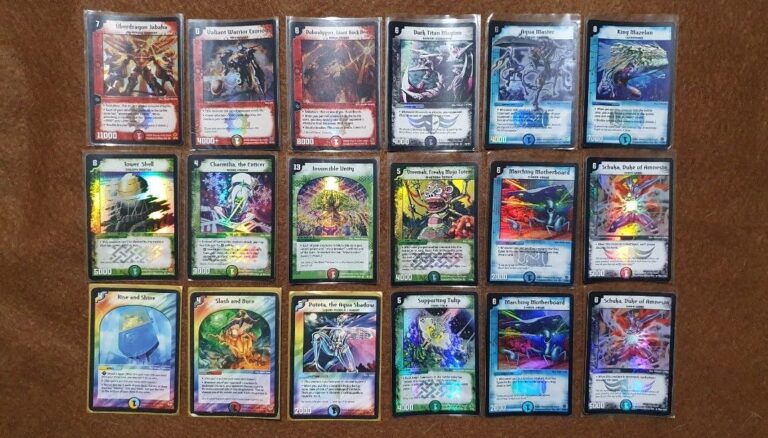
Created in part by the same minds behind Yu-Gi-Oh!, Duel Masters was designed to be a more streamlined and accessible alternative. It was briefly popular in the West but was discontinued, only to continue its reign in Japan, where it remains one of the country’s top-selling card games. Its success is a testament to the longevity of a well-designed game within the Japanese market.
Cardfight!! Vanguard
Origin: Japan (2011)
Publisher: Bushiroad
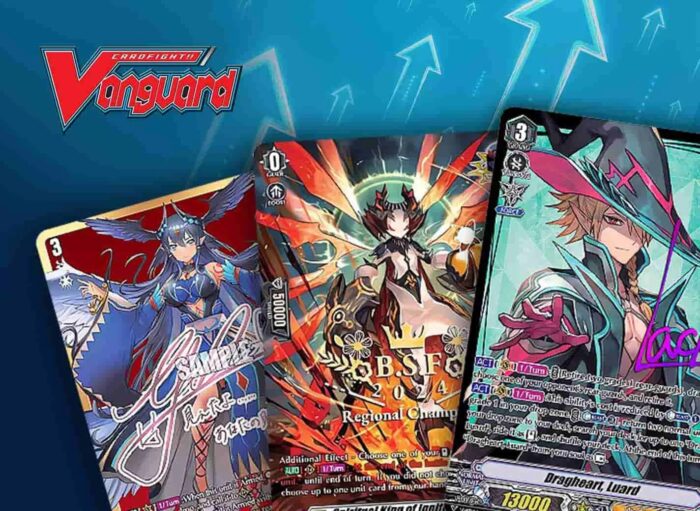
Cardfight!! Vanguard is a unique entry that focuses on a “ride” mechanic, where players progress their main character (“Vanguard”) through different stages of evolution throughout the game. Its popularity is tied to its successful anime series and its emphasis on a fantasy world of warriors and dragons.
Weiß Schwarz
Origin: Japan (2007)
Publisher: Bushiroad
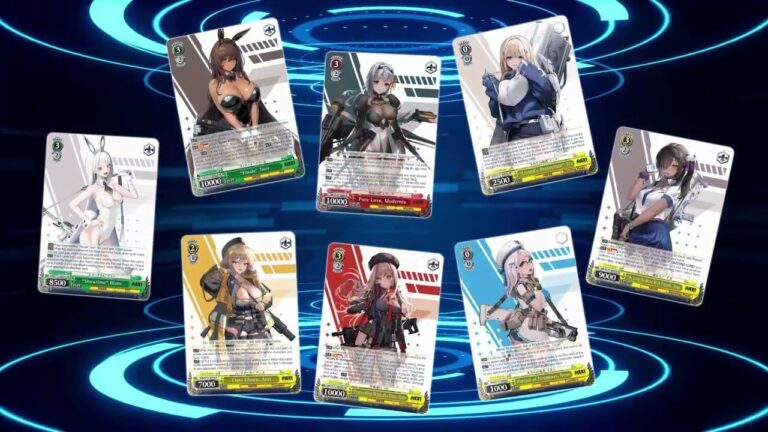
Weiß Schwarz is a TCG built on crossovers. Instead of having its own original IP, the game features characters from hundreds of different anime, manga, and game franchises, including Fate/stay night, Attack on Titan, Love Live!, and Sword Art Online. The game’s appeal lies in being able to build a deck featuring your favorite characters from across all of pop culture. Its rules are complex, but its collector appeal is enormous.
Digimon Card Game
Origin: Japan (2020)
Publisher: Bandai
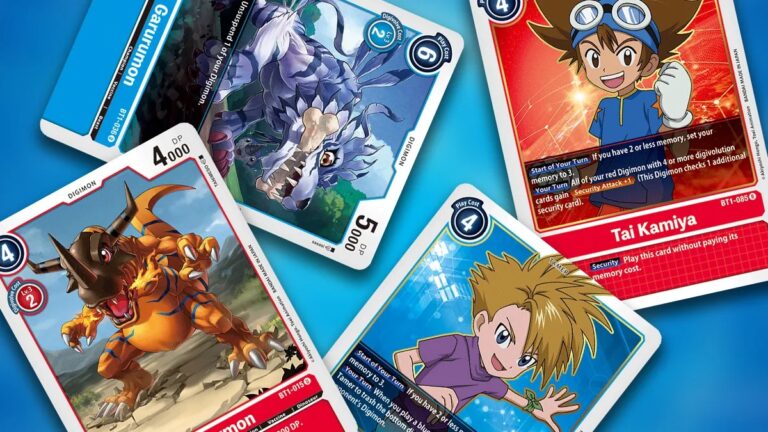
While the Digimon franchise had earlier card games, the current version, launched in 2020, has been a massive success. It revitalized the franchise’s popularity with a modern ruleset that captures the essence of “digivolution,” where players build up their Digimon into more powerful forms over the course of the game.
Dragon Ball Super Card Game
Origin: Japan (2017)
Publisher: Bandai
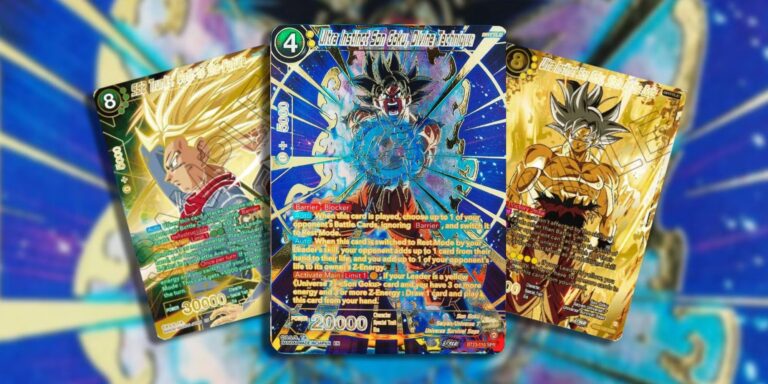
As one of the most iconic anime franchises of all time, Dragon Ball has seen several card games. The current Dragon Ball Super Card Game has been praised for its dynamic, energy-filled gameplay and its stunning card art that captures the high-octane action of the series.
Unique and Niche Japanese TCGs Worth Knowing
This is where the world of Japanese TCGs gets truly fascinating. Beyond the major franchises lie games with unique origins and purposes, often existing only within Japan’s domestic market. These are the hidden gems that dedicated collectors seek out.
Weird and Wonderful: From Wikigacha to Landlady Cards
The creativity of Japanese game developers extends far beyond anime franchises. The country has seen the rise of several truly unconventional card collections.
Released in 2026, Wikigacha is a browser-based game that transforms the entirety of Wikipedia into a TCG.
Using Wikipedia’s “random article” function, players “pull” cards of real-world entries. The card’s attack power (ATK) is based on the article’s page views, and its defense (DEF) is based on its length. The rarity of a card is tied to Wikipedia’s own article quality rating—meaning a “Featured Article” is like pulling a secret rare card. It is a surreal, clever, and deeply Japanese concept that has gone viral.
Tsukuba Landlady Card Game (Tsukuba no Okami-san TCG)
In a remarkable example of a card game designed for regional tourism and community building, the city of Tsukuba in Ibaraki Prefecture created a TCG featuring photographs and data from local innkeepers. The cards were randomly packaged with bags of potato chips and sold for around 200 yen. Their purpose was not just to be a game but to act as a tourism driver, with the cards promoting local hotels and inns. The game proved to be a massive hit, becoming a sought-after collectible and creating new social engagement within the community. This is a fascinating example of a TCG existing outside the traditional hobby space.
Low-Cost TCGs: The 100-Yen Revolution
Japan also has a thriving market for incredibly affordable TCGs. Major retailers like Daiso (a 100-yen shop chain) have released their own ultra-low-cost card games.
Daiso has released several original TCGs, including Chimera. Priced at just 110 yen (about $0.75) for a pre-constructed deck, these games are designed to be simple, fast (with a game time of about 10 minutes), and incredibly accessible. They prove that a full trading card game experience can be created for a fraction of the cost of a mainstream pack.
Another game from the same series, Thousand Monster Battle, features three distinct pre-constructed decks themed around mythological monsters, prehistoric creatures, and traditional Japanese yokai. Despite the low price, the game has dedicated fans who appreciate its simple, quick gameplay and charming theme.
How to Buy Japanese TCG Cards with Rakufun
For those outside Japan, many of these niche TCGs can be difficult to find. Mainstream games like Pokémon and Yu-Gi-Oh! have international distribution, but the unique regional and low-cost games often do not. This is where a proxy service like Rakufun becomes essential.
Rakufun is a proxy shopping platform available as both a website and a mobile app. It connects you directly with Japanese marketplaces like Mercari, Rakuma, Surugaya, SNKRDUNK and YUYU-TEI, allowing you to search for and purchase items as if you were in Japan. The platform charges 0% purchasing fees, so you only pay for the items you buy and the shipping to get them to you.
Here is the step-by-step process for using Rakufun to buy Japanese TCG cards.
Step 1: Find Your Cards
Open the Rakufun app or website. You have two ways to search:
-
Direct Search: Use the built-in search feature on Rakufun’s app or website to browse items directly from partnered Japanese platforms like Mercari, Rakuma, and Surugaya. Search by game name, card name, or series.
-
Link2Buy Method: If you find a specific card or product on a Japanese website that does not ship internationally—such as a specialty retailer or a small shop’s online store—copy the product URL and paste it into Rakufun’s Link2Buy tool. Rakufun will then purchase it on your behalf.
Step 2: Place Your Order
Once you have added the item to your cart, proceed to checkout. Pay for the item and any applicable domestic shipping fees. Rakufun will then purchase the item using their local Japanese address and payment methods.
Step 3: Consolidate Multiple Items
If you are buying cards from multiple sellers or different games, take advantage of Rakufun’s free warehouse storage. All your purchases will be sent to their warehouse. Once everything has arrived, you can request to combine them into a single package. This consolidation feature significantly reduces international shipping costs.
Step 4: Choose Shipping and Receive
Select your preferred international shipping method. Options include economical sea mail for larger orders and express services like DHL or EMS for faster delivery. Rakufun will professionally repack your items to ensure they are secure for the journey, and you can track your package all the way to your doorstep.
Final Thoughts
The world of Trading Card Games is far broader and more diverse than many people realize. While global giants like Pokémon, Magic: The Gathering, and Yu-Gi-Oh! form the backbone of the industry, Japan’s domestic market is a treasure trove of creativity, offering everything from massive anime franchises to innovative, low-cost games and even community-driven tourism projects turned into collectibles.
Whether you are a competitive player looking for the latest meta-defining card, a collector hunting for a rare promotional card, or simply a curious fan wanting to explore a niche game like Thousand Monster Battle, there is a TCG for you in Japan.
With Rakufun, accessing this vast and unique market is simpler than ever. The platform bridges the gap between Japanese retailers and international fans, allowing you to search, purchase, and consolidate your finds with ease.
What is your favorite TCG? Have you ever discovered a niche Japanese card game? Share your experiences in the comments below.
ALSO READ: What’s TCG?
Rakufun simplifies Japanese proxy shopping and global shipping, your all-in-one app for a seamless, fee-free experience:https://blog.rakufun.com/how-many-tcgs-do-you-really-know-a-tour-of-japans-card-game-world/