
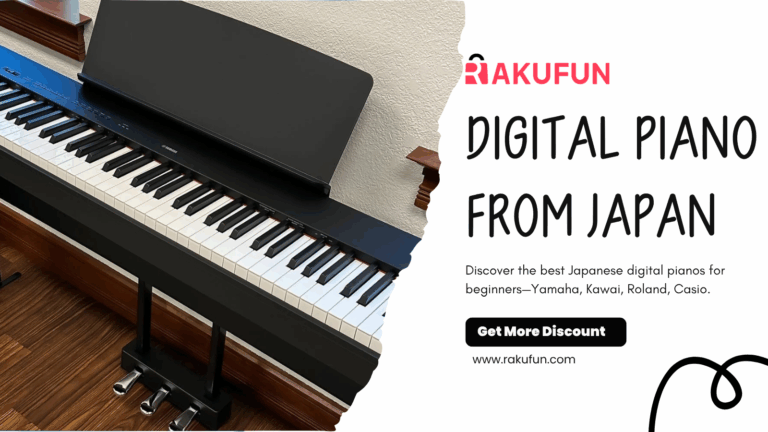
Choosing a first digital piano is an important decision. The instrument you start with can shape how you practice, how you develop technique, and how much you enjoy learning. For beginners, the balance between quality and affordability matters—and Japanese brands have long been trusted for delivering exactly that.
Yamaha, Kawai, Roland, and Casio dominate the entry-level digital piano market for good reasons. They combine decades of acoustic piano craftsmanship with digital innovation, offering instruments that feel close to traditional pianos while providing modern features that support learning. This guide introduces the best Japanese digital pianos for beginners, explains what to look for, and shows how to purchase them using Rakufun.
Table of Contents
What Beginners Should Look For in a Digital Piano
When shopping for your first digital piano, certain features matter more than others. Here are the key factors to prioritize:
Weighted Hammer Action: This is arguably the most important feature for beginners. Weighted keys simulate the resistance of an acoustic piano, helping develop proper finger strength and technique. Look for terms like “graded hammer action” or “responsive hammer” in product descriptions.
88 Full-Size Keys: While smaller keyboards exist, a full 88-key instrument is essential for learning standard repertoire. It ensures you won’t outgrow the instrument as your skills progress.
Authentic Sound Engine: Quality digital pianos sample sound from real concert grand pianos. Yamaha uses CFX samples, Kawai uses Shigeru Kawai SK-EX samples, and Roland uses SuperNATURAL technology. These deliver richer, more expressive sound.
Polyphony: This refers to how many notes can sound simultaneously. For beginners, 64-note polyphony is acceptable, but 128 or higher is better for more complex pieces with sustain pedal use.
Connectivity: Bluetooth MIDI and USB connectivity allow connection to learning apps like Simply Piano, Skoove, or Tomplay. This makes practice more engaging and interactive.
Headphone Output: Essential for practicing without disturbing others. A good headphone jack with a quiet action makes late-night practice possible.
Built-in Learning Features: Metronomes, recorders, and lesson functions help beginners track progress and maintain steady timing.
Recommended Japanese Digital Pianos for Beginners
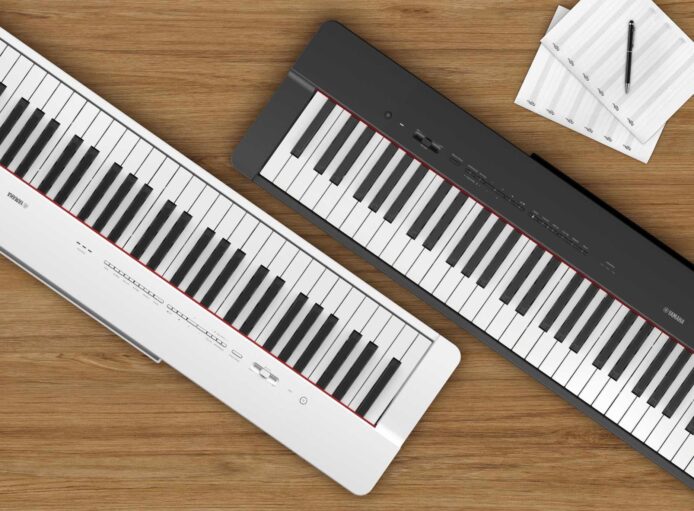
Yamaha P-145 / P-225
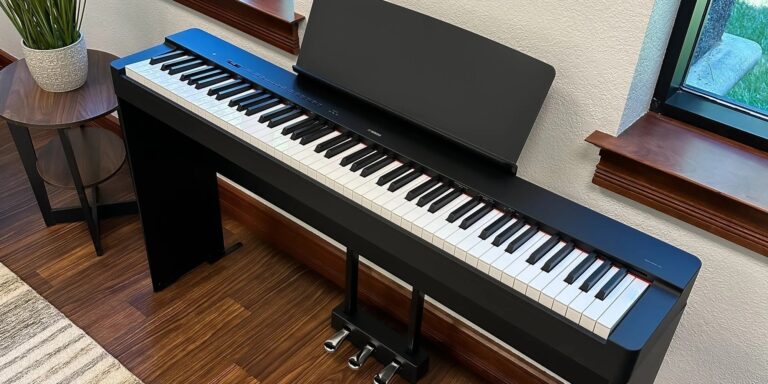
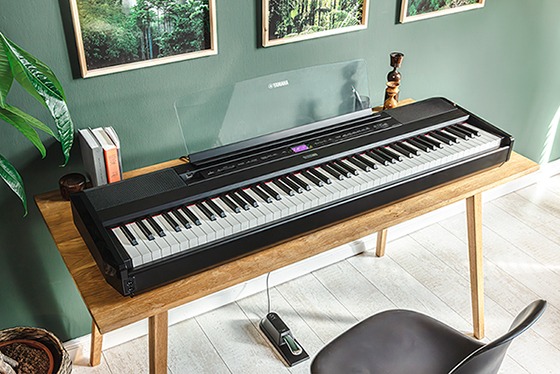
The Yamaha P-series has been a favorite among beginners for years. The P-145 is the more affordable entry point, while the P-225 offers upgraded sound and features.
Key Features:
-
Graded Hammer Compact (GHC) keyboard action for natural touch
-
88-key full-size keyboard
-
CFX concert grand piano sound sampling
-
Lightweight and portable design
-
Support for Yamaha’s Smart Pianist app
Why It Works for Beginners: The P-145 provides authentic piano feel at a very accessible price point. The P-225 adds more detailed sound and better speaker output for those who anticipate long-term use. Both models are compact enough for small spaces and easy to move.
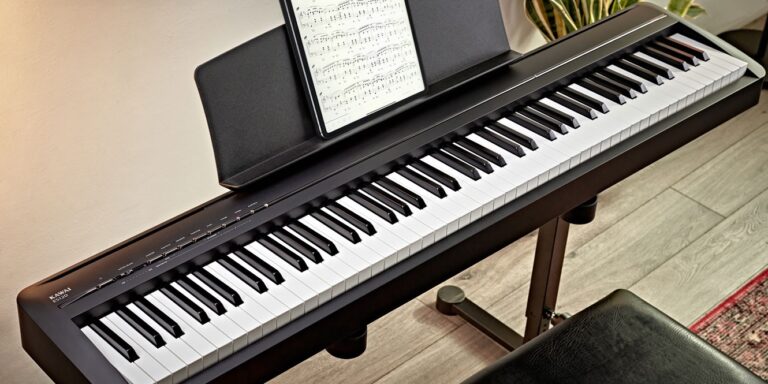
Kawai ES120
The Kawai ES120 is widely praised for its keyboard action. Many piano teachers recommend it because the touch feel closely resembles that of an acoustic piano.
Key Features:
-
Responsive Hammer Compact (RHC) keyboard action
-
Harmonic Imaging sound technology with SK-EX concert grand samples
-
192-note polyphony
-
Bluetooth MIDI connectivity
-
Lightweight and portable
Why It Works for Beginners: The ES120’s keyboard action is often described as the most realistic in its price range. It helps beginners develop proper technique without the adaptation issues sometimes associated with lighter actions. The instrument is also designed to grow with the player—it remains a capable practice instrument for intermediate and even advanced players.
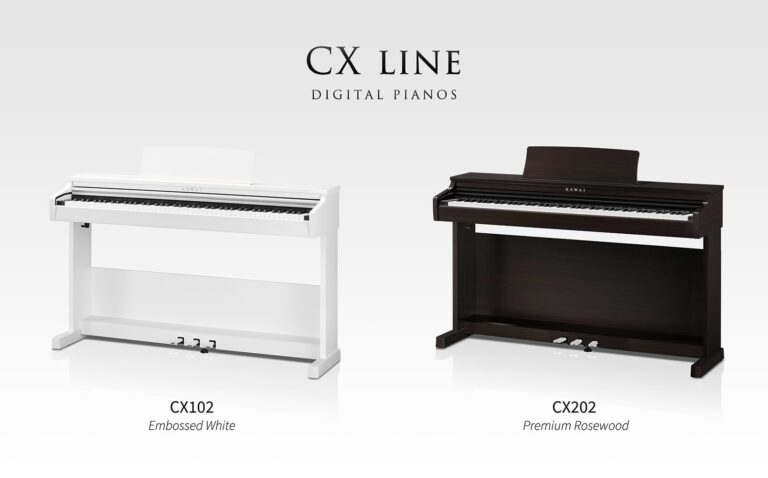
Kawai CX102 / CX202
Released in 2025, the CX series represents Kawai’s latest entry-level lineup. These models incorporate technology from higher-end instruments at more accessible prices.
Key Features:
-
CX102: Responsive Hammer Lite (RHL) keyboard action
-
CX202: Responsive Hammer Compact II (RHCII) action with triple-sensor system
-
Authentic Shigeru Kawai SK-EX concert grand piano sounds
-
Bluetooth MIDI and USB-MIDI connectivity
-
Built-in metronome, recorder, and lesson functions
-
Low Volume Balance feature for quiet practice
Why It Works for Beginners: The CX series is specifically designed for beginners and families. The keyboard actions are engineered to support proper finger strength development without being overly heavy. Bluetooth connectivity allows easy pairing with learning apps, and the Low Volume Balance feature ensures the sound remains natural even at low volumes—ideal for apartment living.
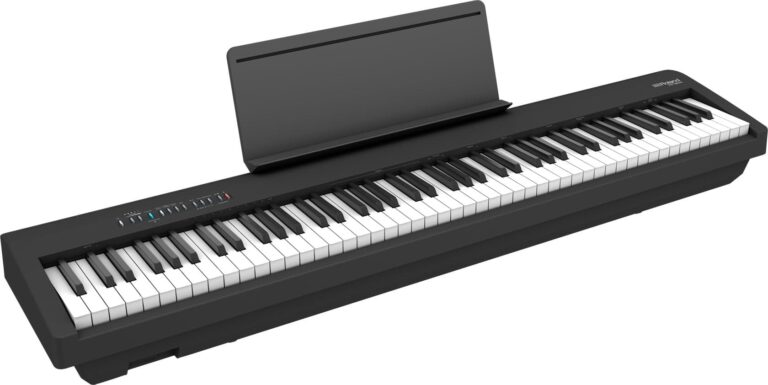
Roland FP-30X
The Roland FP-30X has become one of the most popular entry-level digital pianos globally. It balances excellent action, powerful speakers, and modern connectivity.
Key Features:
-
PHA-4 Standard keyboard action with escapement simulation
-
SuperNATURAL sound engine
-
256-note polyphony
-
Bluetooth MIDI and Bluetooth Audio connectivity
-
Two 11W speakers (more powerful than most entry models)
Why It Works for Beginners: The FP-30X’s keyboard action is highly regarded for its realistic feel. The built-in speakers are significantly louder than those on most entry-level pianos, making the instrument suitable for both practice and small performances. Bluetooth Audio allows playing along with streaming music—a feature many beginners appreciate.
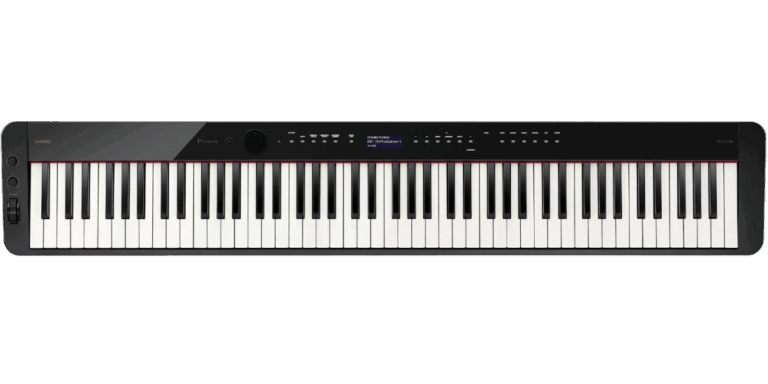
Casio PX-S3100
For beginners with limited space, the Casio PX-S3100 stands out. It is one of the slimmest 88-key digital pianos available while still offering weighted keys and full functionality.
Key Features:
-
Smart Scaled Hammer Action keyboard
-
AiR sound engine with multi-dimensional morphing
-
192-note polyphony
-
Built-in rhythm and accompaniment features
-
Bluetooth MIDI connectivity
-
Ultra-slim and lightweight design
Why It Works for Beginners: The PX-S3100 is ideal for those with space constraints. It can sit on a desk or be stored in a closet when not in use. While the keyboard action is slightly lighter than some competitors, it remains fully weighted and supports proper technique development. The built-in rhythm section also adds variety to practice sessions.
Where to Buy Japanese Digital Pianos Online
Japanese digital pianos are available through several online channels, but international shipping is rarely offered directly. Here are the main sources:
Digimart: Japan’s largest musical instrument marketplace, featuring over 600,000 items from more than 500 stores nationwide. The site is in Japanese, but proxy services can handle purchases.
Ishibashi Music: A major instrument retailer with an extensive online presence and strong selection of digital pianos.
Rakuten: Japan’s largest e-commerce platform, with many music stores operating shops.
Yodobashi Camera and Bic Camera: Major electronics retailers with large music departments and reliable online stores.
JDirectItems Auctions (Yahoo! Japan Auctions) and Mercari: Second-hand marketplaces where lightly used instruments can be found at significant discounts.
Many of these retailers do not ship outside Japan, which is where a proxy service becomes necessary.
How to Purchase with Rakufun
Rakufun is a proxy shopping platform available as both a website and a mobile app. It connects you with Japanese marketplaces and stores, handling domestic purchases and international shipping. The platform charges 0% purchasing fees—you pay only for items and shipping.
Step 1: Find Your Digital Piano
You have two ways to search:
Direct Search: Use Rakufun’s built-in search to browse items from partnered platforms like Mercari, Rakuma, and Surugaya. Search by brand and model—for example, “Yamaha P-145” or “Kawai ES120.”
Link2Buy Method: If you find a digital piano on a Japanese website that does not ship internationally—such as Digimart, Ishibashi—copy the product URL and paste it into Rakufun’s Link2Buy tool. The system will populate product details, allowing you to confirm price and specifications before ordering.
Step 2: Place Your Order
Add the piano to your cart and check out. Pay for the piano and any domestic shipping fees. Rakufun handles the purchase using their local Japanese address and payment methods.
Step 3: Consolidate Multiple Items
If you are purchasing accessories alongside the piano—like a bench, headphones, or a pedal unit—take advantage of 90-days free warehouse storage. Rakufun holds your items, and once everything arrives, you can combine them into one shipment. This reduces international shipping costs compared to sending items individually.
Step 4: Choose Shipping and Receive
Select your preferred international shipping method. Digital pianos are large and heavy, so economical sea mail is often the most cost-effective choice, though it can take several weeks. Express services like DHL or EMS are faster but more expensive. Rakufun repacks items carefully and ships them to your address.
Important Considerations Before Buying
Voltage and Power Compatibility: Japan uses 100V electrical systems. If you are in a country with 110V–120V (such as the US) or 220V–240V (such as Europe or Australia), you may need a step-down transformer for safe operation. Check the piano’s voltage specification before purchase.
Shipping Costs: Digital pianos are bulky. Entry-level models typically weigh 12–15 kg (26–33 lbs) without a stand, and shipping costs can be substantial. Consolidating multiple items into one shipment helps, but it is worth factoring shipping into the total budget.
Warranty Considerations: Digital pianos purchased through proxy services may not carry manufacturer warranties outside Japan. Some brands offer international coverage on certain models, but it is best to assume service will be handled locally. For this reason, buying new rather than second-hand can provide peace of mind.
Second-Hand Options: Japanese second-hand instruments are often in excellent condition. Many owners treat their equipment carefully, and professional retailers like Ishibashi and Digimart grade items conservatively. If you are comfortable with the condition descriptions, buying used can offer significant savings.
Space Requirements: Confirm the dimensions of the piano before ordering. While many entry-level models are portable, they still require dedicated space. If you are purchasing a stand separately, verify that it fits the model.
Final Thoughts
Choosing a first digital piano is about finding the right balance between quality, feel, and budget. Japanese brands like Yamaha, Kawai, Roland, and Casio have built their reputations over decades, and their entry-level models reflect that experience. The Yamaha P-145 offers reliable performance at a competitive price. The Kawai ES120 provides exceptional keyboard action that supports proper technique. The Roland FP-30X delivers powerful speakers and modern connectivity. And the Casio PX-S3100 is ideal for those with space constraints.
For those outside Japan, accessing these instruments requires navigating a market that does not always cater to international buyers. Rakufun provides a straightforward solution. The Link2Buy feature allows purchase from any Japanese website, and the consolidation service makes shipping economical.
With the right instrument and a reliable proxy service, your first digital piano can be a companion for years of learning and enjoyment.
Are you considering a Japanese digital piano? What features matter most to you? Sharing your thoughts helps others make informed choices as well.
Rakufun simplifies Japanese proxy shopping and global shipping, your all-in-one app for a seamless, fee-free experience:https://blog.rakufun.com/how-to-choose-a-japanese-digital-piano/