
How about Buying TCG Cards on Japan’s Second-Hand Platforms?
If you have spent any time in trading card game communities, you have likely heard about the Japanese second-hand market. Whether it is Pokémon, Yu-Gi-Oh!, One Piece, or Magic: The Gathering, collectors and players often point to Japan as a source for cards that are harder to find elsewhere—sometimes at better prices, sometimes in better condition, sometimes in exclusive versions that never saw international release.
But buying cards from Japan is not the same as ordering from a local shop. There are different platforms, different expectations around condition, different shipping considerations, and a marketplace culture that rewards patience and careful attention. This guide walks through what you need to know before buying TCG cards from Japanese second-hand platforms, and how to do it with confidence.
Why Japanese Second-Hand Platforms Attract Collectors
Volume of inventory: Japan has a dense and active trading card market. New sets sell in high volume, which means singles and sealed products appear on second-hand platforms quickly and in large numbers. For recent sets, supply can be abundant.
Condition standards: Japanese sellers generally grade conservatively. A card described as “used but good condition” often arrives looking near-mint by international standards. Many sellers provide clear photographs and detailed notes about any imperfections.
Japan-exclusive cards: Some cards are released only in Japanese, whether as promotional items, event exclusives, or special printings. For collectors seeking these versions, the Japanese market is the only source.
Competitive pricing: Depending on exchange rates and the specific card, prices on Japanese platforms can be significantly lower than international equivalents. This is particularly true for mid-tier singles and bulk lots.
However, there are also risks and complexities. Understanding them is essential.
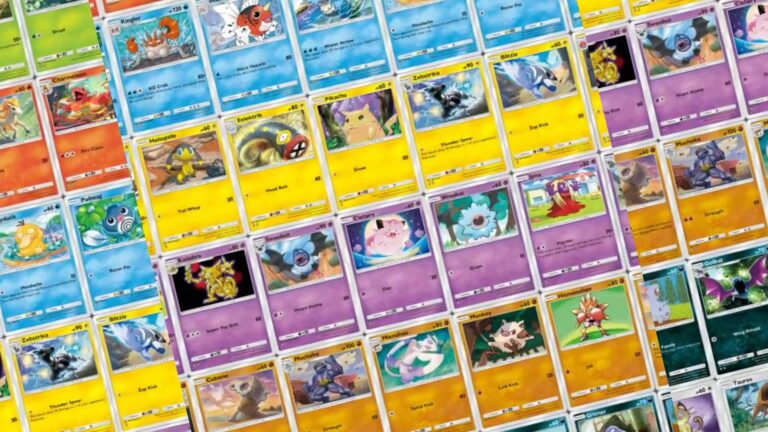
Major Japanese Platforms for TCG Cards
Mercari (メルカリ)
Mercari is Japan’s largest flea market app, with over 20 million users. It functions similarly to a combination of eBay and a peer-to-peer marketplace. Individual sellers list cards, and buyers purchase directly. Mercari is a good place to find both recent singles and older cards, with a wide range of price points.
What to watch for: Seller ratings matter. A seller with hundreds of positive reviews is generally reliable. Look for listings with clear photographs of the actual card—not stock images—and descriptions that specify condition. Mercari also features Mercari Shops, which are official stores operated by Japanese companies like Mandarake and STYLE NEW STAR that offer guaranteed authenticity.
Why use it: Largest selection, competitive prices, and the ability to filter for official shops.
Rakuma (ラクマ)
Rakuma (formerly Fril) is another popular flea market app operated by Rakuten. It tends to have a slightly different seller base, with a stronger presence in fashion and lifestyle goods, but also a significant TCG market. Rakufun is an official partner of Rakuma, making purchases through the platform straightforward.
Why use it: Often less competitive bidding than Mercari, good for finding deals.
JDirectItems Auctions (Yahoo! Japan Auctions) (ヤフオク!)
For rare cards, limited editions, or items that do not appear frequently on fixed-price platforms, Yahoo! Japan Auctions is often the place to look. This is Japan’s largest auction platform, with a history dating back decades. The auction format means final prices can vary widely, but for desirable cards, it is where many collectors go.
What to watch for: Auction timing matters. Ending times, bid increments, and sniper bids are all factors. Proxy services allow you to set maximum bids. Many listings are posted by professional sellers who specialize in TCG, providing detailed condition notes.
Why use it: Access to rare and collectible cards not found elsewhere; potential for bargains if you time bids carefully.
Surugaya (駿河屋)
Surugaya is a professional second-hand retailer with a massive online presence specializing in anime, manga, games, and TCG. Unlike Mercari or Rakuma, which are individual sellers, Surugaya is a business that buys and resells cards. They grade items internally and provide condition descriptions.
What to watch for: Surugaya charges a handling fee of 240 yen on orders under 5,000 yen. Shipping can be slow—often 7–12 days before dispatch—and packaging can be oversized, increasing international shipping costs. However, the consistency of grading and the return policy (within Japan) provide a level of assurance.
Why use it: Professional grading, extensive inventory, and reliable for second-hand anime and game goods.
SNKRDUNK
SNKRDUNK is a specialized platform focused on sneakers, streetwear, and trading card games. What sets it apart is its professional authentication system. Every card or sealed product sold through SNKRDUNK is sent to their verification center before being shipped to the buyer. Items are inspected by trained authenticators, and authenticated items receive a branded seal.
What to watch for: Prices may be slightly higher due to the authentication service, but the guarantee of authenticity is valuable for high-value cards.
Why use it: Built-in authentication, ideal for expensive singles and sealed products. Particularly strong for Pokémon, Yu-Gi-Oh!, and One Piece TCG.
Mandarake (まんだらけ)
Mandarake is one of Japan’s largest retailers specializing in used manga, doujinshi, figures, anime goods, and game cards. They have physical locations across Japan and a robust online store. Mandarake also operates official shops within Mercari, providing the same rigorous quality checks.
What to watch for: Mandarake is known for strict quality grading and detailed condition notes. They are particularly strong for vintage cards and rare collectibles.
Why use it: Expert appraisal, rare and out-of-print items, and transparent pricing.
Book Off / Hard Off / Hobby Off Series
These three chains are part of the same company and operate both physical stores and online marketplaces. Book Off focuses on books and media but also carries games and cards. Hard Off specializes in electronics and hardware, while Hobby Off handles collectibles including trading cards.
What to watch for: Online inventory varies by location, but the brand is trusted for consistent quality grading.
Why use it: Reliable chain with standardized grading, good for finding bulk lots and mid-tier cards.
Platform Comparison at a Glance
| Platform | Type | Key Strength | Considerations |
|---|---|---|---|
| Mercari | C2C | Largest selection, Mercari Shops available | Check seller ratings carefully |
| Rakuma | C2C | Less competition, good deals | Similar to Mercari |
| Yahoo! Auctions | C2C Auction | Rare finds, collectibles | Requires bidding, timing matters |
| Surugaya | B2C | Professional grading, deep inventory | Slow shipping, handling fee |
| SNKRDUNK | B2C with auth | Built-in authentication | Higher prices for verification |
| Mandarake | B2C | Expert appraisal, rare items | More expensive for common cards |
| Book Off/Hard Off | B2C | Chain reliability, standardized grading | Online selection varies |
Understanding Condition on Japanese Platforms
Condition descriptions vary by seller, but certain terms appear frequently.
| Term | Meaning |
| 美品 (bihin) | Excellent condition. Minimal to no visible wear. Often indistinguishable from new. |
| 良品 (ryohin) | Good condition. Some signs of handling, possibly minor edge wear or surface marks. |
| 使用感あり (shiyoukan ari) | Signs of use. Visible wear consistent with being played or handled. |
| 傷あり (kizu ari) | Damage present. Specific flaws like scratches, dents, or creases are usually noted. |
| 未使用 (mishiyou) | Unused. The card has not been played, but may have storage marks. Often equivalent to near-mint. |
| ジャンク品 (junk) | Sold as-is. Significant damage or condition issues. Only for buyers willing to accept risk. |
For valuable cards, many sellers provide photographs that show the card surface, edges, and corners. If photographs are not included or are unclear, it is reasonable to ask for them before purchasing.
Common Risks and How to Avoid Them
-
Stock Photos Instead of Actual Card Images
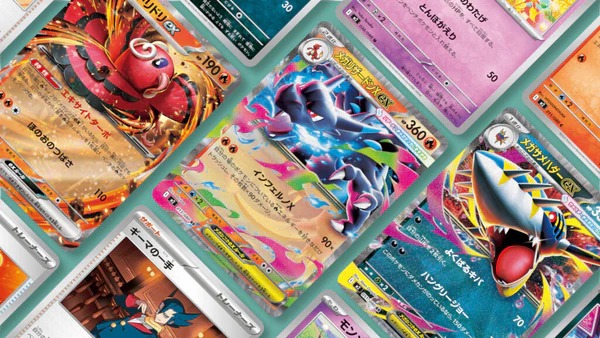
Some listings use stock images rather than photographs of the actual card. This is more common for lower-value cards or for sellers moving large volumes. For high-value cards, listings with stock photos should be approached with caution.
How to avoid: Look for listings with clear, original photographs showing the card from multiple angles. For expensive cards, request actual photos through Rakufun’s notes field before committing.
-
Unclear Condition Notes or Hidden Flaws
A listing that says “used” without further detail leaves room for interpretation. Some sellers may mention “small scratches” in Japanese text that is easy to miss if you do not read the language carefully.
How to avoid: Read the entire description. Use translation tools to understand every line. If the description is unusually short or vague, consider skipping the listing.
-
The “New Unopened” Trap
Listings marked “new unopened” (新品未開封) for booster boxes or packs can be risky because there is no way to verify the contents without opening them. Some sellers may reseal products.
How to avoid: Buy from sellers with extensive positive history. For sealed products, consider professional retailers like Surugaya or SNKRDUNK where authenticity is verified.
-
Suspiciously Low Prices
If a card is priced significantly below market value—sometimes 30–50% lower—there is likely a reason. It could be a counterfeit, a damaged card with unreported flaws, or a scam.
How to avoid: Compare prices across multiple listings. If a deal seems too good to be true, it probably is.
-
New or Low-Rating Sellers
Sellers with no transaction history or very few reviews present higher risk. Scammers often create new accounts to list high-value items at attractive prices.
How to avoid: Filter for sellers with high ratings (98% or above) and a history of card sales. Look for Mercari Shops or sellers with “古物商” (licensed antique dealer) certification for added security.
-
“Welcome Proxy Buyers” Warnings
Some listings explicitly state “welcome proxy buyers” in English. These can be traps where the seller hides conditions like “box only” or “contents not included” in fine print.
How to avoid: Read the full description carefully. If a listing includes multiple languages, be extra cautious.
-
Non-Cancelable Orders
Most Japanese platforms, including Surugaya, do not accept cancellations after payment. Once you place an order, it is final.
How to avoid: Double-check everything—condition, quantity, price—before submitting. Use Rakufun’s notes field to confirm details if you are uncertain.
Practical Tips for Buying TCG Cards
Start with Smaller Purchases
If you are new to buying from Japanese second-hand platforms, consider making a few smaller purchases first. This allows you to get familiar with the process, shipping times, and condition expectations without significant risk.
Check Seller Reputation Thoroughly
On Mercari and Rakuma, seller ratings are displayed prominently. Look for sellers with:
-
98% or higher positive rating
-
50+ completed transactions
-
Recent activity (not dormant accounts)
-
Reviews mentioning TCG or card sales specifically
For Mercari Shops, look for official store badges and company information.
Use Photo Verification for High-Value Cards
For cards where condition is critical—such as vintage cards or high-grade modern cards—Rakufun offers a photo verification service. Requesting photographs of the actual card before international shipping can provide peace of mind.
Understand Platform-Specific Rules
-
Surugaya: Expect slow shipping (7–12 days) and a handling fee on orders under 5,000 yen
-
Mercari/Rakuma: No standard return policy; purchases are final
-
Yahoo! Auctions: Bids are binding; sniper bids are common
Factor in All Costs
When comparing prices, account for:
-
Card cost
-
Domestic shipping fees (often 200–500 yen per seller)
-
Platform fees (Surugaya’s 240 yen handling fee under 5,000 yen)
-
International shipping (consolidated shipments reduce per-card cost)
-
Proxy service fees (Rakufun charges 0% purchasing fee)
Consolidate Multiple Purchases
Using a proxy service’s consolidation feature allows you to combine multiple purchases into one international shipment. This is particularly useful when buying cards from different sellers or platforms. Rakufun offers free warehouse storage, so you can accumulate items over time and ship them together.
Understand Customs and Import Duties
For many countries, the de minimis threshold for import duties is around $800 (US) or lower elsewhere. Cards typically do not face restrictions, but check your country’s regulations before ordering.
Be Patient with Shipping
Domestic shipping within Japan is fast (2–4 days), but international shipping times vary. Express options like DHL or EMS take 3–7 days; sea mail can take 4–8 weeks but costs significantly less.
How to Purchase TCG Cards with Rakufun
Rakufun is a proxy shopping platform available as both a website and a mobile app. It connects you with Japanese marketplaces and stores, handling domestic purchases and international shipping. The platform charges 0% purchasing fees—you pay only for items and shipping.
Step 1: Find Your Cards
You have two ways to search:
-
Direct Search: Use Rakufun’s built-in search to browse items from partnered platforms like Mercari, Rakuma, and Surugaya. Search by card name, set, or series.
-
Link2Buy: If you find a card on a Japanese website that does not ship internationally—such as Book Off or Hobby Off—copy the product URL and paste it into Rakufun’s Link2Buy tool. Rakufun will purchase it on your behalf.
Step 2: Place Your Order
Add the item to your cart and check out. If you have questions about condition, packaging, or availability, add them in the notes field. Pay for the item and any domestic shipping fees.
Step 3: Consolidate Multiple Items
If you are buying cards from different sellers or platforms, take advantage of free warehouse storage. Rakufun holds your items, and once everything arrives, you can combine them into one shipment. This is especially helpful for cards, which are small and lightweight, allowing many purchases to ship together economically.
Step 4: Choose Shipping and Receive
Select your shipping method—economical sea mail for larger orders or express services like DHL or EMS for faster delivery. Rakufun repacks items carefully and ships them to your address.
Is It Worth It?
For many collectors, the answer is yes. The combination of competitive pricing, access to Japan-exclusive cards, and generally reliable sellers makes the Japanese second-hand market a valuable resource. However, it requires patience, attention to detail, and a willingness to navigate a process that is different from buying locally.
The cards that make the most sense to buy from Japan are often:
-
Japan-exclusive promotional cards
-
Singles from recent sets where domestic supply is high
-
Older cards that are harder to find in other markets
-
Lots or collections that offer better value than individual purchases
-
Cards that benefit from Japan’s stringent condition grading standards
For cards that are widely available locally, the added shipping costs may not justify the effort. Knowing what you are looking for—and whether it genuinely benefits from the Japanese market—helps make the process worthwhile.
Final Thoughts
Buying TCG cards from Japanese second-hand platforms is a practical way to access a deep and well-maintained market. Platforms like Mercari offer the largest selection, while specialized services like SNKRDUNK provide authentication for high-value purchases. Professional retailers like Surugaya and Mandarake offer consistency, and Yahoo! Auctions remains the go-to for rare finds.
With careful attention to listings, seller reputation, and condition descriptions, collectors can find cards that are difficult or expensive to source elsewhere. Understanding platform-specific rules—such as Surugaya’s slow shipping and handling fee—helps set realistic expectations.
Rakufun provides a straightforward way to navigate this market. By handling domestic purchases, offering consolidation to reduce shipping costs, and providing tools like Link2Buy for accessing non-integrated sites, it removes many of the barriers that previously made Japanese TCG shopping complicated.
For those willing to learn the process, the Japanese second-hand market offers genuine value—not just in price, but in the range of cards available and the care with which they are described and shipped.
Have you bought TCG cards from Japanese second-hand platforms? What platforms do you prefer? Sharing experiences helps others navigate the process as well.
Rakufun simplifies Japanese proxy shopping and global shipping, your all-in-one app for a seamless, fee-free experience:https://blog.rakufun.com/how-about-buying-tcg-cards-on-japans-second-hand-platforms/