
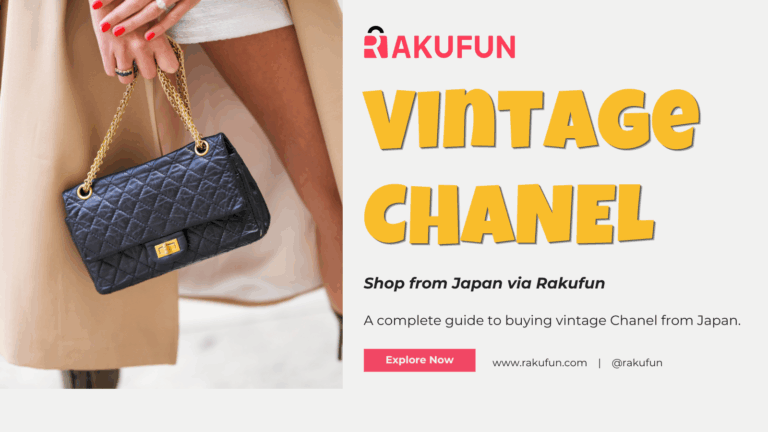
Vintage CHANEL items — such as classic flap bags, 2.55 styles, tweed jackets, and accessories — attract collectors for their craftsmanship, materials, and enduring design appeal. Japan’s second-hand luxury market is often noted for the careful maintenance many owners apply to high-end pieces, resulting in items that frequently arrive in strong condition with detailed seller documentation.
Japanese consumers are known for treating designer items with exceptional care—often storing them properly, using them sparingly, and reselling them in excellent condition. Add to this a culture of meticulous grading and a legal framework that requires second-hand dealers to hold official licenses, and you have a market that offers genuine treasures to those who know where to look.
This guide walks through the landscape of buying vintage Chanel from Japan—the reputable sellers, the condition terms to understand, the risks to watch for, and how to use Rakufun, a Japan proxy service, to bring your find home.
Table of Contents
Why Choose Japan for Vintage Chanel?
Japan’s vintage luxury market has earned its reputation through several distinct advantages.
Exceptional Condition. Japanese sellers grade conservatively. A bag described as “good condition” in Japan often arrives looking far better than similarly described items from other markets. The cultural habit of treating luxury goods as heirlooms means many pieces have been stored carefully and used sparingly.
Strict Authentication Standards. Japan requires second-hand dealers to hold an “antique license” issued by the Metropolitan Police Department. Licensed dealers must follow strict regulations, and the market’s long history with luxury goods has produced a generation of skilled authenticators.
Access to Rare Pieces. Because the Japanese market has been buying and preserving luxury goods for decades, pieces that have become scarce elsewhere—particularly 1980s–1990s Chanel with gold-plated hardware, unique limited editions, and discontinued models—still surface in Japan with relative regularity.
Competitive Pricing. Depending on exchange rates and the specific model, vintage Chanel in Japan can be priced more favorably than in Western markets. This is particularly true for mid-range vintage pieces and seasonal colors that may be less sought after in the domestic market.
Must-Have Vintage Chanel Pieces Worth Seeking
Classic Flap Bag with 24K Gold-Plated Hardware
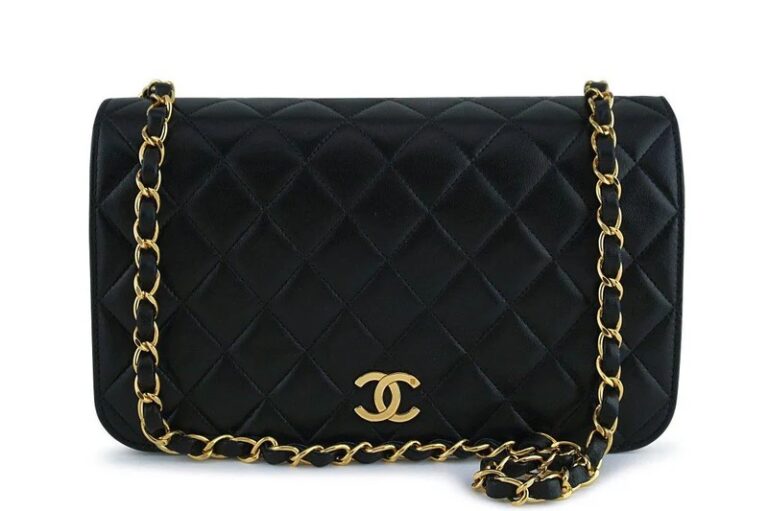
The Classic Flap Bag from the 1980s–1990s is perhaps the most iconic vintage Chanel piece. What distinguishes these from modern versions is the 24K gold-plated hardware—thicker, warmer in tone, and considerably more durable than contemporary gold-tone metal. The craftsmanship from this era is often cited as superior, with heavier leather and more precise stitching.
Vintage Classic Flaps come in sizes ranging from the mini (often called the “square mini”) to the jumbo. The medium (approximately 25cm) is the most versatile and commonly sought.
2.55 Reissue
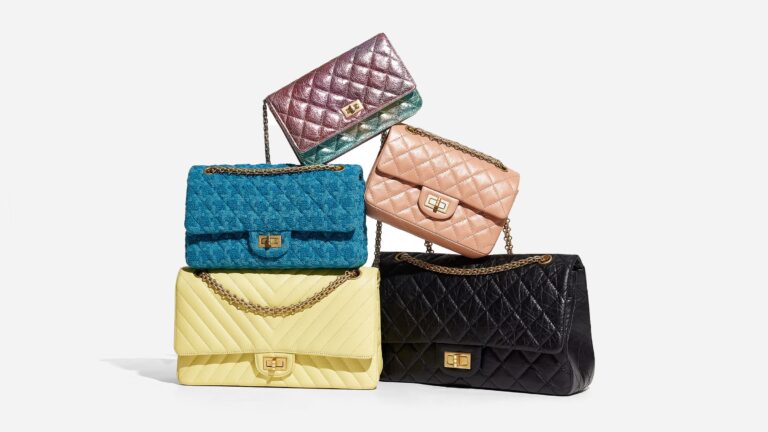
The 2.55, originally designed by Coco Chanel herself in 1955, represents the brand’s heritage in its purest form. Vintage 2.55 bags are distinguished by the “Mademoiselle” turnlock (a rectangular push-lock) and a chain strap woven through leather. The vintage versions from the 1980s–1990s offer the same design codes as the original but with the durability of later-era craftsmanship.
Boy Flap Bag (Early Generations)
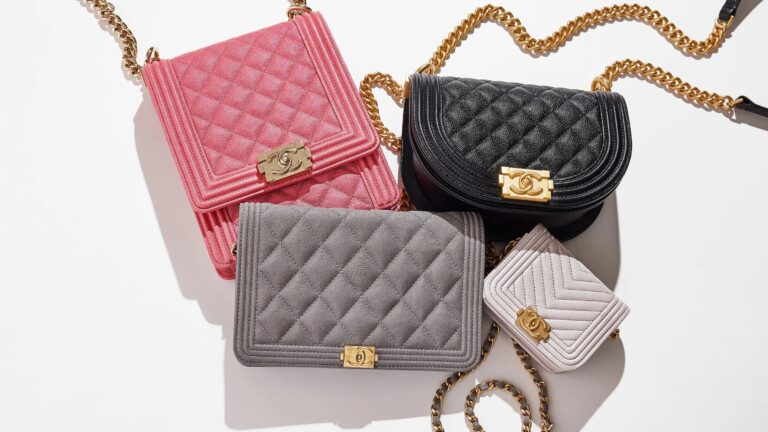
The Boy Flap Bag was introduced in 2011 and quickly became a modern classic. Early generation Boy bags—particularly those from the first few years of production—have developed their own following among vintage collectors. The chunky chain and structured silhouette offer a different aesthetic from the Classic Flap.
Vintage Tote Bags
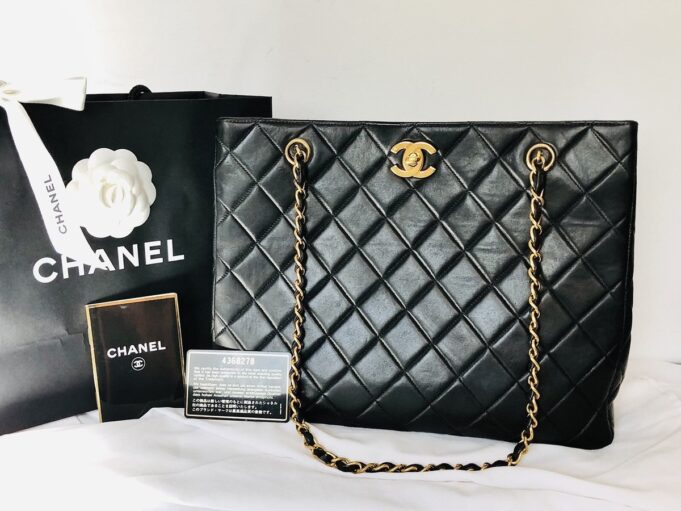
For those seeking something less formal, vintage Chanel totes from the 1990s and early 2000s offer a more casual entry point. The Chanel Deauville Tote in canvas with leather trim and the Cabas Tote in quilted leather are both popular. These pieces often have more generous capacity and can be found at lower price points than flap bags.
Seasonal and Limited-Edition Pieces
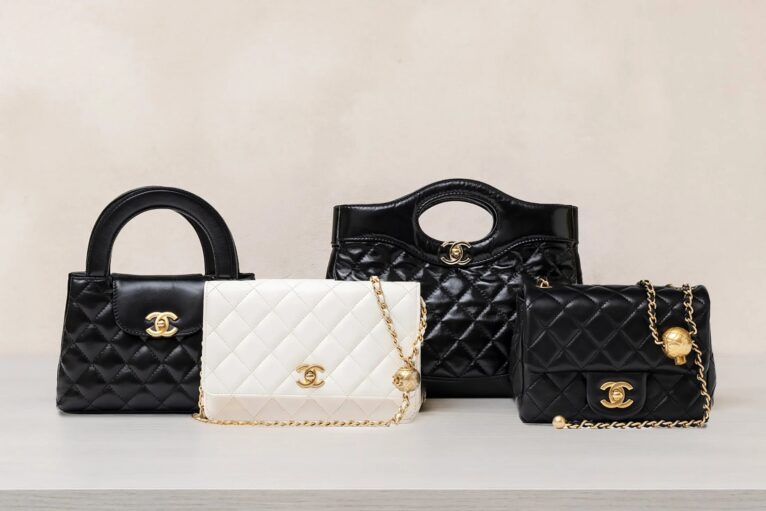
One of the appeals of the Japanese vintage market is the availability of seasonal colors and limited editions that never saw widespread release. Shades like deep burgundy (“bordeaux”), forest green, and navy—colors that appear in seasonal collections but rarely in core lines—surface regularly on Japanese platforms. Similarly, limited-edition pieces from anniversary collections or special collaborations appear with surprising frequency.
Popular Japanese Platforms for Vintage CHANEL
Several online marketplaces and second-hand retailers in Japan regularly list pre-owned CHANEL pieces. Here are some frequently referenced options:
-
Mercari Japan: One of Japan’s largest C2C marketplaces. It features a wide variety of individual seller listings for vintage bags, jackets, and accessories. Listings often include multiple photos and condition notes, but inventory moves quickly.
-
Surugaya: A well-established second-hand chain specializing in luxury and collectible items. It offers curated selections of pre-owned designer goods, including CHANEL, with stores across Japan and an online presence. Many items come with detailed condition reports.
-
JDirectItems Auctions (Yahoo Auctions): Auction-style platform where sellers list items for bidding or fixed prices. Vintage CHANEL pieces appear regularly, sometimes at competitive starting prices, though winning bids require timing and monitoring.
-
2nd STREET: A nationwide recycle shop chain with an online catalog. It carries accessible second-hand luxury items, including CHANEL, at various price points.
-
Specialized Vintage Boutiques: Physical and online stores such as those in Tokyo’s Omotesando or Harajuku areas (e.g., Amore Vintage boutiques, Paradise Vintage, Komehyo, QOO Vintage) are known among enthusiasts for focused CHANEL selections. Some maintain strong online inventories or allow proxy purchases via link.
When browsing any site, examine photos closely, read condition descriptions, and note measurements — vintage sizing often differs from current standards. Rakufun’s built-in translation tools assist with Japanese listings.
Understanding Condition Grading
Japanese sellers use consistent terminology to describe condition. Knowing these terms helps set expectations.
| Term | Meaning |
| 新品 / New | Unused, often with original packaging |
| 未使用 / Unused | Not worn, but may have been stored; often equivalent to near-mint |
| 美品 / Excellent | Minimal to no visible wear; often indistinguishable from new |
| 良品 / Good | Signs of use, but no major flaws; light scratches or wear consistent with careful use |
| 使用感あり / Signs of use | Visible wear; scuffs, softening of leather, or minor marks are present |
| 傷あり / Damage present | Specific flaws noted—scratches, stains, or repairs |
| ジャンク品 / Junk | Sold as-is; significant condition issues; only for those comfortable with repairs |
For vintage Chanel, “美品” (excellent) and “良品” (good) are the most common grades for well-preserved pieces. Japanese grading tends to be conservative—a “good” bag often exceeds expectations.
Key Tips for Buying Vintage Chanel from Japan
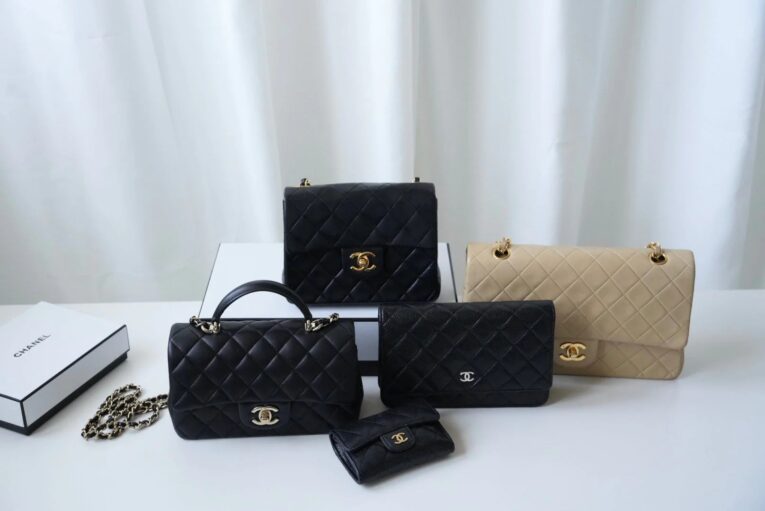
Know what you are looking for. Vintage Chanel spans decades, each with distinct characteristics. The 1980s–1990s bags are particularly prized for gold-plated hardware, heavier construction, and specific details like the Mademoiselle turnlock. Research the era, style, and features that appeal to you before shopping.
Verify authenticity through multiple lenses. While Japan’s market is generally reliable, counterfeits exist—particularly on peer-to-peer platforms. Professional retailers like Amore, QOO, and Lovintage have in-house authenticators and long-standing reputations. For purchases from individual sellers, consider using a third-party authentication service before finalizing.
Key authentication points include serial number sticker format and placement, hologram pattern and font, stamping inside the bag, hardware engravings, and stitch count and alignment.
Request detailed photos. Reputable sellers will provide high-resolution images showing the front, back, and bottom of the bag, interior lining and pockets, serial number sticker, hardware close-ups, and any flaws noted in the description. For higher-value purchases, consider requesting video or asking the seller to photograph the bag in natural light.
Understand what “Japan-sourced” actually means. A bag coming from Japan does not automatically guarantee authenticity. While licensed Japanese dealers must follow strict regulations, counterfeit goods can still enter the market through other channels. The safest approach is to buy from recognized dealers with proven track records.
Factor in all costs. When comparing prices, account for the bag price, domestic shipping within Japan (if purchasing from multiple sellers), international shipping (varies by carrier and speed), and customs duties and taxes (varies by country; check local thresholds).
How to Purchase with Rakufun
Many Japanese vintage Chanel sellers do not offer direct international shipping. Rakufun is a proxy shopping platform that bridges this gap. Available as both a website and a mobile app, it connects you with Japanese marketplaces and stores, handling domestic purchases and international shipping. The platform charges 0% purchasing fees—you pay only for items and shipping.
Step 1: Find Your Bag
You have two ways to search:
-
Direct Search: Use Rakufun’s built-in search to browse items from partnered platforms like Mercari, Rakuma, and Surugaya. Search by “Chanel vintage,” “Chanel バッグ,” or specific model names.
-
Link2Buy Method: If you find a Chanel bag on a Japanese website that does not ship internationally—copy the product URL and paste it into Rakufun’s Link2Buy tool. The system will populate product details, allowing you to confirm price and specifications before ordering.
Step 2: Place Your Order
Add the bag to your cart and check out. Pay for the bag and any domestic shipping fees. Rakufun handles the purchase using their local Japanese address and payment methods.
Step 3: Consolidate Multiple Items
If you are purchasing from multiple sellers or adding other items to your shipment, take advantage of 90-days free warehouse storage. Rakufun holds your items, and once everything arrives, you can combine them into one shipment. This reduces international shipping costs compared to sending items individually.
Step 4: Choose Shipping and Receive
Select your preferred international shipping method—economical sea mail for larger packages or express services like DHL or EMS for faster delivery. Rakufun repacks items carefully and ships them to your address.
Final Thoughts
Buying vintage Chanel from Japan offers access to well-preserved pieces, rare models, and a market with rigorous standards. The combination of careful Japanese ownership and a mature second-hand infrastructure means that bags that have become scarce elsewhere are often still available here.
The key is knowing what to look for—whether it is a Classic Flap with 24K gold-plated hardware, a seasonal color that never saw wide release, or a limited-edition piece from an anniversary collection. And it is knowing where to look—whether that is a dedicated retailer like Amore, a major chain like Komehyo, or a marketplace like Mercari for those willing to search more widely.
With Rakufun, the barriers of language, payment, and international shipping are manageable. The platform allows you to access the full range of Japanese vintage Chanel sellers, from established boutiques to individual listings, and bring your find home with transparency.
Have you bought vintage Chanel from Japan? What pieces are you hunting for? Sharing experiences helps others navigate the market as well.
Rakufun simplifies Japanese proxy shopping and global shipping, your all-in-one app for a seamless, fee-free experience:https://blog.rakufun.com/how-to-buy-vintage-chanel-from-japan/