
1. HOME > Collections & Figures > Articles

When Tradition Meets Pop Culture: Exploring Japan’s Limited-Edition Collaborations
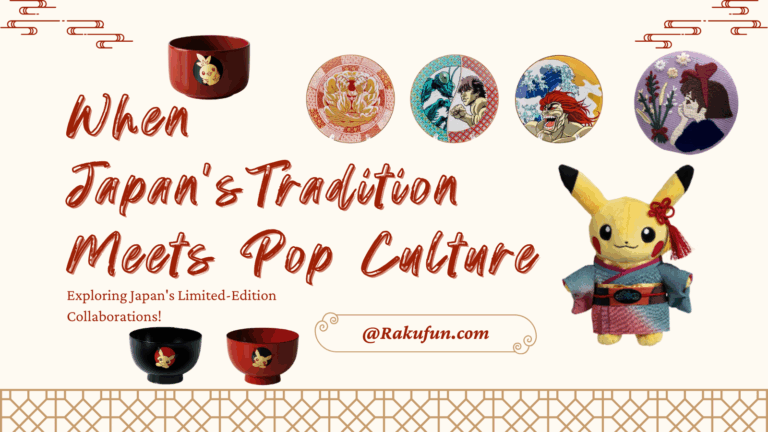
           
In Japan, a fascinating cultural synergy emerges when centuries-old craftsmanship intersects with modern pop culture. Traditional artisans are increasingly collaborating with iconic entertainment franchises like Nintendo, Studio Ghibli, and Pokémon to create limited-edition items that resonate with both collectors and cultural enthusiasts. These collaborations—such as Nintendo x Arita-yaki porcelain ware or Pokémon x Koginem broidery—are not mere merchandise but artistic reinterpretations that infuse contemporary narratives into time-honored techniques. For global audiences, acquiring these pieces symbolizes a connection to Japan’s cultural heritage while celebrating beloved characters. However, their limited availability and regional exclusivity often pose challenges for international buyers. This article delves into the stories behind these collaborations, highlights standout products, and explains how platforms like Rakufun​ simplify access through dedicated Japanese proxy shopping​ services.

The Cultural Significance: Bridging Heritage and Modernity
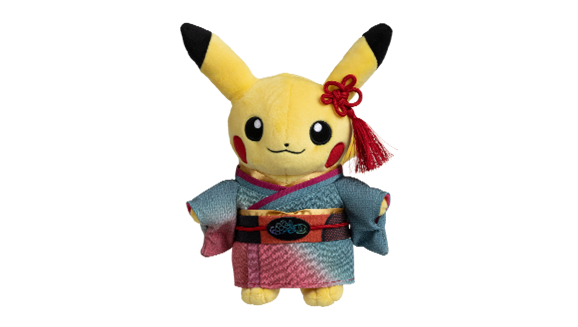
These collaborations serve a dual purpose: preserving traditional crafts while introducing them to younger generations. In regions like Shizuoka and Ishikawa, where techniques like Shibori dyeing or Kutani porcelain have thrived for centuries, declining local interest threatens their survival. By partnering with global IPs, artisans attract new audiences who might otherwise overlook traditional art forms. For example, the Crafts Shizuoka project partners local metalworkers and bamboo artisans with designers to create jewelry inspired by anime aesthetics, transforming functional items into collectible art . Similarly, the Pokémon x Kogin embroidery series reimagines Pikachu and Eevee using kogin patterns from Northern Japan, a stitching technique historically used to reinforce farming clothing. This fusion not only honors rural traditions but also positions them as contemporary fashion statements.
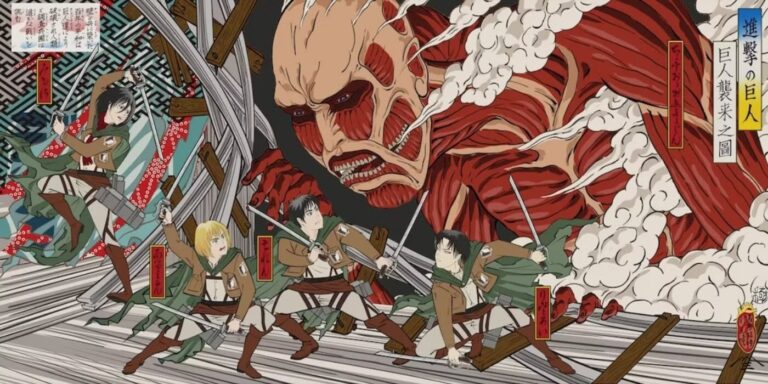
The emotional appeal lies in the storytelling. When Attack on Titan characters are recreated as ukiyo-ewood block prints, they echo the heroic themes of Edo-period art while resonating with modern fans. These pieces often incorporate materials with deep cultural roots, such as Echizen washi paper crafted by Living National Treasure Ichibei Iwano, ensuring authenticity and quality . For buyers, owning such items represents participation in a cultural legacy—one where pop culture becomes a vehicle for sustaining heritage.

Notable Collaborations: Where Craftsmanship Meets Imagination

  1. Attack on Titan x Ukiyo-e Woodblock Prints
    This project merges Attack on Titan with the style of Utagawa Kuniyoshi, a 19th-century ukiyo-e master known for mythological themes. Each print depicts characters like Eren and Mikasa confronting Titans in dynamic compositions reminiscent of Kuniyoshi’s Takiyasha the Witch and the Skeleton Spectre. The prints use traditional Echizen Kizuki Bosho paper and involve a painstaking process: the painter (Ken Shiozaki) drafts the design, the carver (Shoichi Kitamura) prepares separate woodblocks for each color, and the printer (Makoto Nakayama) layers pigments by hand. Limited to 100 copies globally, these works highlight the labor-intensive nature of woodblock printing while recontextualizing a modern saga through a historical lens.
  2. Pokémon x Traditional Ceramics and Lacquerware
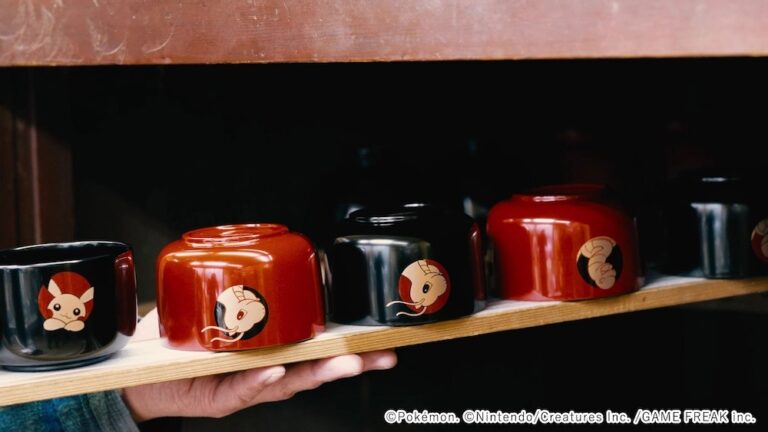
    In an exhibition titled Pokémon and Crafts, artists recreated Pokémon using techniques like Shigaraki-yaki pottery and urushi lacquer. A Charizard ceramic jar, for example, was molded using tebineri(hand-pinching) methods, with its fiery tail glazed in vibrant aka-e(red enamel) . Another piece, an Unown tea caddy, features raden(mother-of-pearl inlay) against a black lacquer background, with golden Pokémon motifs evoking the luxury of Edo-period lacquer ware . These works showcase the versatility of traditional materials while appealing to Pokémon’s multi generational fandom.
  3. Baki x Kutani Ware Tableware
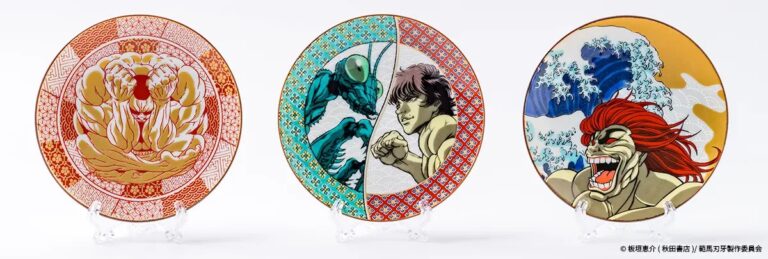
    The martial arts anime Baki inspired a series of Kutani-yaki plates, a porcelain style recognized as an intangible cultural property. Each plate features characters like Baki Hanmaor Yujiro Hanma painted in Kutani’s signature palette—vivid greens, blues, and yellows layered thickly to create a glass-like luster. The designs incorporate natural motifs (e.g., waves or mantises) that align with both the anime’s themes and Kutani’s traditional emphasis on nature . By transforming functional tableware into narrative art, this collaboration bridges utilitarian craft and fandom culture.
  4. Studio Ghibli x Kogin Embroidery
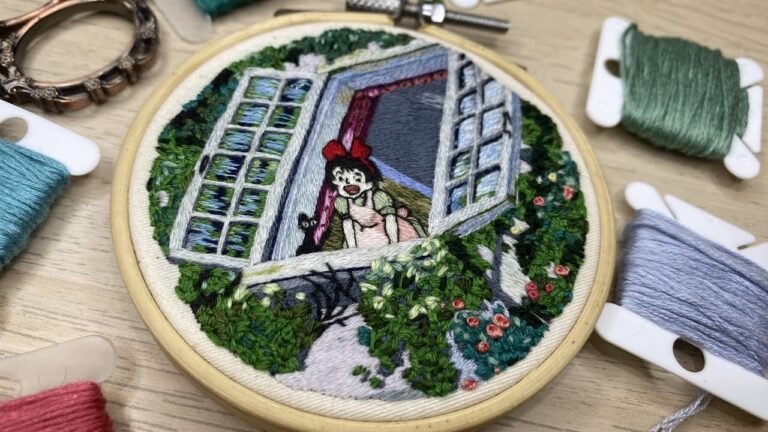
    Kogin, a cotton-stitching technique from Aomori Prefecture, has been adapted to portray My Neighbor Totoro and Spirited Away characters. Artisans use geometric kogin patterns to render Totoro’s fur or No-Face’s mask, stitching onto indigo-dyed fabric for contrast. The embroidery, historically employed to reinforce clothing, now adorns pouches and frames, merging rustic charm with whimsical storytelling . Such pieces reflect kogin’s revival as a sustainable craft, appealing to enthusiasts of both Japanese textiles and animation.
The Artisans’ Perspective: Innovation Within Tradition
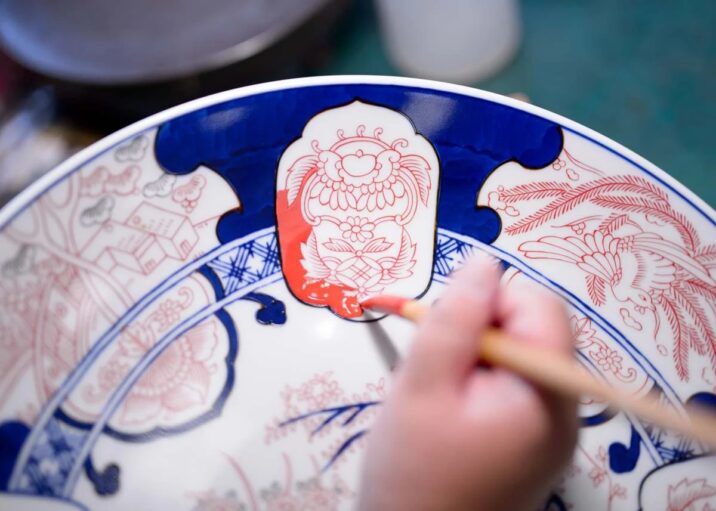
For craftspeople, these collaborations represent both a creative challenge and an economic opportunity. Kazuki Tabata, a Shibori artist in Kyoto, notes that partnering with brands like Cos allows him to experiment with patterns like the hexagonal sekka motif, which dates to the Heian period . Similarly, Seiko’s Presage watch collection incorporates dials made by Arita porcelain artisans, requiring years of prototyping to achieve micron-level precision suitable for watches . Such projects demand mutual adaptation: artisans learn to work with new formats (e.g., watch dials or wearable tech), while IP holders gain insight into ancestral methods. The result is a product that respects tradition without being constrained by it.

Why These Items Are So Sought After

Limited production runs are a key factor. For instance, the Attack on Titan ukiyo-e prints are capped at 100 globally, while Seiko’s lacquer-dial watches are often limited to 500–1,000 pieces . Scarcity is compounded by the involvement of esteemed artisans; works involving Living National Treasuresor Designated Master Craftsmen carry added prestige. Additionally, these items often serve as educational tools—each purchase includes explanations of techniques like Shiborior Kutani, fostering appreciation for the craft itself. For collectors, ownership is both an emotional investment in beloved stories and a tangible piece of cultural heritage.

How to Acquire These Collaborations via Rakufun

International buyers face hurdles like language barriers, regional shipping restrictions, and the need for authentication. Rakufun, a Japanese proxy shopping​ platform, addresses these issues through integrated services:
  1. Direct Store Access: Rakufun partners with Japanese marketplaces (e.g., MercariSurugaya) and official brand stores, offering real-time inventory updates with auto-translated product details.
  2. Seamless Purchasing: Users browse items like Ghibli kogin embroidery or Baki plates, add them to their cart, and checkout without purchasing fees. Rakufun handles payments and domestic logistics.
  3. Global Shipping: Items are shipped to Rakufun’s warehouse, consolidated to reduce costs, and dispatched internationally with tracking. The platform specializes in fragile items, using protective packaging for ceramics or lacquerware.

Conclusion: Embracing Cultural Fusion Through Thoughtful Collecting
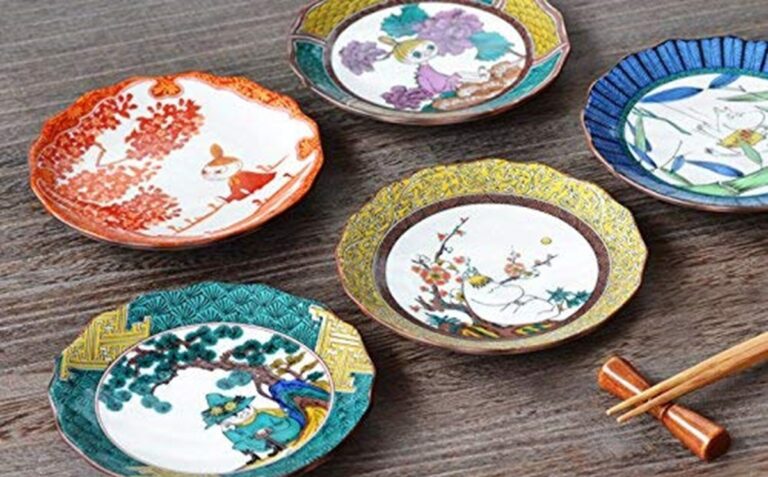
Japan’s tradition-meets-pop collaborations are more than fleeting trends—they are dynamic acts of cultural preservation. By integrating modern stories into ancient techniques, they ensure that crafts like ukiyo-eor Kutani remain relevant in a globalized world. For enthusiasts, platforms like Rakufun​ democratize access, allowing anyone to own a piece of this creative dialogue. As these partnerships evolve, they will continue to surprise us—not just with their beauty, but with their power to connect generations across time and space.
To explore Rakufun’s curated selection of collaborative works, visit [www.rakufun.com].
Note: Limited editions often sell quickly. Check Rakufun’s platform for restock alerts and pre-order options.

Rakufun simplifies Japanese proxy shopping and global shipping, your all-in-one app for a seamless, fee-free experience:https://blog.rakufun.com/when-tradition-meets-pop-culture-exploring-japans-limited-edition-collaborations/


联系我们

在线咨询:点击这里给我发消息

微信号:

工作日:9:30-18:30,节假日休息